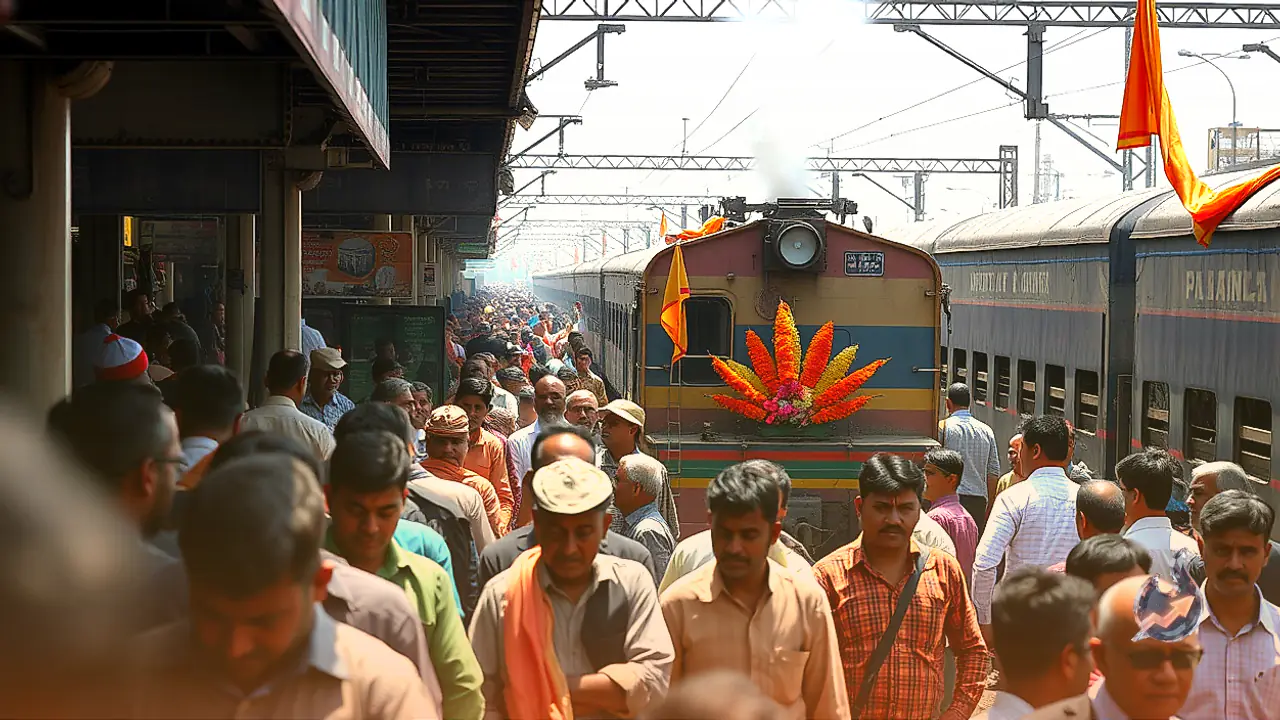

















Few dance tunes in South Asian pop culture have displayed the staying power of the upbeat anthem Hawa Hawa. Originally recorded by Pakistani singer Hassan Jahangir, the track has crossed geographical frontiers, language barriers, and generational divides to find recurring life inside Indian mainstream cinema. When Sanjay Dutt made his dramatic entrance on cinema screens in the 2025 action vehicle Dhurandhar, the familiar, pulsing cadence of the track instantly triggered massive applause across packed auditoriums. The journey of how an infectious rhythm travelled across borders to become a permanent fixture of popular culture highlights a remarkable chapter in musical history.
The Iranian Roots and South Asian Breakthrough
Long before it became an Urdu pop phenomenon, the core melody originated in Iran during the 1970s. Persian rock pioneer Kourosh Yaghmaei composed and performed Havar Havar, establishing the energetic acoustic template and rhythmic drive that defined the composition. Drawing directly from that Persian melody, Hassan Jahangir recorded his Urdu rendition in 1987 under the title Hawa Hawa. Opening with the lyrics 'Hawa Hawa Ae Hawa, Khushboo Luta De', which translates into an invocation for the blowing wind to scatter sweet fragrance all around, the song captured instant attention through its brisk percussion and engaging chorus.
Reflecting on the track, Jahangir noted that the central tune carries a magnetic, universal pull capable of touching listeners across varied cultural traditions. Even in its early Persian form, audiences unfamiliar with the spoken language found themselves drawn in by its hypnotic rhythm and dynamic tempo. Transitioning from Persian to Urdu allowed the song to sweep across the wider South Asian subcontinent, achieving massive airplay in Pakistan, India, and Bangladesh. Jahangir's music album achieved strong popularity in India, where radio stations kept the track in relentless rotation.
Early Bollywood Reinterpretations in the Late 1980s and 1990s
Recognising the runaway success of the rhythm, commercial Hindi cinema quickly began adapting its cadence. In the 1989 action drama Billoo Badshah, actor Govinda informally borrowed the track's driving musical arrangement for his self-sung number Jawan Jawan Ishq Jawan. During the very same year, veteran composer Bappi Lahiri fashioned Aaya Aaya Pyar Aaya for the film Aag Ka Gola, mirroring the signature cadence in a dance sequence featuring Sunny Deol, Archana Puran Singh, and Prem Chopra.
Authentic ties between the Pakistani pop star and Mumbai studios deepened in 1994 with the release of Insaaf Apne Lahoo Se. The action project featured Sanjay Dutt in a pivotal role and incorporated Hawa Hawa directly under its original title, bringing Jahangir on board to deliver the vocals himself. That marked the initial pairing between the actor's cinematic presence and the high-energy musical track.
Modern Adaptations and Dhurandhar's Big-Screen Impact
The dawn of new production techniques in the twenty-first century did not diminish interest in the vintage tune. Director Sanjay Chel's 2012 caper Chaalis Chauraasi featured a remake of the classic. Five years later, in 2017, the track received a high-profile commercial facelift for the ensemble comedy Mubarakan. Promoted as a prime single, the reworked track retained the original hook line while introducing fresh verses. Singer Mika Singh provided vocals for this modern cut, which was visualised on actors Arjun Kapoor and Ileana D'Cruz.
The composition reached another major theatrical milestone in the 2025 box-office hit Dhurandhar. Sanjay Dutt once again stepped into the spotlight to the sound of Hawa Hawa, this time during his grand introduction sequence as police officer SP Choudhary Aslam Khan. Addressing the recent adaptation, Jahangir confirmed that the creative team adhered to standard licensing protocols. The Pakistani vocalist disclosed that the film's producers sought formal approval and compensated him with a payment of 50,000 dollars for the rights.