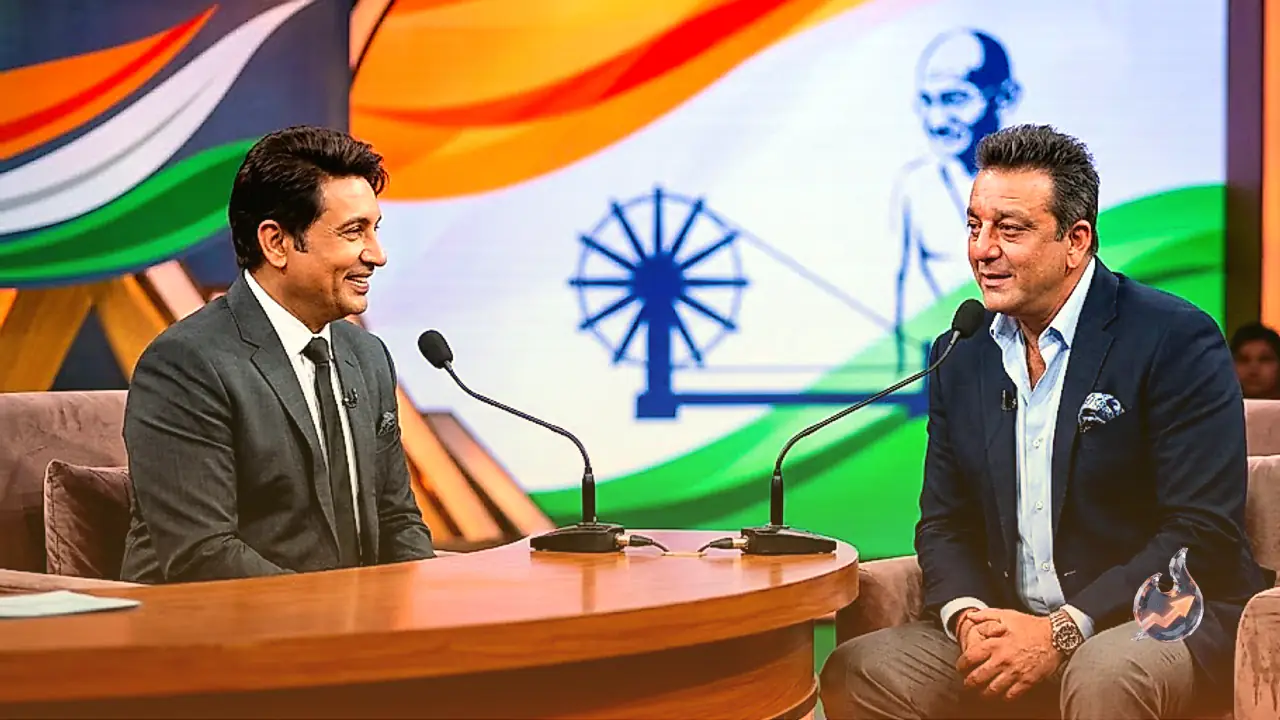



















Filmmaker Kiran Rao has long been recognized for bringing evolving societal patterns and human relationships to the screen through a distinct, nuanced lens. Across her cinematic journey, her narratives frequently mirror contemporary mindsets, individual independence, and shifting attitudes toward interpersonal bonds. During promotional interactions for Lust Stories 3, Rao delved into how modern young adults approach romance, noting a substantial generational shift between her own formative years and the reality of modern youth.
Freedom of Expression Rather Than Carelessness
When asked about the perception that young characters in her stories appear somewhat detached or casual toward commitment, and how she evaluates that mindset both as a director and as an individual, Rao firmly contested the premise of recklessness. She explained that what many mistake for nonchalance is actually an authentic sense of personal agency and an ability to articulate feelings without hesitation.
Reflecting on societal expectations across different eras, Rao noted, “During our generation, people were expected to conform to very specific templates of relationships. Today, the world has fundamentally shifted, and people no longer view relationships through that traditional framework.” She emphasized that modern youth are significantly more transparent about expressing who they are and choosing relationships entirely on their own terms.
Personal Agency Shaping Modern Storylines
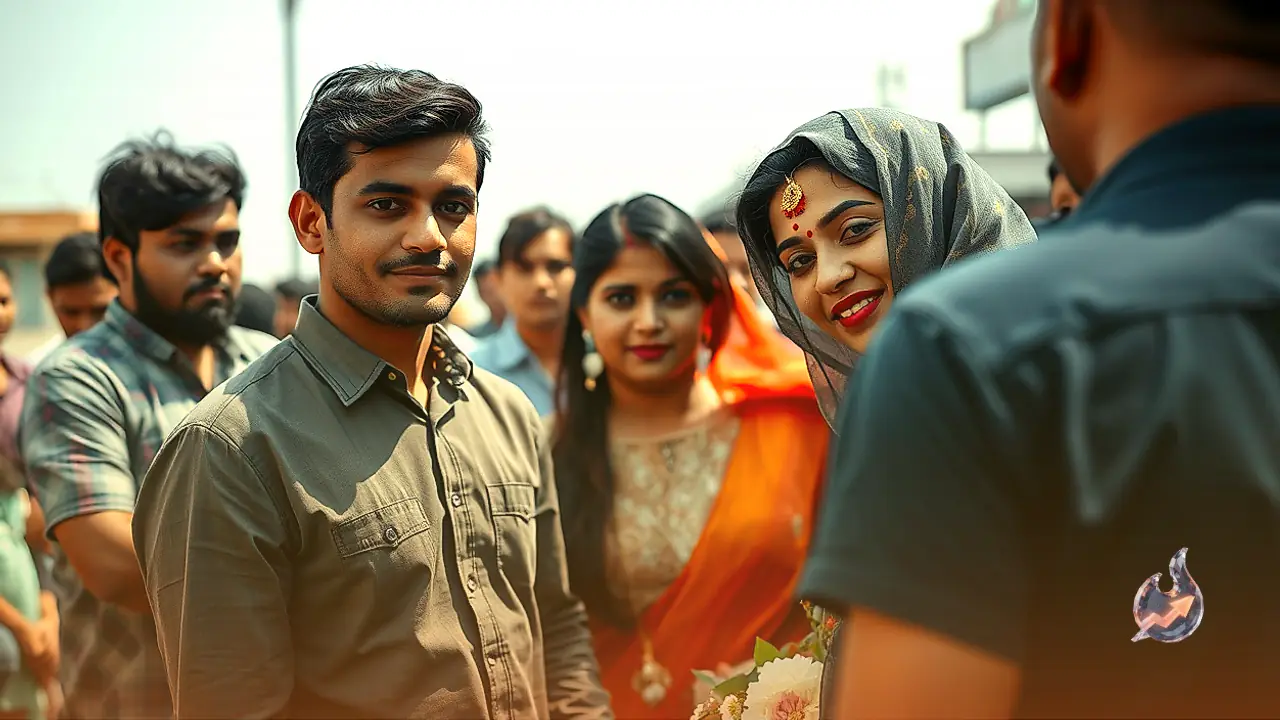
Rao pointed out that today's youth exhibit a degree of inner autonomy that allows them to acknowledge their emotional and physical desires with unprecedented clarity. This very cultural evolution forms the emotional core of her latest narrative. She shared that her segment revolves around two unattached young individuals who experience mutual attraction.
The narrative explores the dynamic of what unfolds when autonomous individuals make choices driven by personal preference rather than societal obligations. As they navigate the fallout and evolution of those mutual decisions, the human dimension of modern connection comes to life, providing both tension and narrative depth.
Reevaluating Marriage as an Absolute Prerequisite
Drawing a direct comparison with her own generation, Rao highlighted how fundamentally the concept of companionship has transformed. In earlier decades, deep emotional intimacy and physical closeness were considered socially acceptable almost exclusively within the confines of marriage between a husband and wife. In contrast, modern relationships are no longer constrained by that single milestone.
Explaining this evolution, Rao remarked, “Today, people can form deep, resilient bonds with someone even before marriage.” She noted that couples today can share profound emotional alignment alongside a physical relationship without viewing marriage as an indispensable requirement. In her assessment, this willingness to separate genuine intimacy from formal institutional structures is the defining factor distinguishing modern society from earlier times.
A Cultural Mirror Beyond Traditional Romance
Elaborating on her artistic vision, Rao explained that she deliberately situated her story within this shifting cultural landscape. Her intention was to capture the vibrancy of younger generations, their quest for autonomy, and their pragmatic outlook on companionship.
For Rao, the project transcends the conventions of a typical romantic tale. She views it as an honest reflection of an era where young people navigate their personal choices, desires, and romantic partnerships with far greater authenticity and self-assurance than ever before.