



















Indian cinema has celebrated Kishore Kumar not only as an extraordinary vocal genius but also as an artist who lived life entirely on his own terms. During the turbulent Emergency years between 1975 and 1977, the celebrated playback icon found himself directly at loggerheads with authority. His refusal to blindly fall in line with a bureaucratic diktat resulted in an immediate clampdown on his music across state-controlled networks, cementing his stature as a creator who placed dignity far above political patronage.
A Memorable Television Revelation by Amit Kumar
The details surrounding this high-profile stand-off were recounted years later by the singer's son, Amit Kumar, during an appearance on television comedy platform The Kapil Sharma Show. According to Amit Kumar, his father was operating at the absolute zenith of his career during that era. His distinctive voice was the most sought-after asset for film composers across Mumbai, making his commercial dominance unquestionable at the exact moment state functionaries sought to command his attendance.
The Abrupt Delhi Call and an Uncompromising Reply
Amit Kumar explained that the confrontation began with an unexpected phone call originating from a government ministry in Delhi. An official contacted Kishore Kumar, instructing him to pack his bags and travel to the capital without delay. The bureaucrat informed him that travel tickets were being arranged so he could board a flight the following morning, intending to have him perform at a specially organised concert scheduled for the very next day.
Rather than quietly acquiescing to the abrupt demand, Kishore Kumar stood his ground. He laid down a firm condition, insisting that the authority must first send a representative to discuss the matter in person before he would even contemplate travelling. Standing by his self-respect, he explicitly remarked that he would not travel under such commands even if the Almighty himself arrived to insist. The unyielding response reportedly infuriated the official handling the call.
Broadcast Blockade Imposed Within Two Hours
The institutional backlash was swift and decisive. Amit Kumar noted that within roughly two hours of the heated telephone exchange, an official ban was clamped on the legendary singer. State broadcasting machinery swung into action, pulling his entire catalogue off the airwaves on All India Radio and Doordarshan.
However, being wiped from official state media failed to make a dent in the vocalist's towering popularity. Millions of devoted fans continued celebrating his craft, ensuring that his box office and cassette dominance remained entirely untarnished. The broadcast restriction remained active until the Emergency era drew to a close, after which his recordings were restored to national airwaves. The episode stood as an enduring testament to his courage and unwavering conviction.
From 'Ziddi' to Timeless Masterpieces
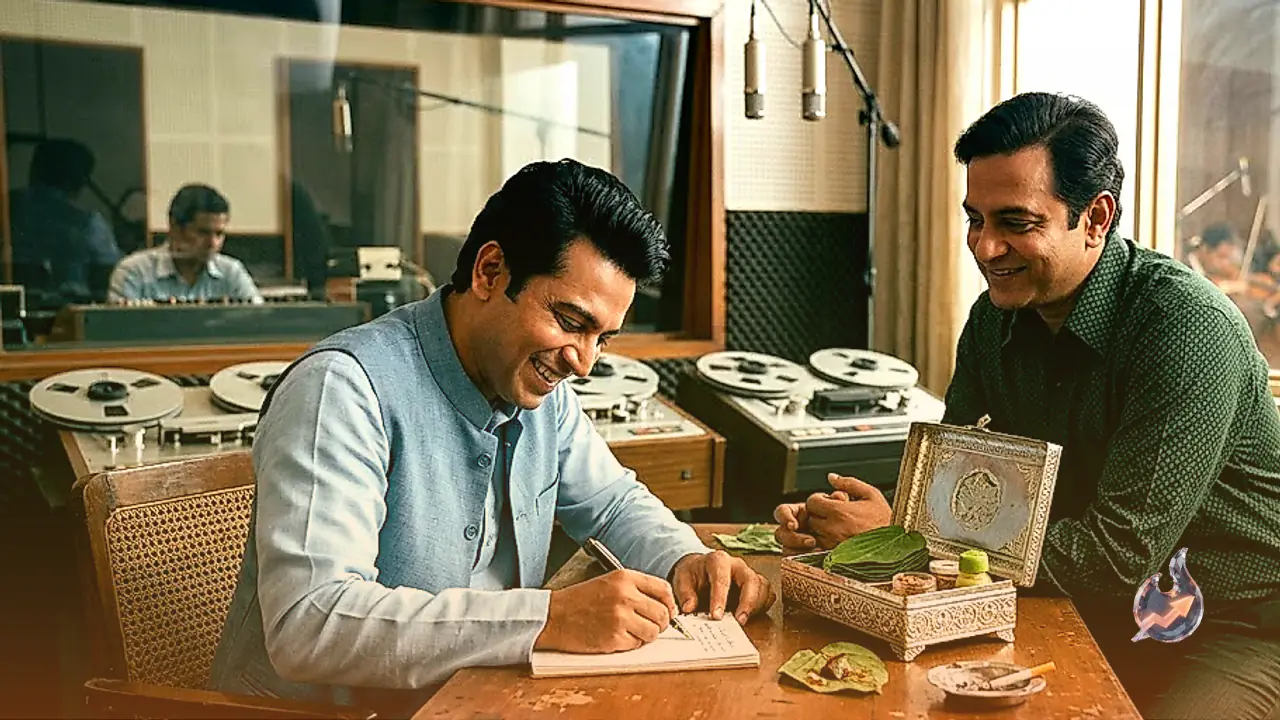
The foundation of Kishore Kumar's illustrious musical journey was set under equally memorable circumstances. Acclaimed music director Khemchand Prakash provided him with his initial breakthrough as a singer in the 1948 release 'Ziddi'. That stepping stone paved the way for decades of historic vocal performances across Indian cinema.
Over the years, he gifted listeners an unforgettable musical legacy featuring chartbusters such as 'Ek Ladki Bheegi Bhaagi Si', 'Mere Sapno Ki Rani', 'Yeh Shaam Mastani', and 'O Mere Dil Ke Chain'. Other classics like 'Humein Tumse Pyar Kitna', 'Pal Pal Dil Ke Paas', and 'Zindagi Ek Safar Hai Suhana' continue to enjoy enduring popularity across generations of music enthusiasts.