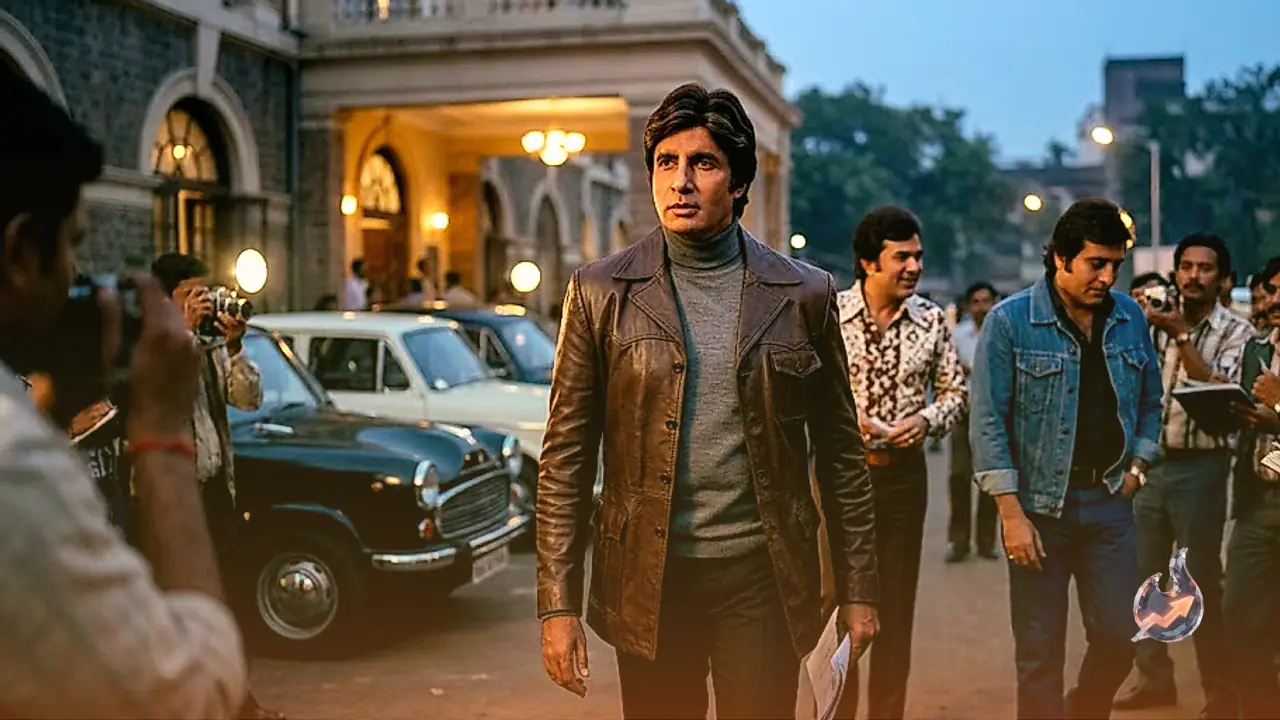
























Across the rich tapestry of Indian cinematic music, few melodies have captured the nuances of romantic devotion quite as vividly as the title track of the 1960 classic Chaudhvin Ka Chand. Even after 66 years, this evergreen masterpiece continues to occupy a treasured place among the finest romantic compositions ever produced in Hindi cinema. Directed by Guru Dutt, who also starred in the film alongside Waheeda Rehman, the song was shot with poetic intimacy, while Mohammed Rafi lent his velvety voice to make it an eternal favorite. Yet behind the seamless grace of the final recording lies an extraordinary story of creative tension, patience, and a humble craving for betel leaves that eventually unlocked a legendary lyric.
The Initial Conception and the First Creative Session
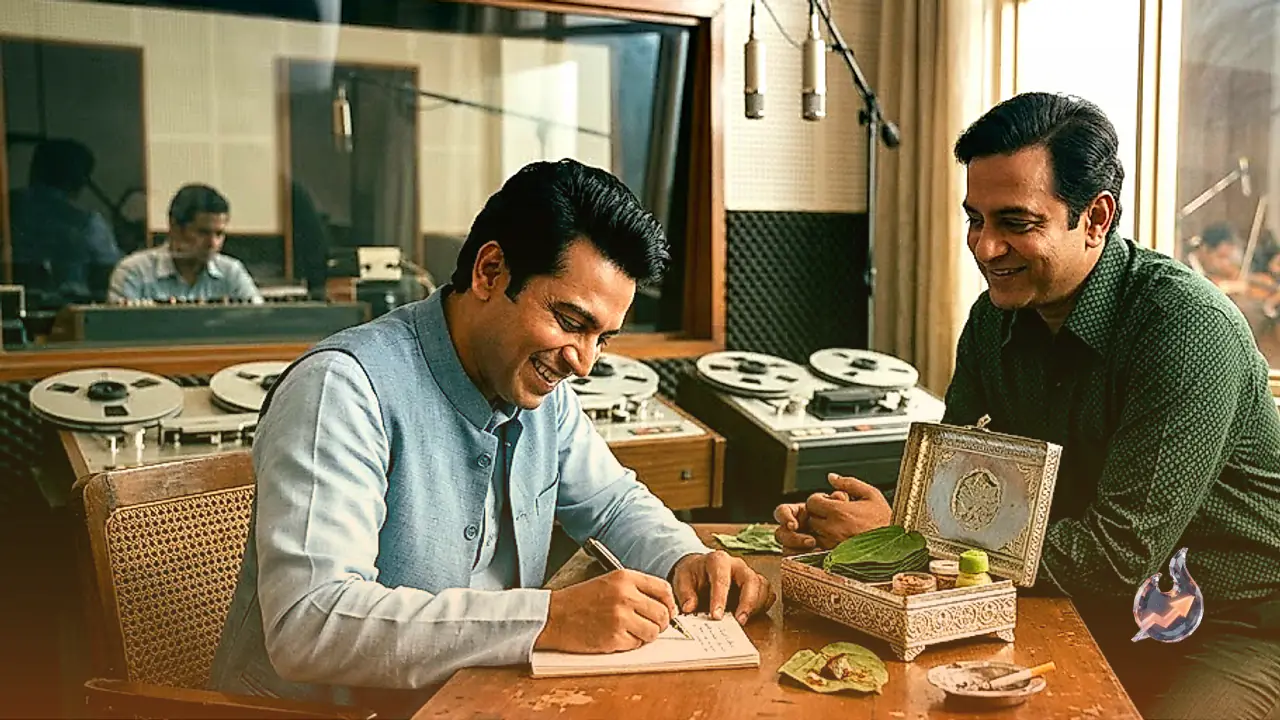
The genesis of this celebrated title track began when Guru Dutt sat down with music director Ravi to explain the emotional setting and visual demand of the sequence. Listening to the director's brief, a striking opening phrase formed inside Ravi's mind: Chaudhvin ka chand ho. Soon after, a formal sitting was arranged bringing together Guru Dutt, Ravi, and master lyricist Shakeel Badayuni. Ravi presented the initial phrase to Shakeel Badayuni, asking him to expand upon it and construct the full lyrical structure of the song. Without a moment's hesitation, Shakeel Badayuni matched it with the melodic counterpart ya aaftaab ho, instantly giving life to the first line of the mukhda. However, completing the couplet proved to be an entirely different challenge.
Hours of Deadlock and Scrapped Drafts
Despite the smooth beginning, the second line of the opening couplet refused to emerge with the depth and balance that the team demanded. Extensive discussions followed, but finding the exact emotional resonance turned into an arduous exercise. If Shakeel Badayuni felt satisfied with a particular poetic thought, music director Ravi voiced reservations. Whenever an alternative seemed workable musically, Guru Dutt remained unconvinced. The lyricist spent hours drafting fresh lines on paper, only to cross them out and discard them moments later. With no resolution in sight, Guru Dutt eventually called an end to the session and departed. Ravi and Shakeel Badayuni, however, chose to stay behind, with the composer determined to finish the piece that very day.
The Missing Ingredient and a Delivery from Home
In the quiet that followed Guru Dutt's departure, Ravi recalled a crucial personal detail about his collaborator: Shakeel Badayuni had an immense fondness for betel leaves, known as paan. It was well known that chewing paan often stimulated the poet's imagination, helping evocative thoughts and pristine metaphors flow freely. When Ravi inquired about his usual paan container, the lyricist sheepishly admitted that he had left it behind at home. Recognizing that the creative block might well be linked to this missing ritual, the music director promptly dispatched a person to Shakeel Badayuni's residence to retrieve the box. After a brief wait, the essential item was successfully brought back to the room.
A Breakthrough in Four Hours of Collaboration
The moment the flavor and aroma of the fresh paan revitalized Shakeel Badayuni, his poetic instincts were reignited with remarkable clarity. Turning to Ravi with immediate excitement, the lyricist announced that he had captured the exact sentiment they had spent hours searching for. Right then and there, the celebrated concluding line of the mukhda emerged: Jo bhi ho tum khuda ki kasam laajawaab ho. With the core foundation firmly in place, the creative barrier vanished, and within roughly four hours of focused effort, Ravi and Shakeel Badayuni finalized the entire composition. When Guru Dutt later listened to the completed work, he was thoroughly moved and delighted, setting the stage for Mohammed Rafi to record a vocal performance that remains unforgettable.