
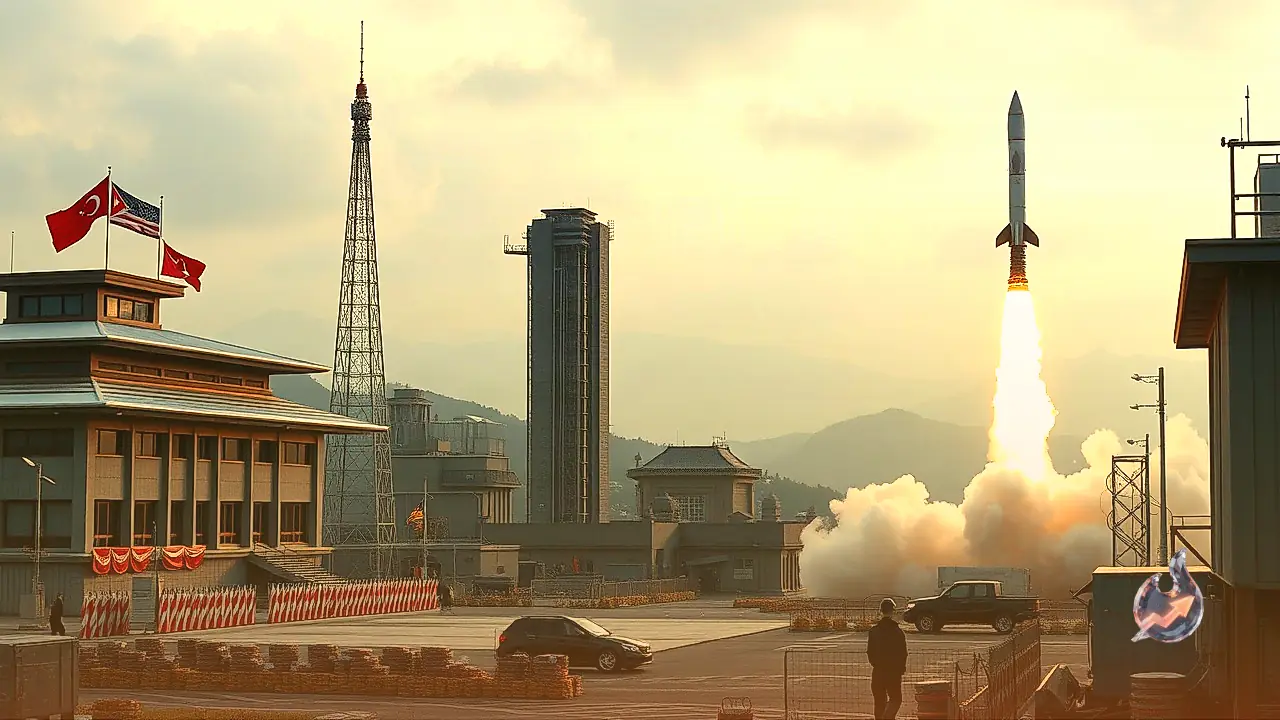






















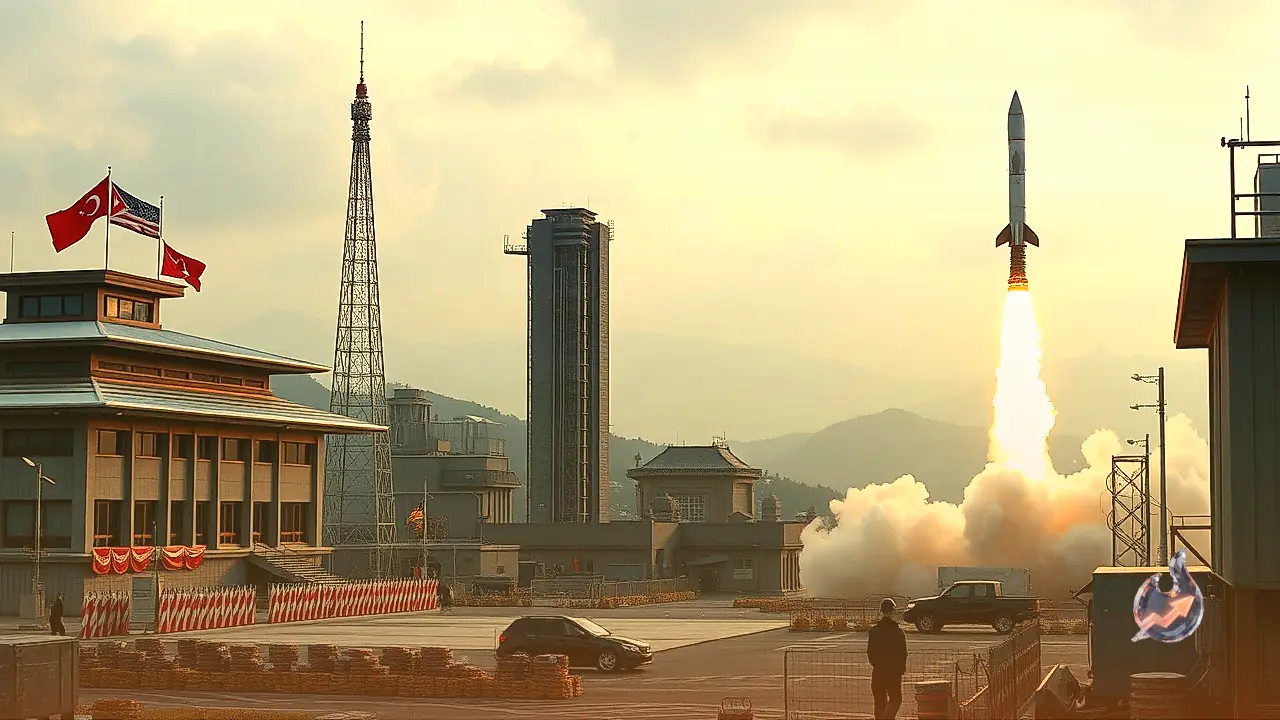

Tensions across the Korean Peninsula surged once again on Sunday following two successive projectile launches conducted by North Korea in rapid succession. The initial launch occurred around 3:00 PM from the eastern coastal district of Wonsan, sending a projectile flying across a distance of roughly 450 kilometers. A mere three hours following that first launch, authorities in Pyongyang fired another unidentified projectile, staging a dual demonstration of military hardware within a very tight operational window.
Assessment Points to Hwasong-11 Ballistic System
According to South Korea's Ministry of National Defense, the first projectile was assessed to be a short-range ballistic missile, commonly abbreviated as SRBM, fired toward the Sea of Japan, also known as the East Sea. South Korean defense analysts suspect the weapon may belong to North Korea's Hwasong-11 missile series. Ballistic weapons operate by ascending rapidly to high altitudes before following an arced trajectory back downward toward their designated impact zones. Militarily, short-range ballistic missiles are typically deployed to target nearby strategic locations, defense installations, and regional bases within operational range.
Impact Outside Japan's Exclusive Economic Zone
Defense authorities in Japan likewise classified the incoming launch as a ballistic missile. Official evaluations from Tokyo noted that the projectile traveled approximately 450 kilometers before landing in waters outside Japan's exclusive economic zone (EEZ). While the launch did not cause immediate damage to commercial maritime or aviation routes, it triggered heightened monitoring across regional tracking networks.
Subsequent Launch Triggers Trilateral Monitoring
Roughly three hours after the debut launch, North Korea carried out a second projectile test. Immediate technical data did not conclusively determine the exact model of this second weapon or the precise distance it covered over the sea. Should technical verification confirm this second weapon as a ballistic missile as well, it would establish that North Korea executed dual ballistic launches within an exceptionally narrow three-hour span. Military forces from both South Korea and the United States actively tracked both events in real time, coordinating operational telemetry and intelligence sharing with Japanese authorities.