



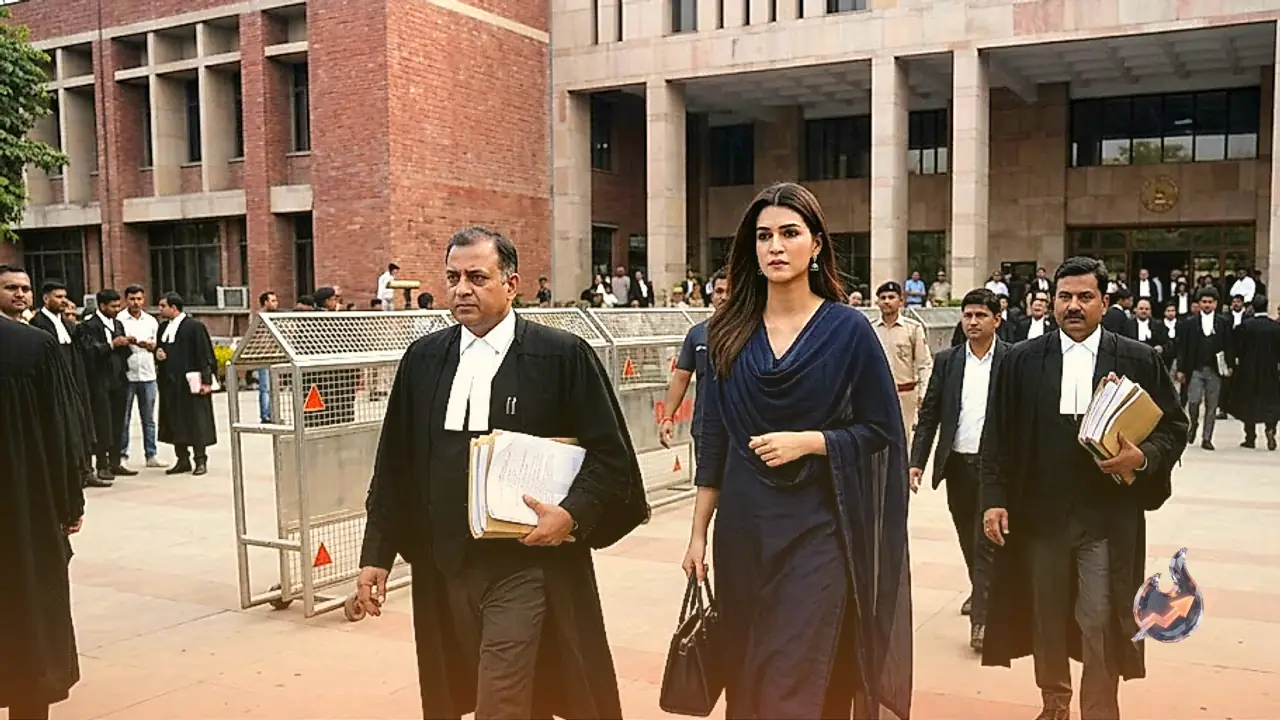
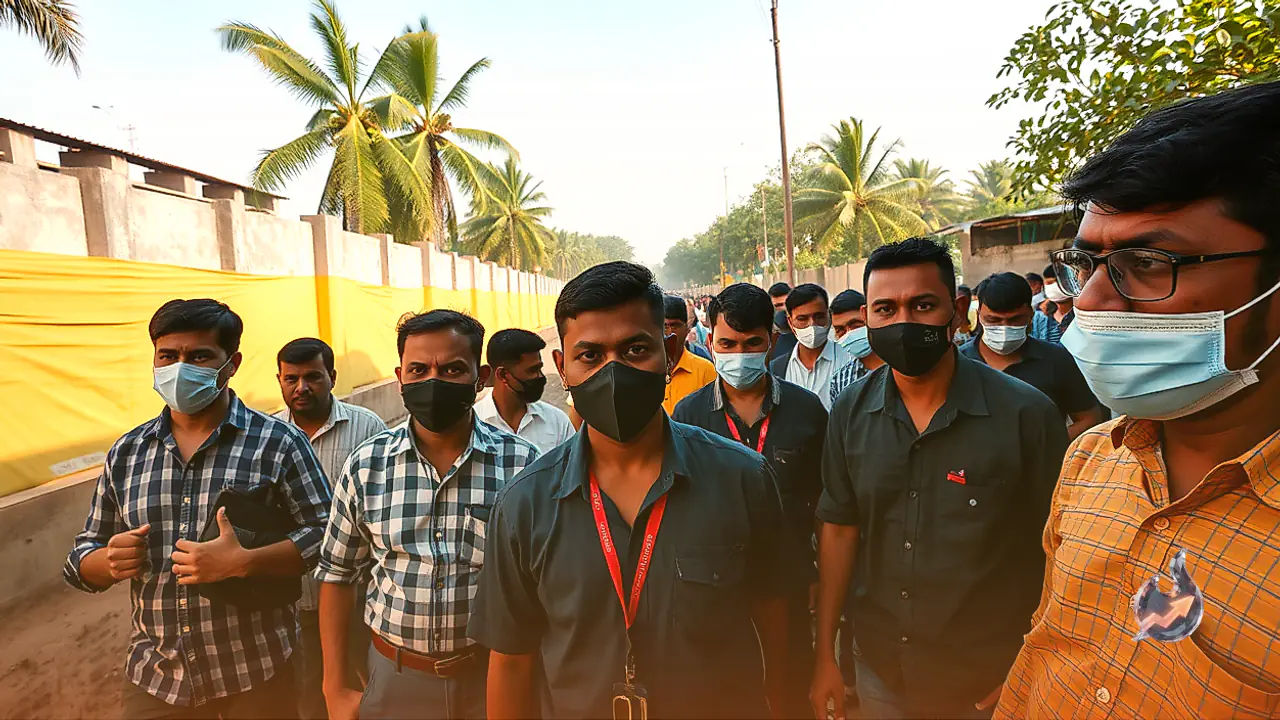














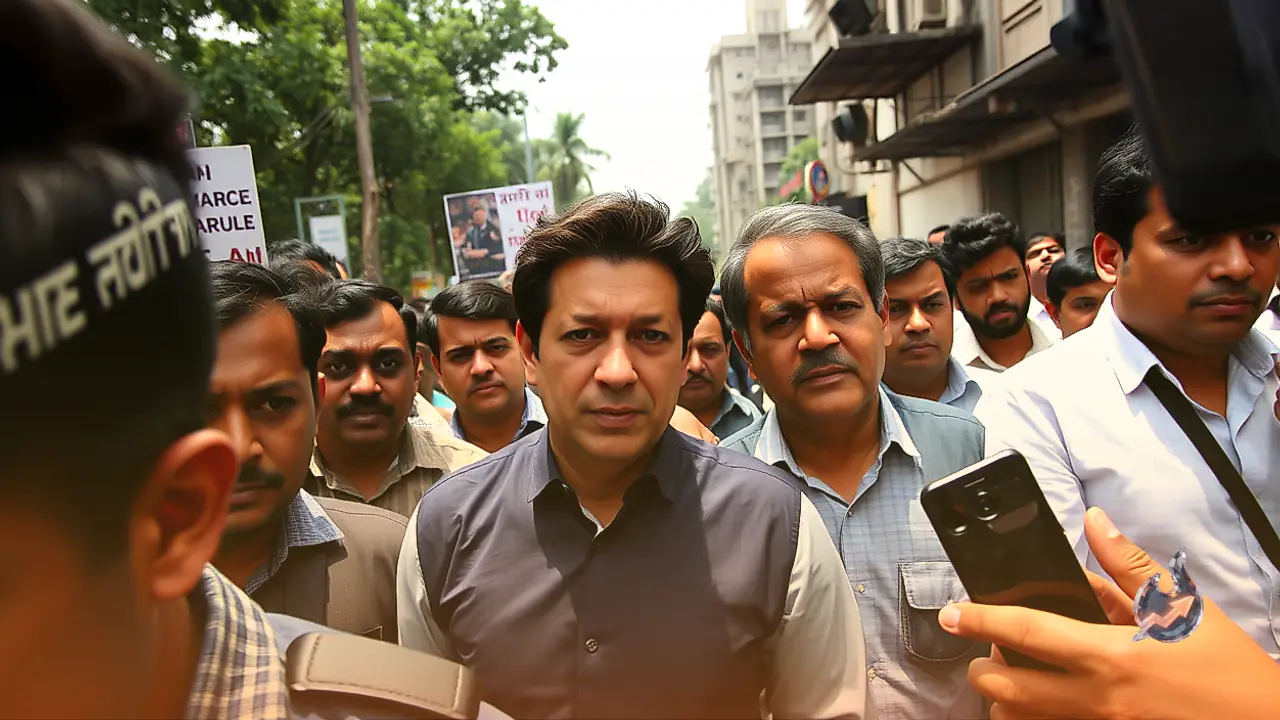

A high-profile controversy surrounding Bollywood actor Imran Khan has escalated following an official administrative directive asking him to leave India by October 28. The nephew of Aamir Khan, who holds United States citizenship alongside Overseas Citizen of India documentation, was served an exit notice by the Foreigners Regional Registration Office in connection with his presence at an anti-administration gathering targeting Chief Election Commissioner Gyanesh Kumar. In response, Khan's defense team has formally mounted a legal challenge, asserting that the actor never participated in the agitation and was solely commuting through the neighborhood when blocked by security barricades. The legal defense is now demanding the preservation and examination of municipal surveillance footage to prove his non-involvement.
Surveillance Footage Sought to Corroborate Nana Chowk Commute
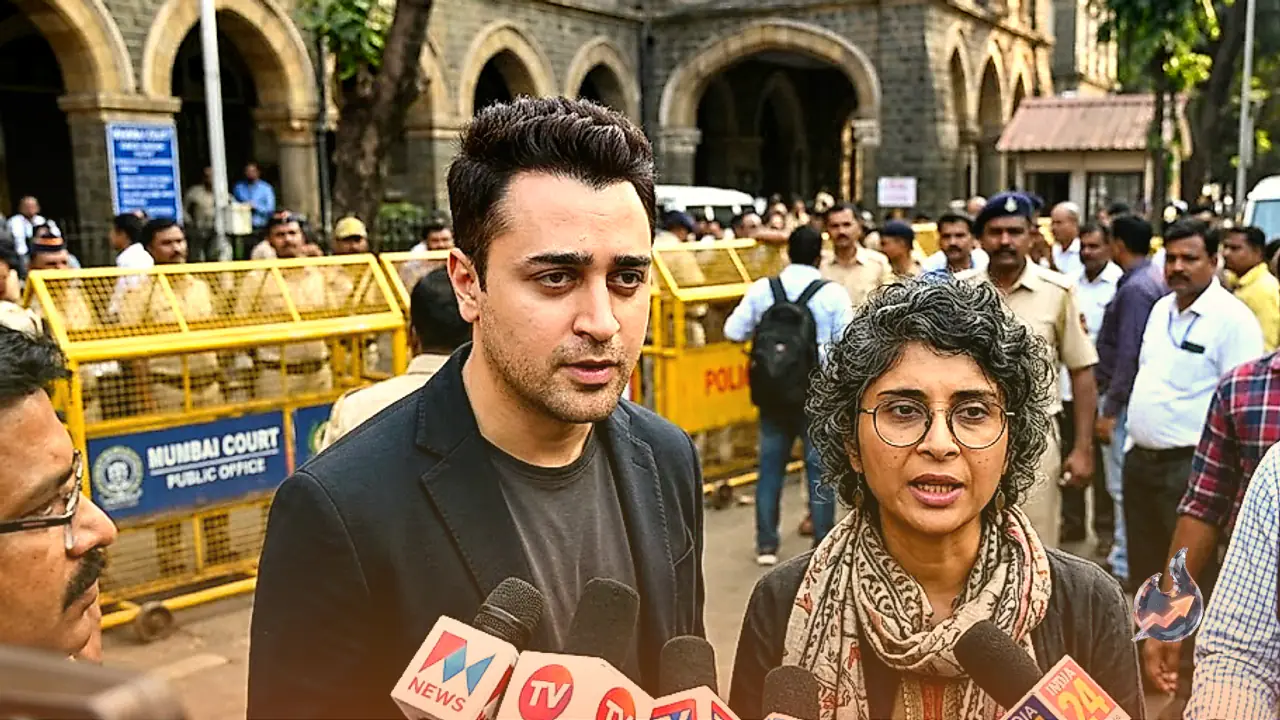
Advocate Zulfiquar Memon, representing Imran Khan, has rejected allegations that the actor actively took part in the assembly held near August Kranti Maidan. According to the defense attorneys, Khan was simply in transit through Nana Chowk when extensive police barricading obstructed regular vehicular and pedestrian movement. The resulting bottleneck left him halted in the area, which subsequently drew the attention of media crews covering the deployment. Memon maintained that examining neighborhood camera recordings would dispel all doubts about the actor's whereabouts and intent, noting that municipal footage would clearly establish the objective circumstances under which he found himself on the street that afternoon.
Preparations Underway to Petition the Bombay High Court
Armed with their version of events, Khan’s legal counsel is preparing an urgent petition before the Bombay High Court to challenge the validity of the deportation directive. The defense maintains that existing legal frameworks do not explicitly bar OCI cardholders from being present near or witnessing civic demonstrations. Conversely, the administration has signaled a stringent approach toward compliance. Maharashtra Minister of State for Home Yogesh Kadam remarked that overseas nationals visiting or residing within Indian territory are strictly bound by visa parameters and statutory obligations, warning that statutory statutes would apply whenever foreign visitors breach prescribed conditions.
The October 10 Demonstration at August Kranti Maidan
The genesis of the current dispute traces back to October 10, when members and supporters of the Cockroach Janata Party attempted to stage an agitation at Mumbai's historic August Kranti Maidan. Demonstrators were demanding the resignation of Chief Election Commissioner Gyanesh Kumar. Law enforcement officers intervened promptly to prevent unauthorized public gatherings, taking hundreds of individuals into preventive custody. Khan was detained alongside the crowd during this police operation and was later permitted to leave following procedural checks.
Media Remarks Prior to Detention and Van Picture
Prior to being escorted away by security personnel on October 10, Khan had spoken to reporters gathered at the perimeter. The actor remarked that he had stopped by in his capacity as a local resident and city dweller to observe why citizens faced restrictions on their movement and why their voices were being suppressed. Shortly after being placed in a police vehicle, he shared an image of himself from inside the van, adding a casual note suggesting it felt as though he was heading out on a drive.
Political Complaint and the Statutory Framework Under Scrutiny
The matter gathered significant momentum after Bharatiya Janata Party politician Kirit Somaiya raised strong objections regarding Khan’s presence at the protest site. Somaiya submitted a formal grievance to law enforcement officials, urging decisive regulatory action against the foreign national. Soon after, the Foreigners Regional Registration Office intervened directly by serving Khan the October 28 departure deadline. Because Khan holds American citizenship, his stay in the country is facilitated solely through the Overseas Citizen of India status, a registry that permits extended residency and travel rights under prescribed terms without conferring sovereign political citizenship. Foreigners within India remain governed by statutes including the Immigration and Foreigners Act, 2025, making the precise judicial interpretation of an OCI holder’s proximity to a political assembly a decisive legal question before the courts.