















In the annals of Indian cinema, Kamal Amrohi's 'Pakeezah' remains an unmatched cinematic jewel whose artistic radiance has endured for over five decades. When the film originally made its grand debut at Mumbai's Maratha Mandir theater nearly 54 years ago, its reels were carried to the venue inside a royal palanquin. That historic premiere was attended by director Kamal Amrohi, lead actress Meena Kumari, and a galaxy of leading Bollywood figures. While the film went on to achieve legendary status, bringing this lavishly crafted world to the screen required an arduous journey of nearly 15 years. Now, more than 50 years after its theatrical release, this timeless masterpiece is set to be experienced once again in pristine resolution.
World Premiere at Lumière Festival and International Screenings
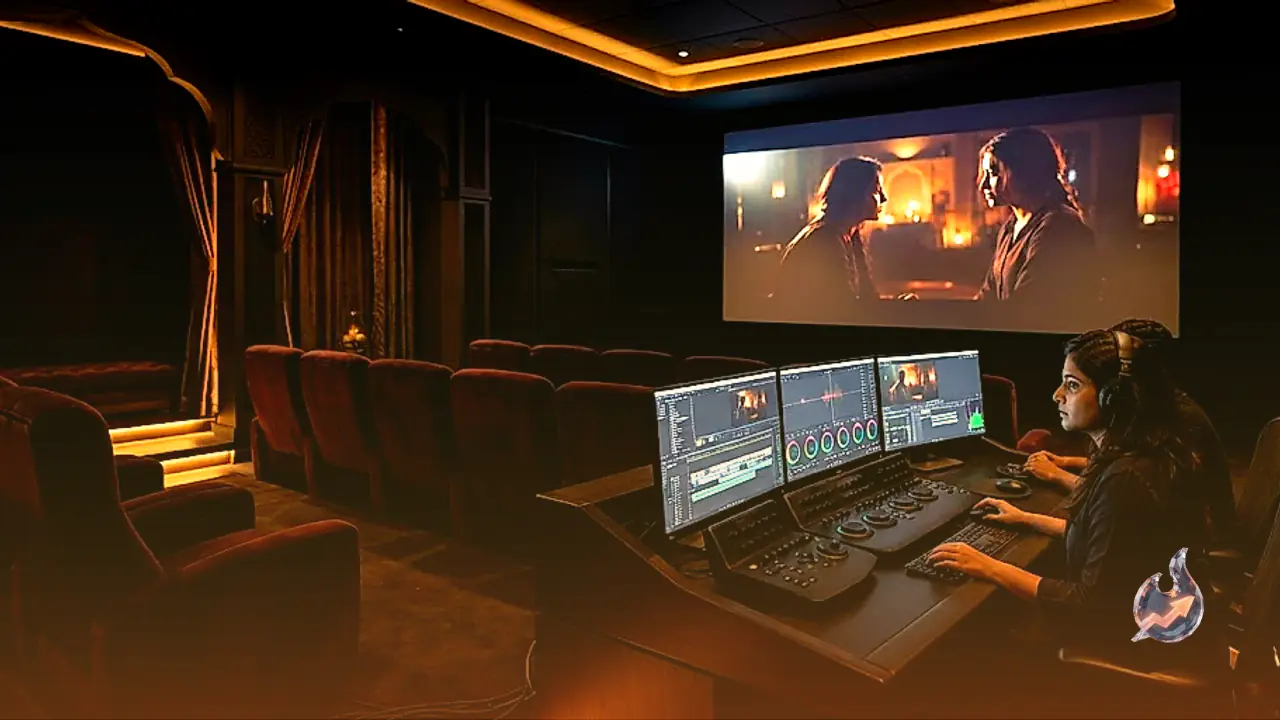
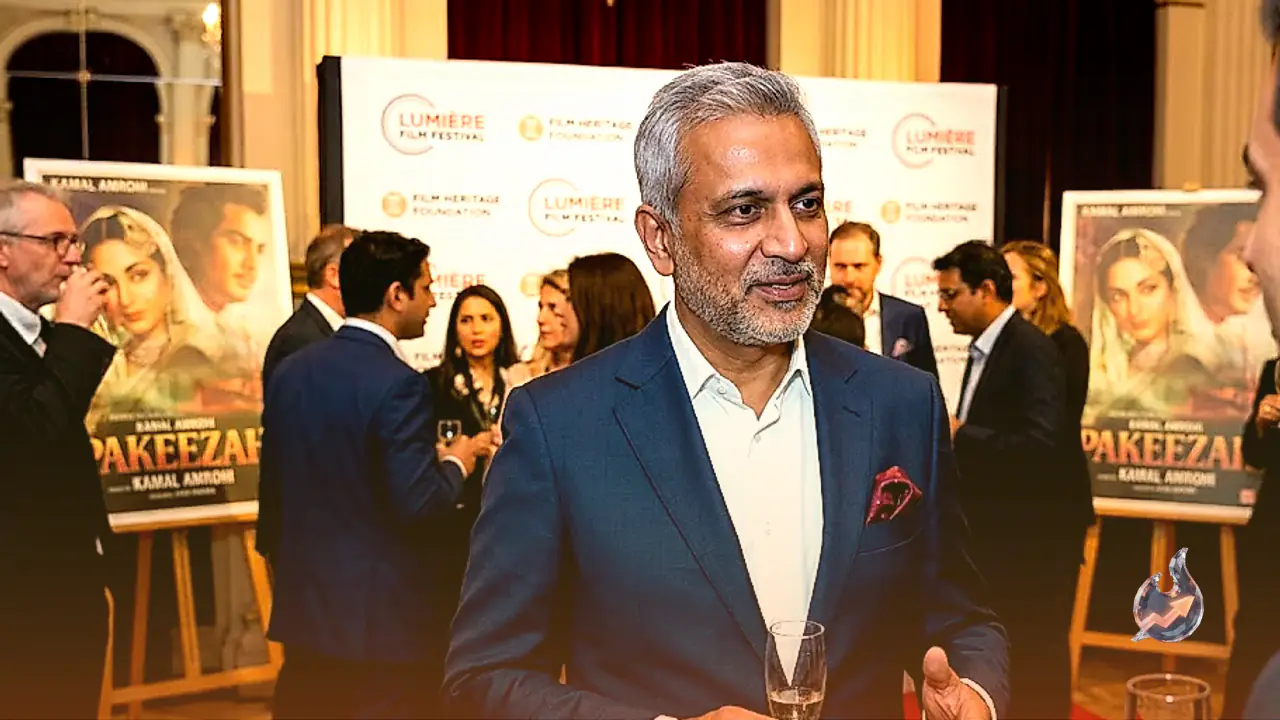
The Film Heritage Foundation (FHF) has officially completed a comprehensive 4K restoration of 'Pakeezah' following two years of meticulous preservation effort. Working with severely deteriorated original camera negatives and surviving vintage prints, archivists managed to carefully salvage its delicate lighting, vivid color palette, and visual textures. This newly restored 4K version will make its world premiere this October at the prestigious Lumière Festival in France. Following its French premiere, a special screening will also be hosted in London, granting international audiences an opportunity to witness the film in its original glory.
A 15-Year Journey: Production Delays and Personal Strain
The story behind the creation of 'Pakeezah' was marked by immense artistic determination as well as personal heartbreak. Initially conceived in the mid-1950s, Kamal Amrohi envisioned the project as a cinematic tribute to the ethereal beauty of his wife and muse, Meena Kumari. Set against the rich cultural backdrop of Lucknow's Nawabi era, the musical romantic drama featured Meena Kumari in her iconic role as the courtesan Sahibjaan, alongside actor Raaj Kumar in the lead role.
Principal photography commenced in 1956 in Black and White, but in 1958, the production transitioned to Eastmancolor to capture its opulent sets. However, progress slowed down dramatically due to multiple casting changes, script revisions, escalating budget constraints, and Amrohi's uncompromising attention to detail. In 1964, marital strain between Amrohi and Meena Kumari caused production to come to a complete halt. Four years later, in 1968, Meena Kumari was diagnosed with liver cirrhosis. It was only after actors Sunil Dutt and Nargis viewed early unedited footage of the film and urged her to complete her life's work that the project finally resumed production.
Tragic Losses Behind the Camera During Production
The prolonged production of 'Pakeezah' was beset by tragedy not only for its lead star but also among its core creative crew behind the lens. In 1967, legendary cinematographer Josef Wirsching passed away midway through shooting. To maintain a consistent visual language across the film, several of India's finest cinematographers stepped in sequentially to complete the remaining camerawork without compromising its distinct aesthetic.
Similarly, renowned music composer Ghulam Mohammed, who crafted the film's timeless soundtrack, passed away in 1968 before he could compose the background score. Following his demise, veteran composer Naushad took on the responsibility of composing the background score, ensuring that the film's auditory grandeur matched its visual richness.
From Melted Camera Negatives to a Masterful 4K Restoration
According to notes shared by the Film Heritage Foundation, 'Pakeezah' arrived in cinemas on 4 February 1972, at a moment when Indian cinema was shifting away from studio-bound Urdu melodramas toward high-octane action blockbusters. Tragically, Meena Kumari passed away shortly after on 31 March 1972. In the wake of her passing, audiences flooded theaters, turning the movie into a monumental box office phenomenon.
Restoring the film decades later posed extraordinary technical hurdles. FHF Director Shivendra Singh Dungarpur revealed that upon inspecting the original camera negative, the team discovered it had almost melted. Other available print materials were riddled with deep scratches, fungal growth, and severe color fading. Extensive archival research uncovered original reference photographs from the original shoot, which helped guide the color grading process. By synthesizing an Interpositive (IP) from Ramnord Lab, original CinemaScope prints, and a Color Reversal Internegative preserved by NFDC-NFAI, the restoration team successfully brought the classic back to life.