



















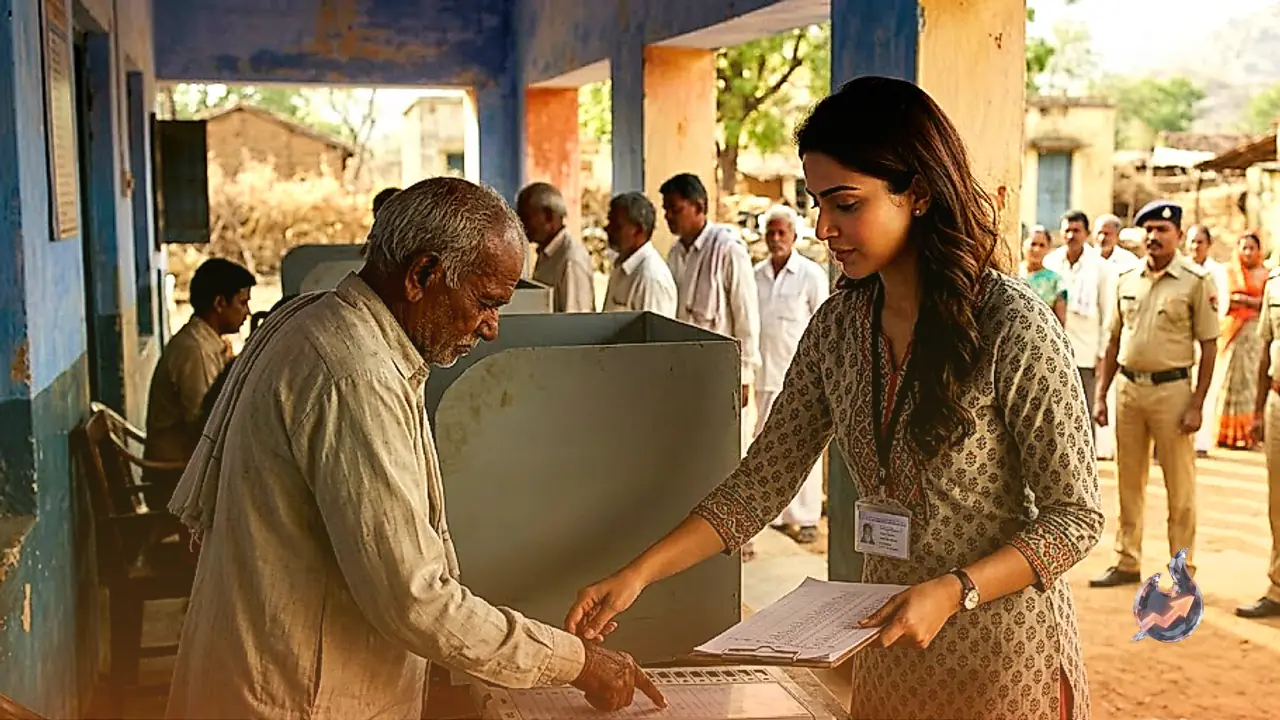

A close look at Newton review (2017) reveals how compelling writing and disciplined pacing can create enduring cinematic art without relying on conventional commercial formulas. Arriving in theatres on September 22, 2017, the movie bypassed traditional star power and loud spectacles to tell an adventurous and truthful story about democratic mechanisms, voting exercises, and the quiet dedication of an ordinary civil servant. Set deep inside the conflict-ridden forests of Chhattisgarh, the project examines the fragile relationship between constitutional theory and harsh ground truths.
Tight Screenplay and Sustained Suspense
The primary strength of the film lies in its focused and lean screenplay, which resists the temptation of unnecessary filler scenes or standard musical interludes. Clocking in at a runtime of just 106 minutes, the narrative plunges straight into the central challenge. From the moment the team journeys into insurgent-affected terrain to set up a makeshift voting booth to the conclusion of the polling process, every sequence maintains a gripping atmosphere of tension and curiosity. Viewers remain on edge, questioning whether procedural integrity can survive the unpredictable dangers of the wilderness.
Modest Budget and Triple Returns at the Box Office
The production proved that content-driven storytelling can deliver exceptional commercial resilience. With an estimated production outlay of approximately 9 crore, the film relied heavily on organic audience enthusiasm and glowing word-of-mouth momentum. It went on to collect 22.80 crore net across the domestic market, eventually pushing its global theatrical gross beyond 29 crore. By earning more than three times its production expenditure, it comfortably secured semi-hit status at the box office.
The Riveting Clash Between Rajkummar Rao and Pankaj Tripathi
At the center of the narrative is an ideological confrontation driven by two sharply defined characters. Rajkummar Rao plays Newton Kumar, an uncompromising, idealistic, and rigidly ethical government clerk who views constitutional procedure as sacred. In direct contrast stands Pankaj Tripathi as Aatma Singh, an experienced CRPF commander who operates on cynicism, pragmatic survival instincts, and a realistic understanding of local power dynamics. The collision between Newton's rigid procedural rulebook and Aatma Singh's frontline experience forms the emotional core of the film, elevated by flawless dramatic timing and subtle humor.
Systemic Apathy and the Mirage of Democratic Participation
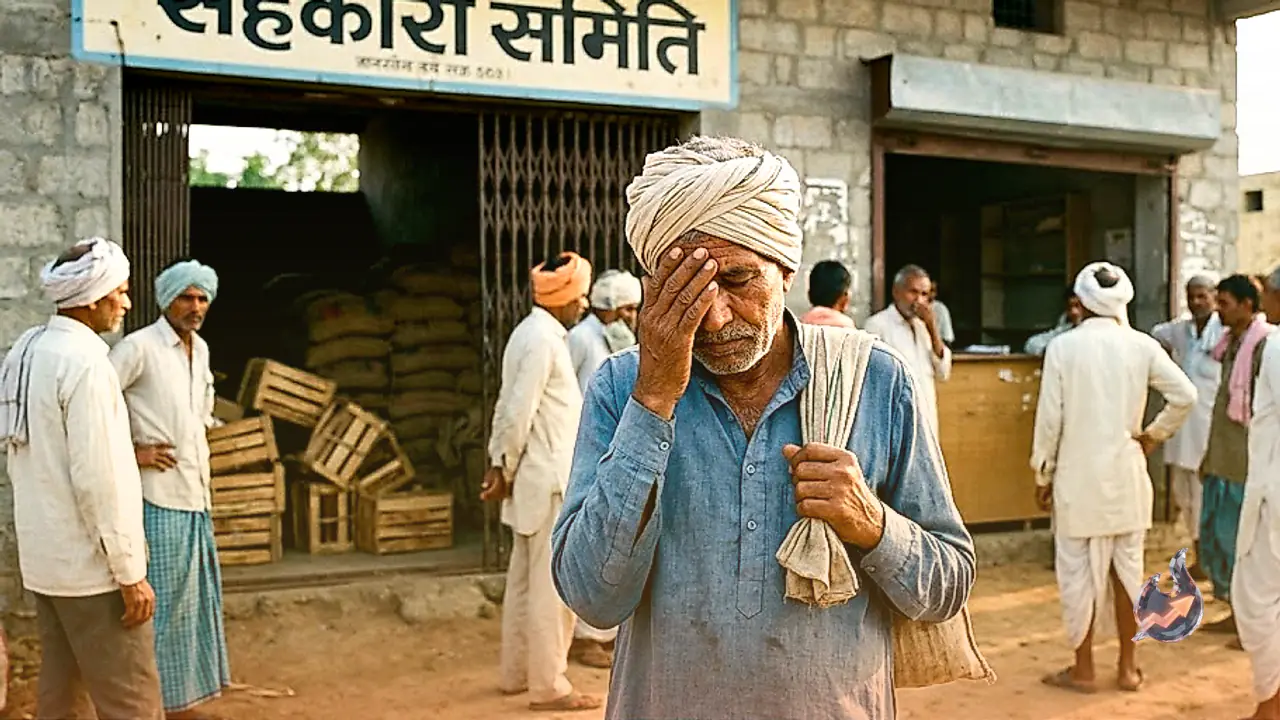
Beyond being a narrative about conducting an election, the story operates as a pointed social critique of modern administrative institutions. It depicts the stark reality of indigenous tribal populations who remain entirely disconnected from the voting machinery, highlighting administrative helplessness and systemic neglect. Rather than celebrating romanticized patriotism, the storyline gently exposes how constitutional exercises can turn into hollow box-ticking rituals on paper while the daily struggles of marginalized citizens remain entirely untouched.
Oscars Selection, National Film Awards, and Global Acclaim
Critical recognition followed the film across both domestic and international circuits. On its very opening day, the project was chosen as India's official submission in the Best Foreign Language Film category for the 90th Academy Awards (Oscars 2018). While it did not reach the final round of nominations, the prestigious announcement substantially elevated public curiosity and extended its theatrical lifecycle. The venture subsequently triumphed at the 65th National Film Awards, winning the Best Hindi Film trophy, alongside a Special Mention honor bestowed on Pankaj Tripathi for his nuanced acting. Having gathered accolades at major festivals including the Berlin International Film Festival, the production stands as a benchmark of modern Hindi cinema.