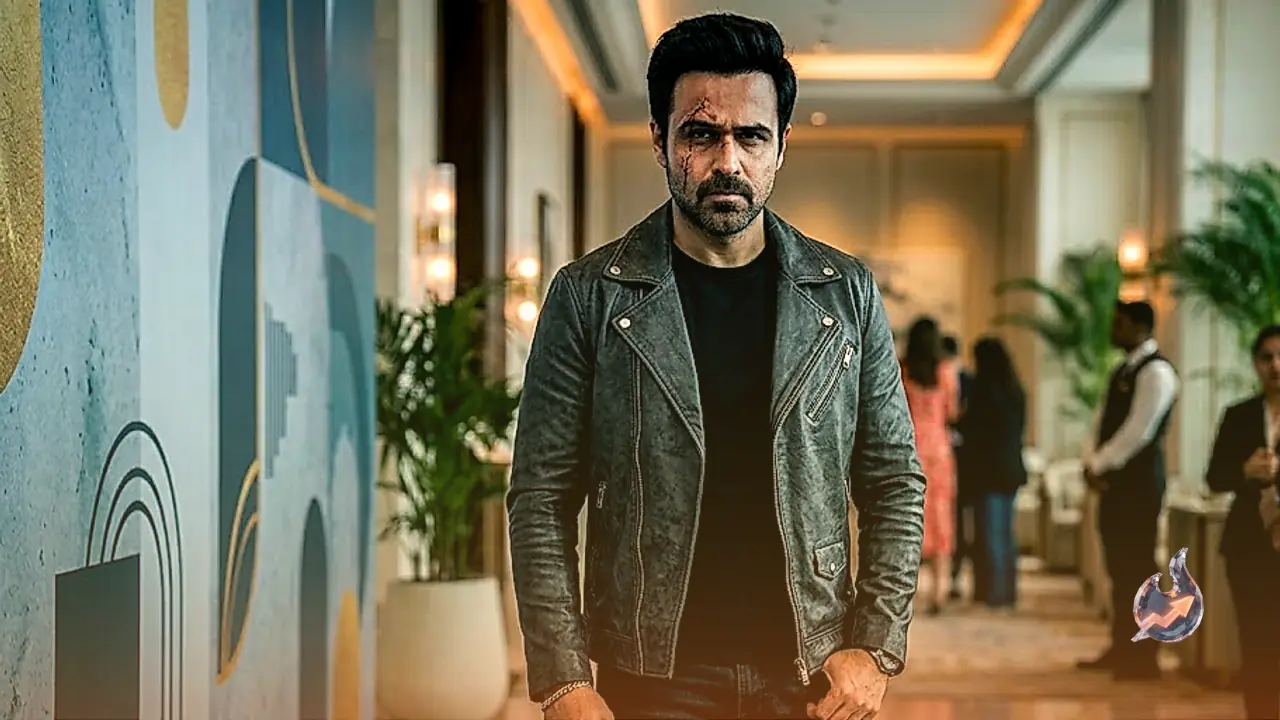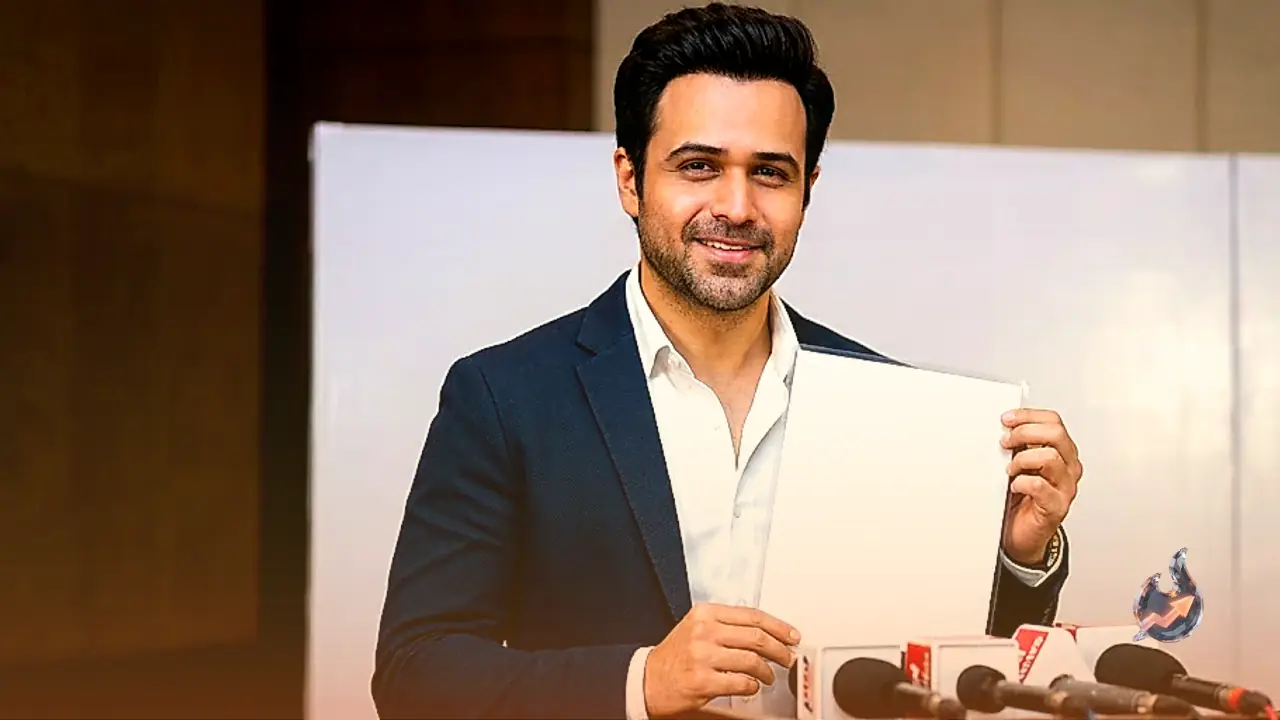



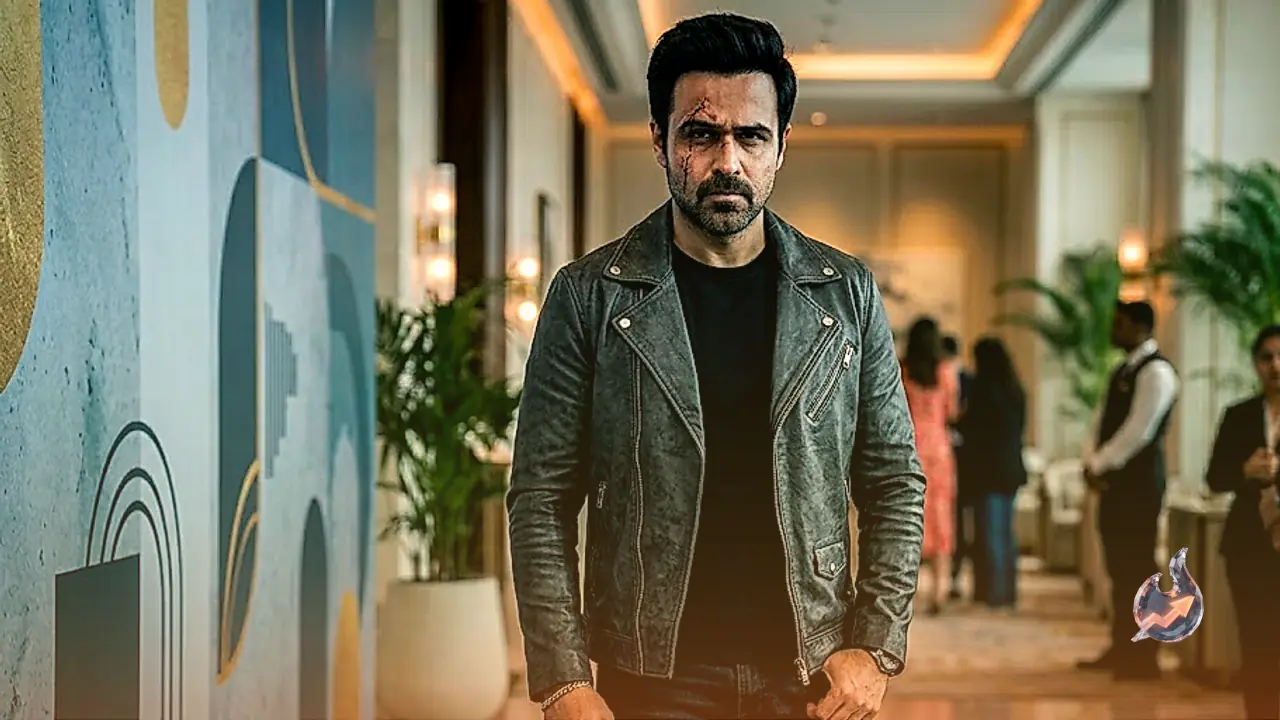














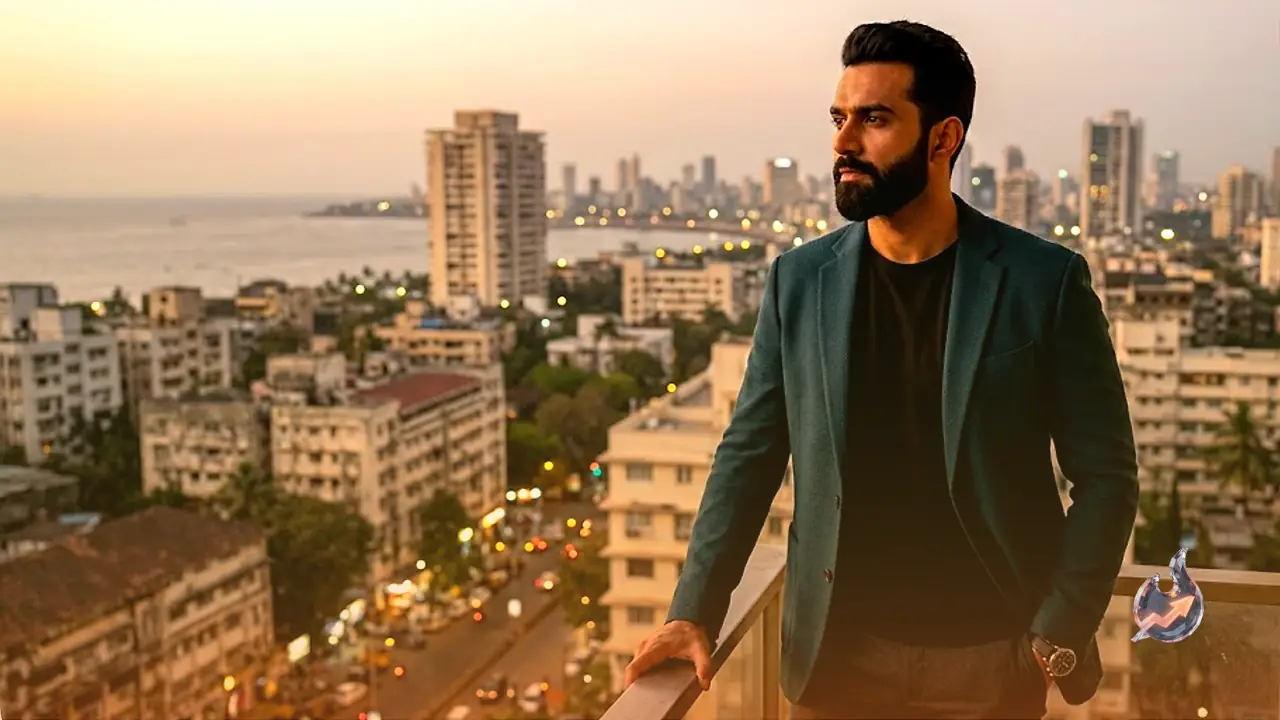

Before Rajjo, there was a cricketer with a very different dream. Ramandeep Yadav grew up wanting to represent India on the cricket field, and becoming an actor was, by his own account, something that existed beyond even his wildest imagination. The switch happened, but it came with years of silence and uncertainty that most people watching from the outside never got to see. In a candid conversation with TrendKia, he gave an unfiltered account of those years, the four-year dry spell after his web series CAT, the moment he had nearly made peace with leaving Mumbai for good, and the unexpected arrival of Raakh that changed the entire direction of his career.
The Four Years Nobody Talks About
After CAT, Ramandeep expected some momentum to follow. Instead, he found himself in a prolonged stretch with no major project in sight. The industry had moved on, the work had dried up, and that state persisted for four years. He was direct about what that period felt like: breaking into the film world is not easy, and even when work does arrive it carries no guarantee of what comes next. He reached the point where leaving Mumbai felt like the only rational decision remaining. "Mujhe CAT ke baad chaar saal lage yeh project crack karne mein, woh bhi us mod par jab mujhe laga ki ab Mumbai chhod dena padega," he said. It was precisely at that juncture that Raakh found him.
How Rajjo Changed the Story
The role of Rajjo in the Prime Video series Raakh turned out to be exactly the kind of opportunity Ramandeep had been holding out for. Audiences connected with the character and his performance was widely praised, giving him the kind of recognition he had been working toward for years. The production also placed him alongside established performers including Sonali Bendre, Divyendu, Rakesh Bedi and Ali Fazal. Earning his place in that ensemble, after four years of waiting, made the milestone particularly meaningful.
What the Glamour Hides
Ramandeep had a clear and direct message for anyone drawn to Bollywood by what they see from the outside. The fame is real, he said, but it represents only the visible surface of a journey that includes long, invisible stretches between. He explained, "Charm dekhkar mat socho ki actor banna aasan hai, woh sirf fame nazar aata hai, lekin beech ke daur mein kaise haal mein actor hota hai, yeh kisi ko nahin pata." He pointed to very senior artists whose interviews he had watched, people who delivered celebrated films and still went without any work for three years afterward, proving that unpredictability does not disappear once a career gets going. His advice to those considering the path was consistent: stay hopeful, stay grateful, keep faith in a higher power, and trust that the industry does hold genuine people who will recognise and reward real talent when they encounter it.
From the Cricket Ground to the Camera
Cricket was Ramandeep's first language. He wanted to represent India on the field and that was the goal he had been building toward. The pivot to acting was something he describes as having been beyond even his most ambitious daydream. "Main toh cricket khelna chahta tha, India ko represent karna chahta tha aur wahan se yahan tak aana, woh field switch karke, yeh mere wildest dream mein tha," he reflected. He deliberately chose not to call his journey a struggle, preferring to frame it as a process with natural highs and lows. That distinction matters to him: calling it a struggle adds unnecessary weight to what is, at its core, simply the nature of the work and a reality every person in this field has to navigate at their own pace.
The Elder Brother Who Carried the Weight
Among all the people Ramandeep acknowledged in his journey, his elder brother received the most prominent mention. He explained that in his family, as is common, the eldest child inherited the bulk of financial and practical responsibility, often at the cost of personal ambitions. His brother had to sacrifice a great deal because of where he stood in the family, and that sacrifice was what created the space for Ramandeep to follow acting. Without it, he said, he would have been sitting behind a laptop in an office doing work he never wanted, quietly falling apart inside. He said, "Main kisi ke kaam ko kam nahin aank raha, lekin apna passion follow kar paane mein bhi sirf akele aap nahin hote, balki aapke peeche bhi bahut se log hote hain." He considers that support system as fundamental to his success as anything he achieved on his own.