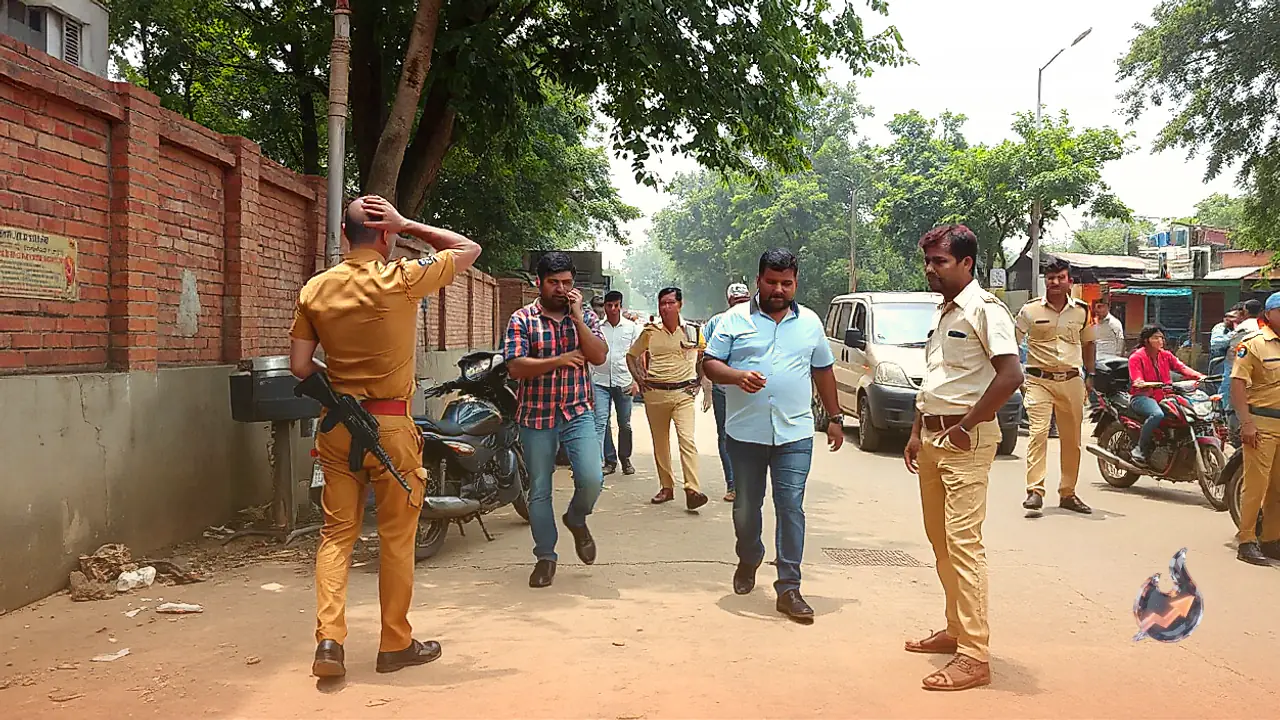


















Navigating the film industry as an outsider often involves encountering troubling circumstances and uncomfortable professional dynamics. Actress Swara Bhasker has candidly reflected on a difficult chapter from her formative years in cinema, detailing an encounter with an inappropriate filmmaker. She explained how, during the initial phase of her career, she could not immediately recognize that the misconduct she experienced on a movie set was actually a form of workplace sexual harassment.
An Uncomfortable Experience During an Outdoor Shoot
The incident occurred in the year 2011 when Bhasker was filming on location in Pachmarhi, Madhya Pradesh. At the time, she was around 20 years old and had stepped into the entertainment business without any industry connections, family backing, or a mentor to guide her. She had earned her opportunities solely on the back of personal effort and auditioning. Working on an outdoor schedule in an unfamiliar location already brought a degree of unease, which was exacerbated when the project director engaged in offensive and inappropriate behavior toward her.
At the moment it took place, Bhasker did not fully comprehend the nature of the violation. Because there was no physical contact involved, she struggled to categorize the incident in her mind. While the filmmaker did not touch her physically, the conduct was shocking, crossing professional boundaries and creating immense discomfort. The lack of broader discussions around non-contact workplace misconduct at the time left her uncertain about how to process the event.
How the MeToo Movement Brought Clarity
Bhasker noted that it took years and a significant cultural shift for her to fully understand what had transpired in Madhya Pradesh. When the MeToo movement gained momentum and women began sharing their personal testimonies on Twitter, she spent time reading through numerous accounts. Engaging with those shared stories helped her realize that harassment does not solely depend on physical touch. Intimidation, inappropriate conduct, and boundary violations within professional settings constitute harassment just as definitively.
Reflecting on that realization, she noted that reading those public accounts made everything click into place, leading her to finally understand that what she had endured years earlier was indeed workplace sexual harassment.
The Constant Fear of Losing Employment
Addressing the broader question of why women frequently refrain from calling out misconduct at the exact moment it happens, Bhasker pointed directly to professional vulnerability. She explained that individuals entering the industry carry major career aspirations and fears of retaliation. Nobody wants to risk losing employment or being dropped from projects after putting in relentless effort to secure work. The anxiety of having opportunities taken away often compels newcomers to absorb uncomfortable situations in silence rather than speaking out immediately.
Support from an Executive Producer
During the troubling shoot, Bhasker chose to confide in the film's executive producer, explaining the entire situation and the director's conduct in detail. The producer responded with prompt assistance, ensuring her protection and offering crucial support on the set throughout the remainder of the schedule. That professional intervention fostered a lasting bond of trust between them. The executive producer became a close friend and continues to handle her professional affairs as her manager to this day.