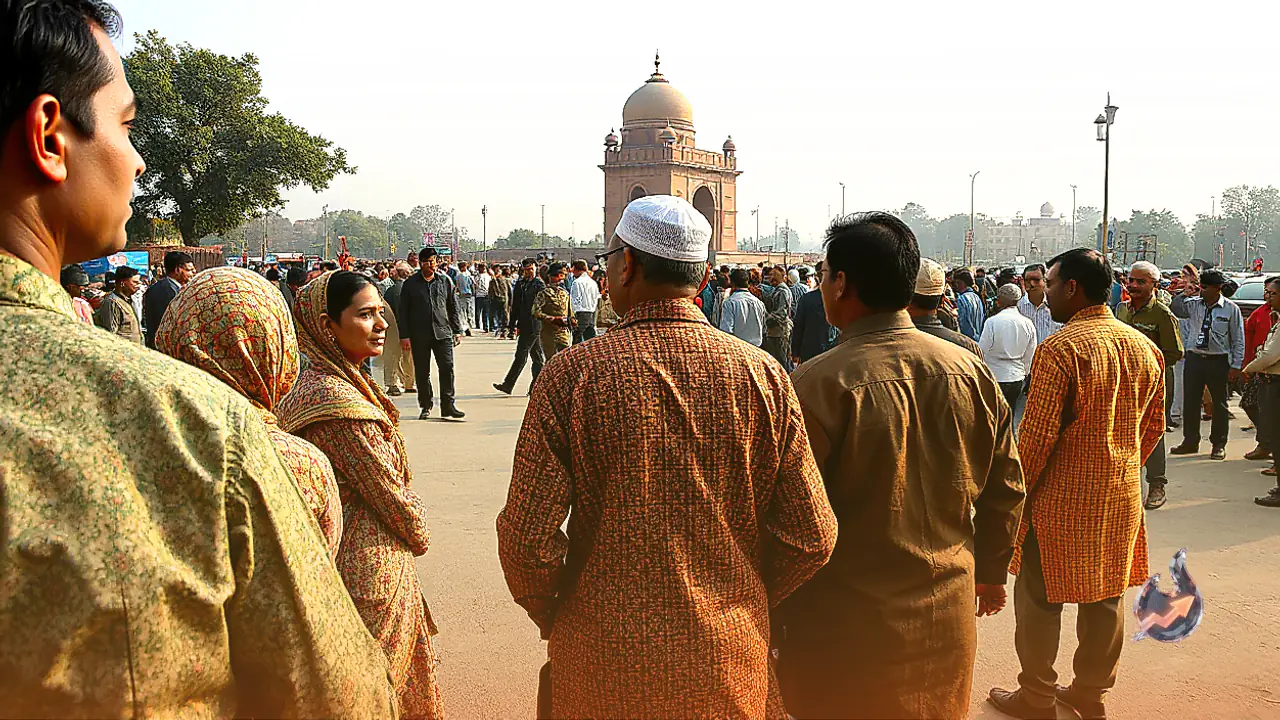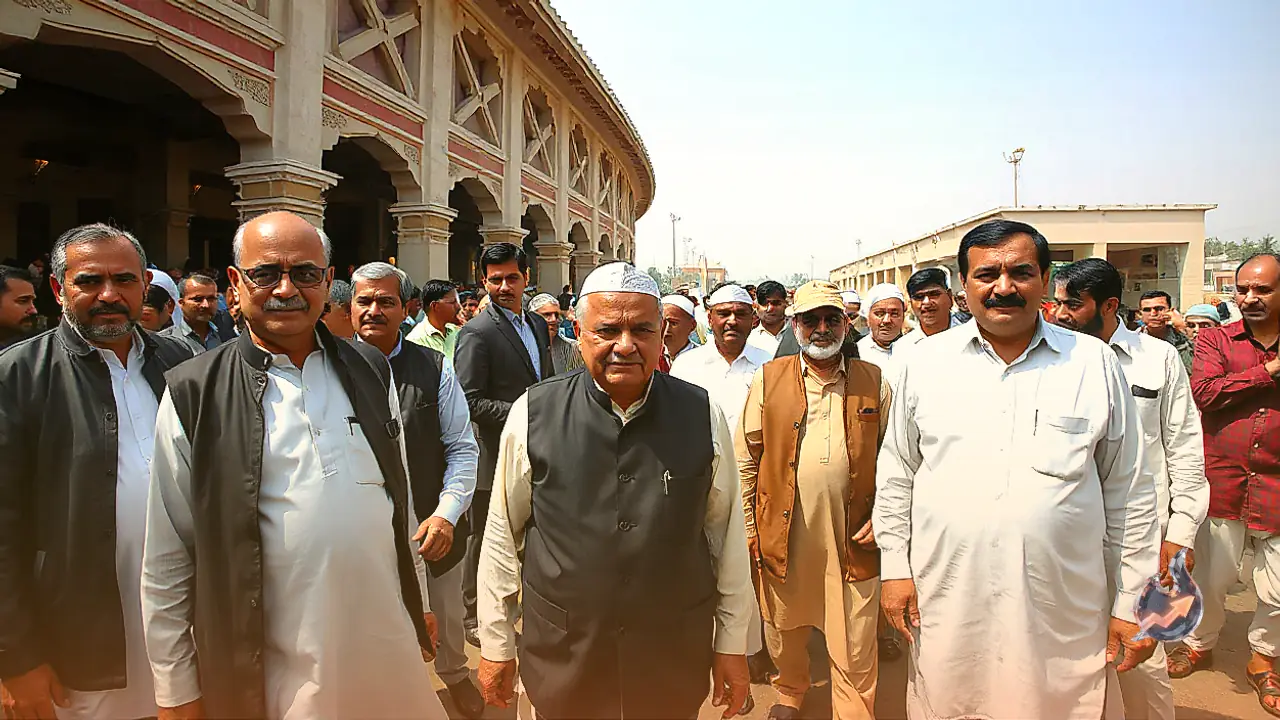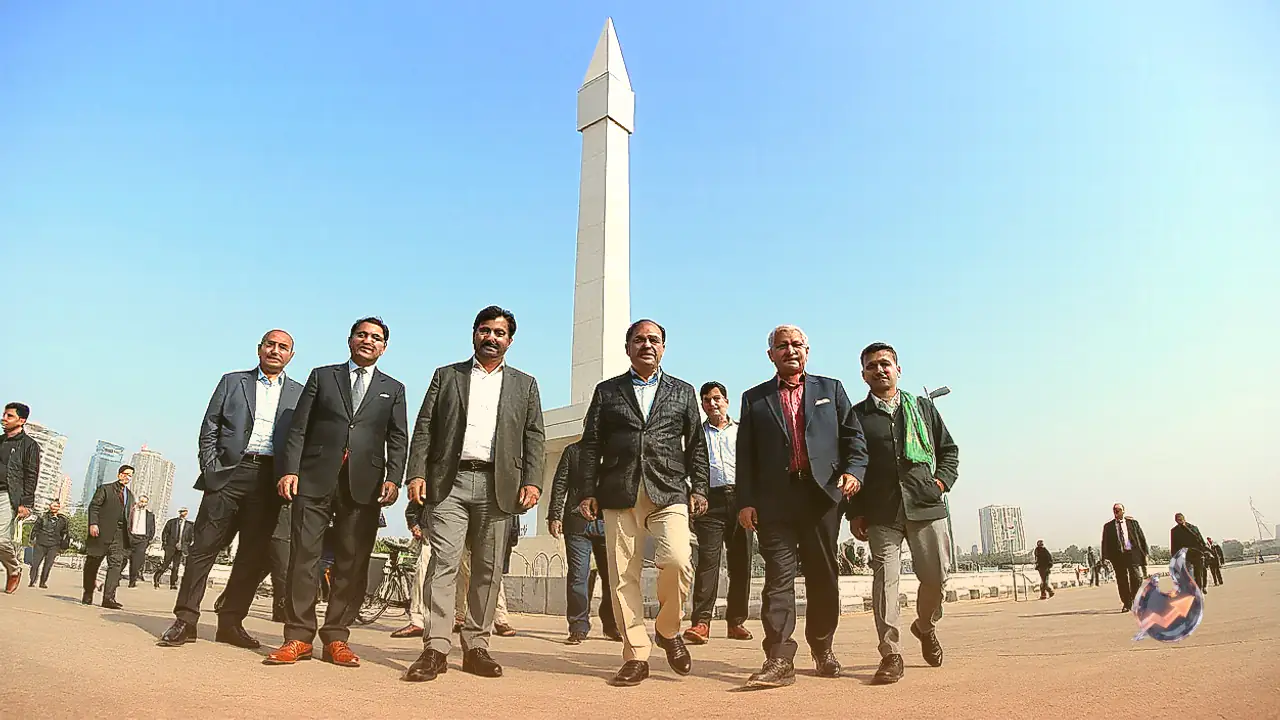
















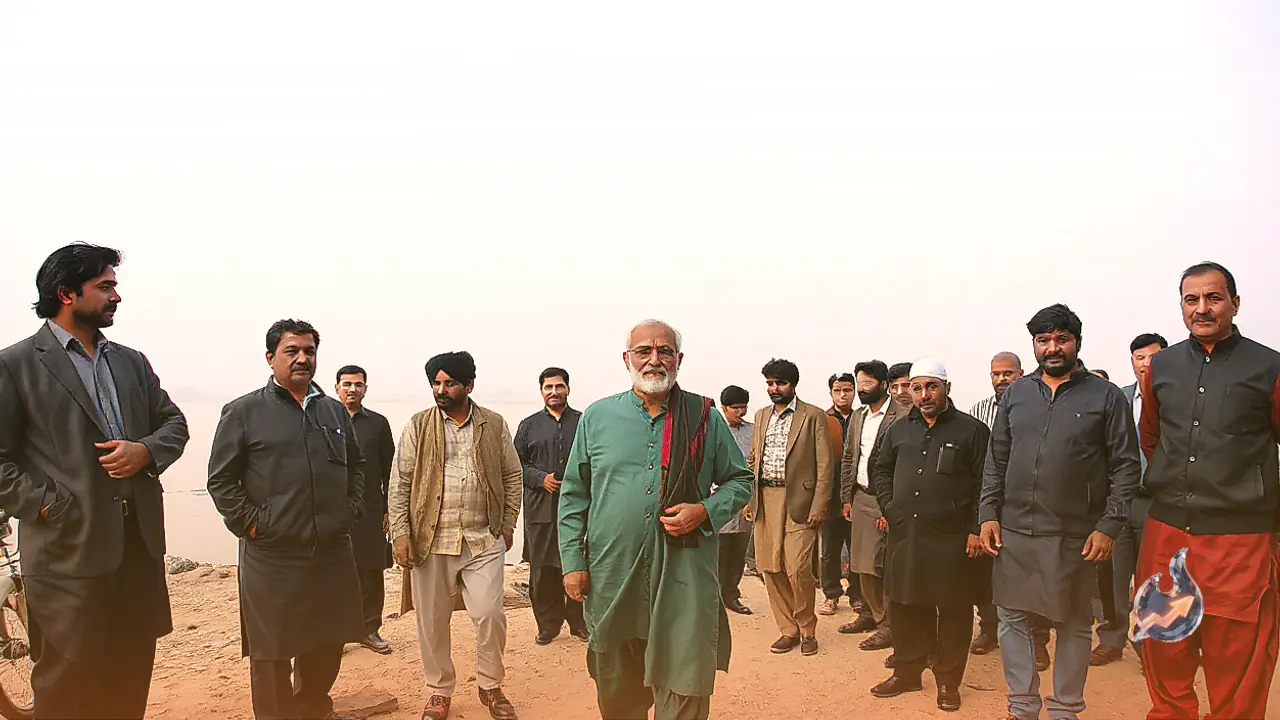

Diplomatic circles in New Delhi and Islamabad are paying close attention as Pakistan announces its representation for the upcoming Shanghai Cooperation Organisation (SCO) cultural assembly. Islamabad officially confirmed on November 14 that Minister of Climate Change and Environmental Coordination Dr. Musadik Masood Malik will lead the Pakistani delegation to the SCO Civilisational Dialogue Forum. Scheduled from November 20 to November 22, 2026, at the historic Purana Qila complex in New Delhi, the forum represents a significant gathering of regional nations. If the visit proceeds as planned, Malik will become the first cabinet minister from Pakistan to travel to India in more than three years. However, his nomination has sparked intense debate due to his past aggressive rhetoric regarding bilateral water agreements.
First Ministerial Visit in Years Wrapped in Diplomatic Friction
Dr. Musadik Masood Malik is widely regarded as one of Islamabad's most vocal figures against India. Earlier this year, on June 29, the Pakistani minister made a highly contentious statement regarding the historic water-sharing arrangement between the two neighbours, issuing a direct warning: "Whoever lays a hand on our water, we will cut off that hand." Such hardline statements have drawn strong attention from Indian security analysts and foreign policy observers.
Diplomatic experts note that selecting a minister known for severe positions on water resources, rather than a traditional cultural representative, signals a strategic decision by Islamabad. Bilateral political visits between India and Pakistan have been frozen for over three years. Consequently, Malik's potential presence on Indian soil introduces a volatile diplomatic element to an event originally designed for cultural interaction and regional unity.
The Water Dispute Strategy Behind Islamabad's Choice
Senior government officials indicate that Islamabad's choice of delegate is a calculated maneuver aimed at bringing the Indus Waters Treaty controversy directly into New Delhi. India recently took a firm stance by pausing operations under the historic water agreement and seeking a comprehensive review of its terms. Sources suggest that Pakistan intends to leverage the multilateral SCO stage to express formal resistance against India's decision.
By using an international forum hosted in New Delhi, Islamabad hopes to highlight its opposition before regional delegates. This strategy presents a delicate scenario for Indian foreign policy officials, who are evaluating how to handle protocol for a visiting official who previously expressed hostile threats. Observers are closely watching how India will manage diplomatic host responsibilities while countering any attempt to internationalise bilateral water disputes at an SCO event.
Inside the SCO Civilisational Dialogue Forum
India is hosting the inaugural SCO Civilisational Dialogue Forum in New Delhi from November 20 to 22, 2026. Prime Minister Narendra Modi is scheduled to inaugurate the three-day event on November 20 at the historic Purana Qila site. The forum is jointly organized by India's Ministry of Culture and Ministry of External Affairs, stemming from a proposal originally presented by Prime Minister Modi during the 2025 SCO Summit in Tianjin, China.
Designed to transcend hard geopolitics and security frictions, the initiative focuses on the shared historical and cultural heritage across Eurasia. The forum's discussions and events are structured around four fundamental pillars
- Cultural Expression: Showcasing traditional performance arts and heritage practices across participating states.
- Art and Architecture: Examining historical monuments, architectural styles, and collaborative conservation techniques.
- Language and Literature: Preserving ancient manuscripts, historical texts, and linguistic traditions.
- Religious and Philosophical Traditions: Exploring shared philosophical systems and historical belief structures.
In addition to formal sessions, the event features public exhibitions and live cultural presentations within the historic Purana Qila grounds.
Global Participation and Diplomatic Ramifications
Invitations were extended to 25 countries across the SCO framework, encompassing all 10 full member states alongside observer nations and dialogue partners. More than 15 countries have officially confirmed their participation, including China, Iran, Kazakhstan, Uzbekistan, Tajikistan, Belarus, Nepal, Armenia, Saudi Arabia, and Cambodia.
Following Pakistan's announcement on November 14 regarding Malik's participation, the focus has expanded from cultural exchange to political dynamics. While India aims to foster deeper regional engagement through shared Eurasian history, Islamabad's potential move to introduce water dispute grievances adds strategic complexity. The diplomatic community now looks forward to the opening ceremony on November 20 to observe how both nations navigate the event.