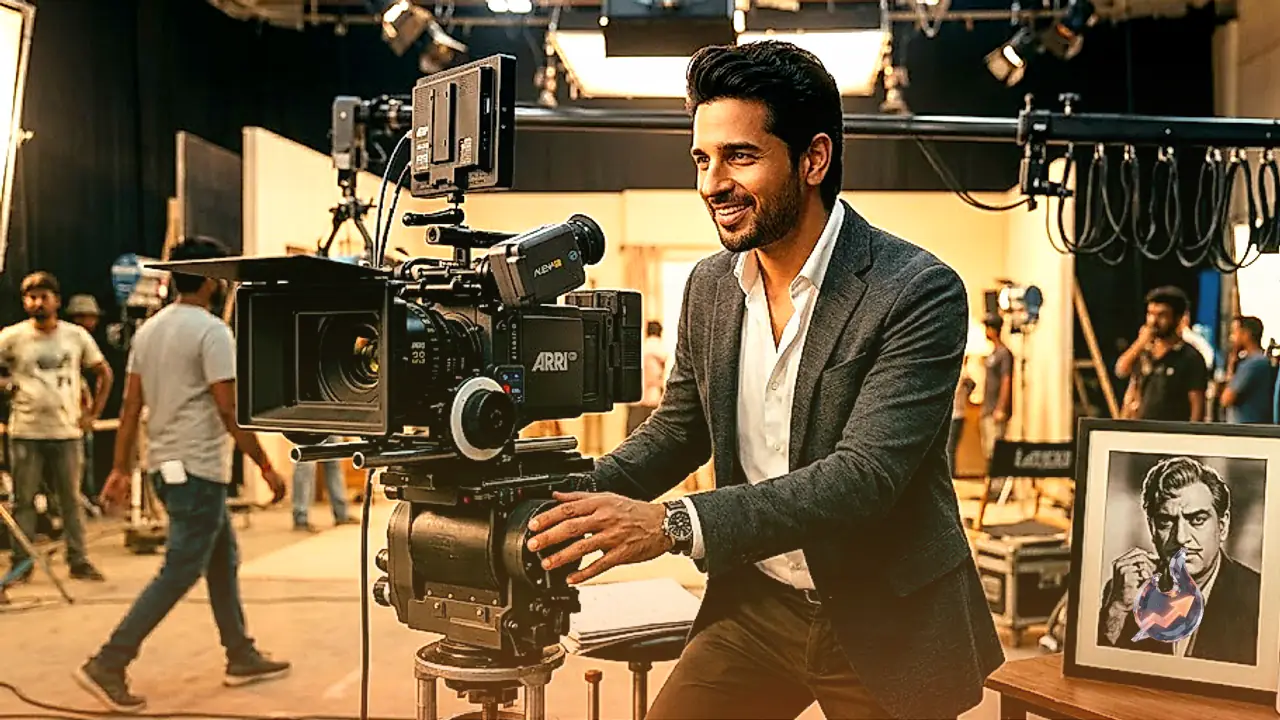
























The year 1951 marked a historic milestone in Indian cinema when Raj Kapoor introduced audiences to an extraordinary visual experiment through his benchmark film Awaara. Beyond its compelling narrative and powerful performances, the film captivated moviegoers with its grand visual presentation. A central highlight was an elaborate dream sequence song that brought a fantasy world to life, driven by months of meticulous craftsmanship and technical dedication.
Three Months of Set Building and a 72-Hour Marathon Shoot
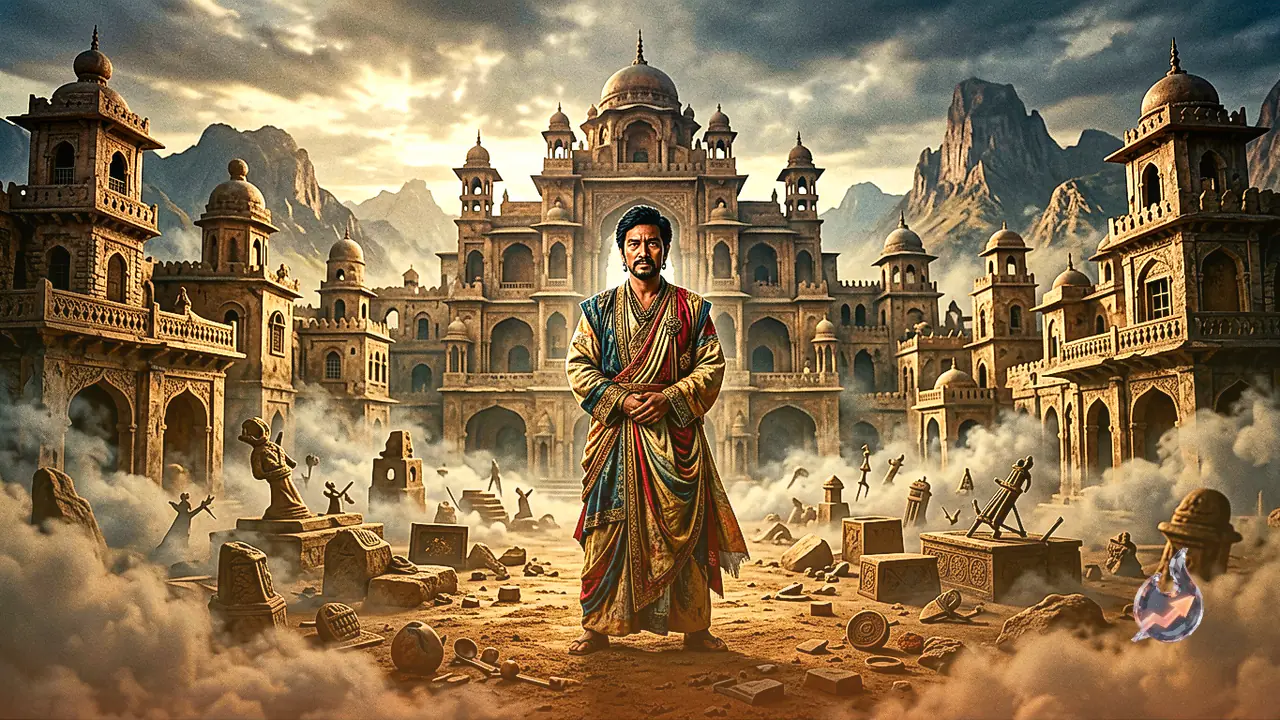
While the iconic title track Awaara Hoon gained global acclaim, another composition from the film, Tere Bina Aag Ye Chandni, etched its name in cinematic history due to its breathtaking scale and visual ambition. To capture the surreal essence of a dreamscape, a massive and detailed set was constructed inside RK Studios. Craftsmen and set designers worked relentlessly for three full months to build this fantasy environment. Once completed, Raj Kapoor and his crew executed the entire filming process in an intensive 72-hour marathon shooting schedule.
A 3D-Like Visual Spectacle for 1951 Audiences
During an era when computer graphics, visual effects, and digital tools were non-existent in Indian filmmaking, recreating an ethereal fantasy on screen presented an enormous challenge. When audiences witnessed the sequence in theaters in 1951, the immersive atmosphere left them feeling transported to an otherworldly realm. The combination of intricate set structures, strategic lighting, artistic camera movements, and smoke effects generated a sensory experience so vivid that contemporary viewers likened it to watching a 3D spectacle.
Musical Mastery and the Iconic Raj Kapoor-Nargis Chemistry
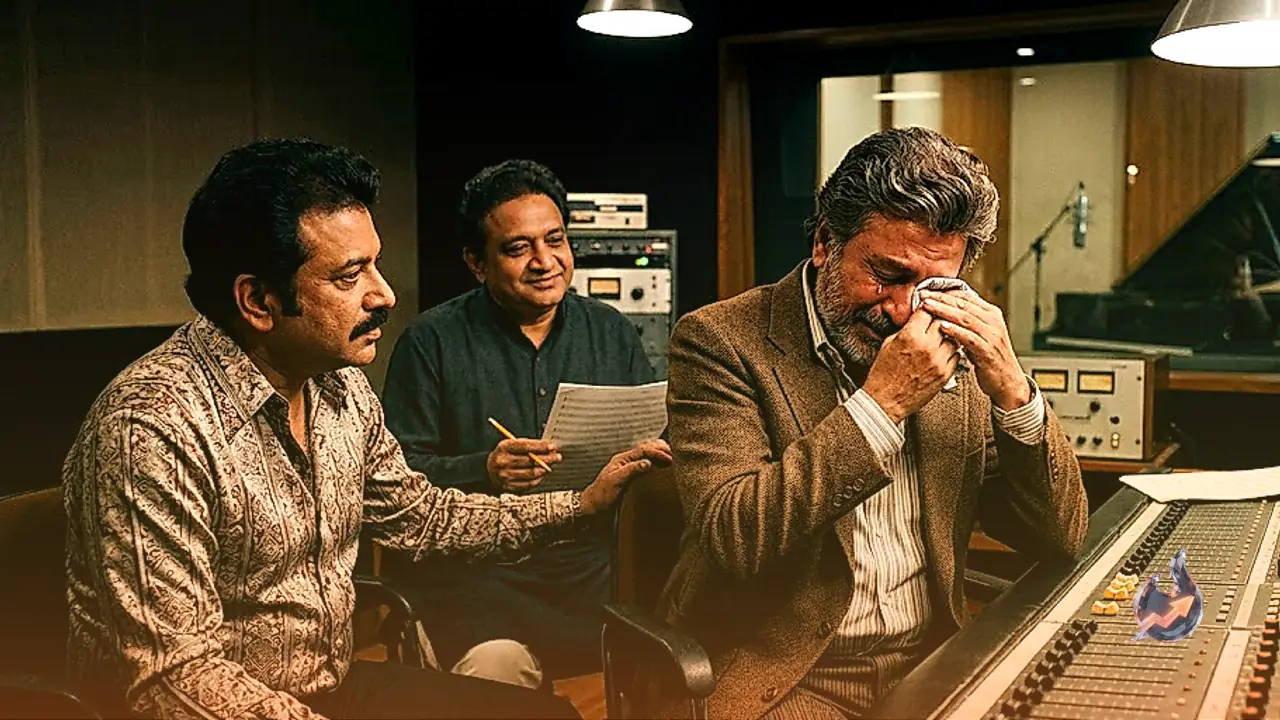
The phenomenal success of Awaara was anchored by its legendary soundtrack, composed by the celebrated duo Shankar-Jaikishan, with lyrics written by Shailendra and Hasrat Jaipuri. On screen, the captivating chemistry between Raj Kapoor and Nargis added immense emotional depth to the sequence. Today, while digital technology allows filmmakers to render fantasy worlds effortlessly, the physical dedication and visionary effort demonstrated by Raj Kapoor and his team in 1951 remain a testament to classic cinematic art.