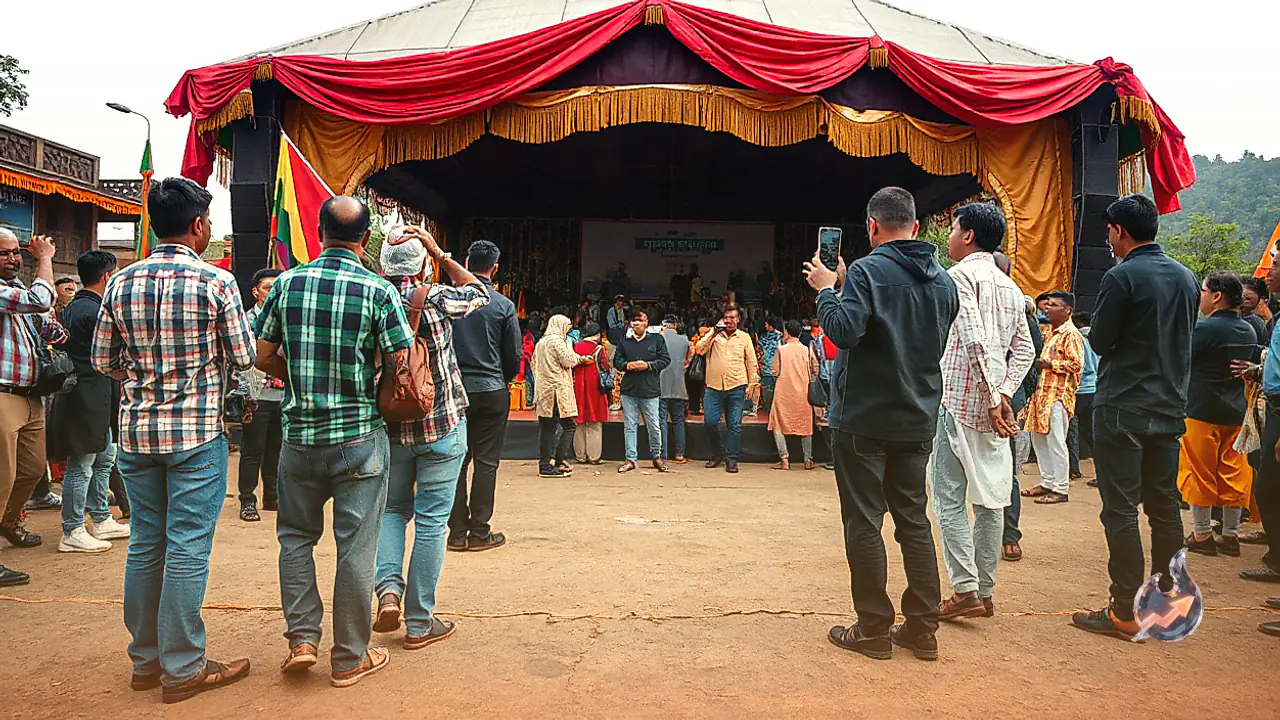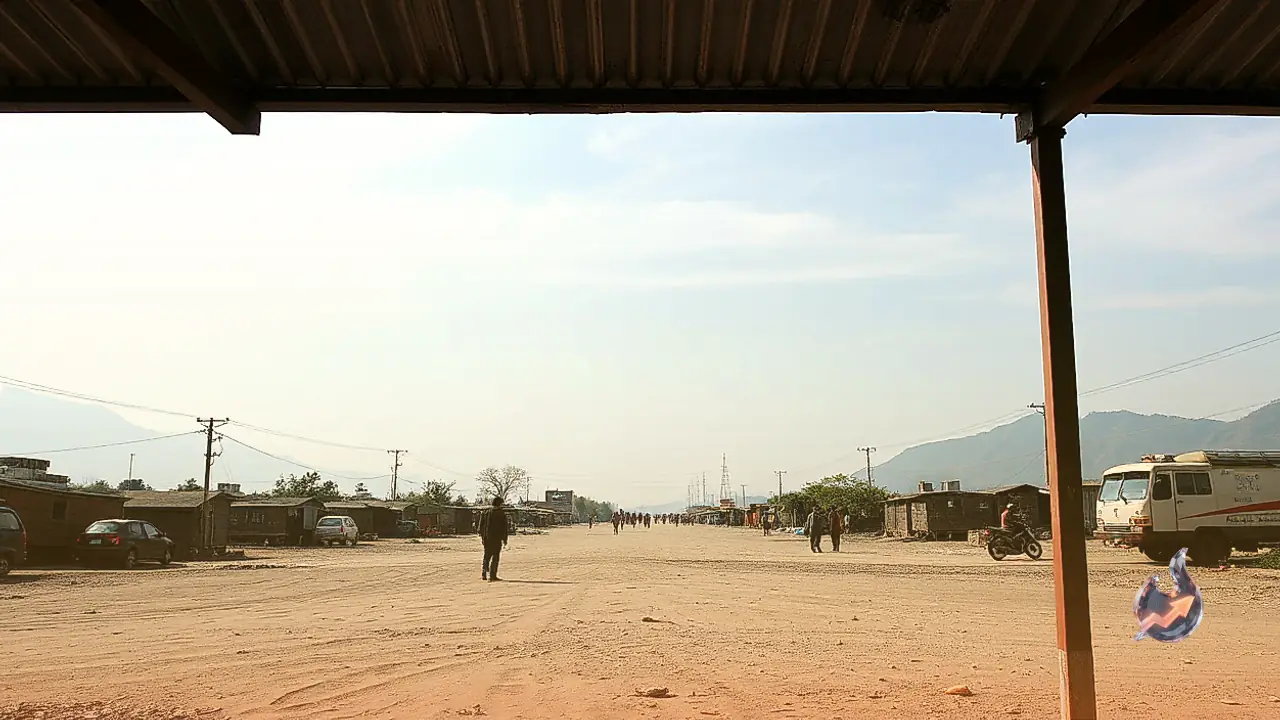


















Persisting unrest and recurrent transit disruptions in Manipur have reached the highest judicial forum of the country, with civic groups moving the Supreme Court to safeguard national transport corridors. A Public Interest Litigation filed under Article 32 of the Constitution urges prompt judicial directions to ensure that passenger traffic and the carriage of vital provisions across the state can proceed without harassment, unlawful blockades, or extortion.
The plea has been brought by Team Meitei Personalities Manipur alongside the Meitei Alliance Trust. They have formally arrayed the state government of Manipur, the Union government represented by the Ministry of Home Affairs, and the National Highways Authority of India as respondents. The legal action highlights how geographical isolation makes National Highways the solitary lifelines for transporting pharmaceutical supplies, food grains, petroleum products, and everyday commercial necessities into the region.
Halting Ethnic Profiling and Dismantling Unlawful Barricades
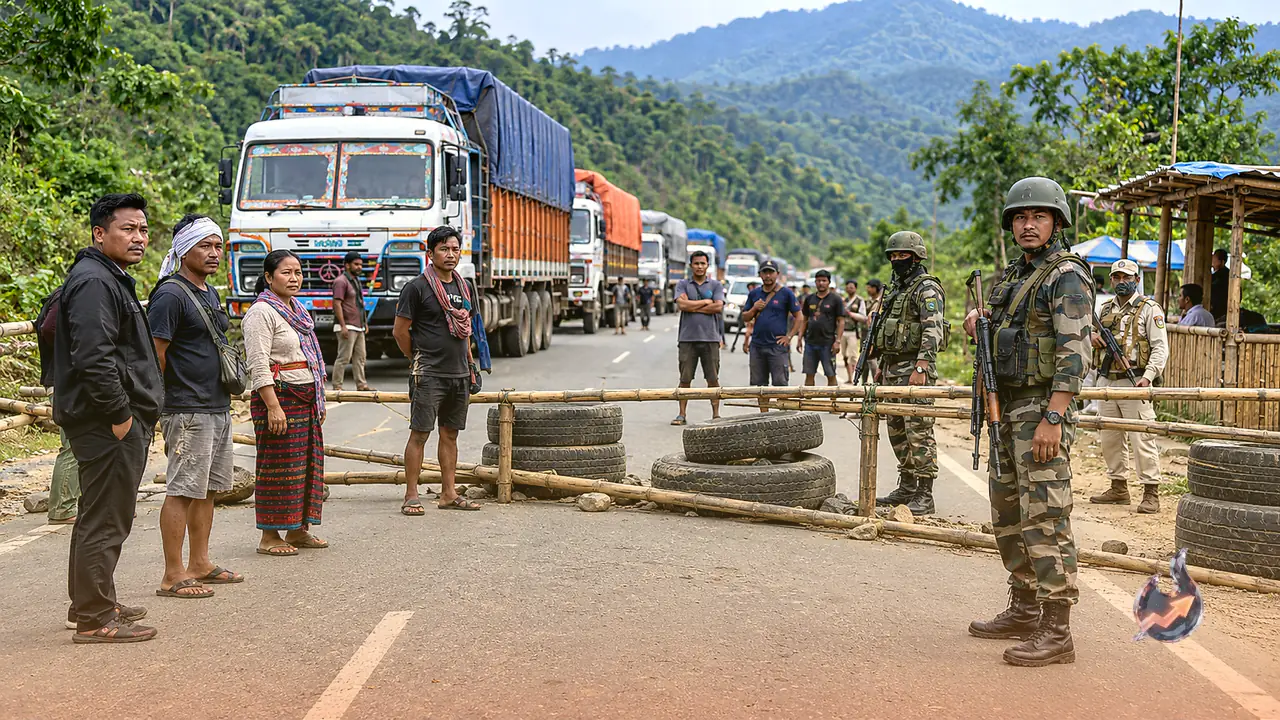
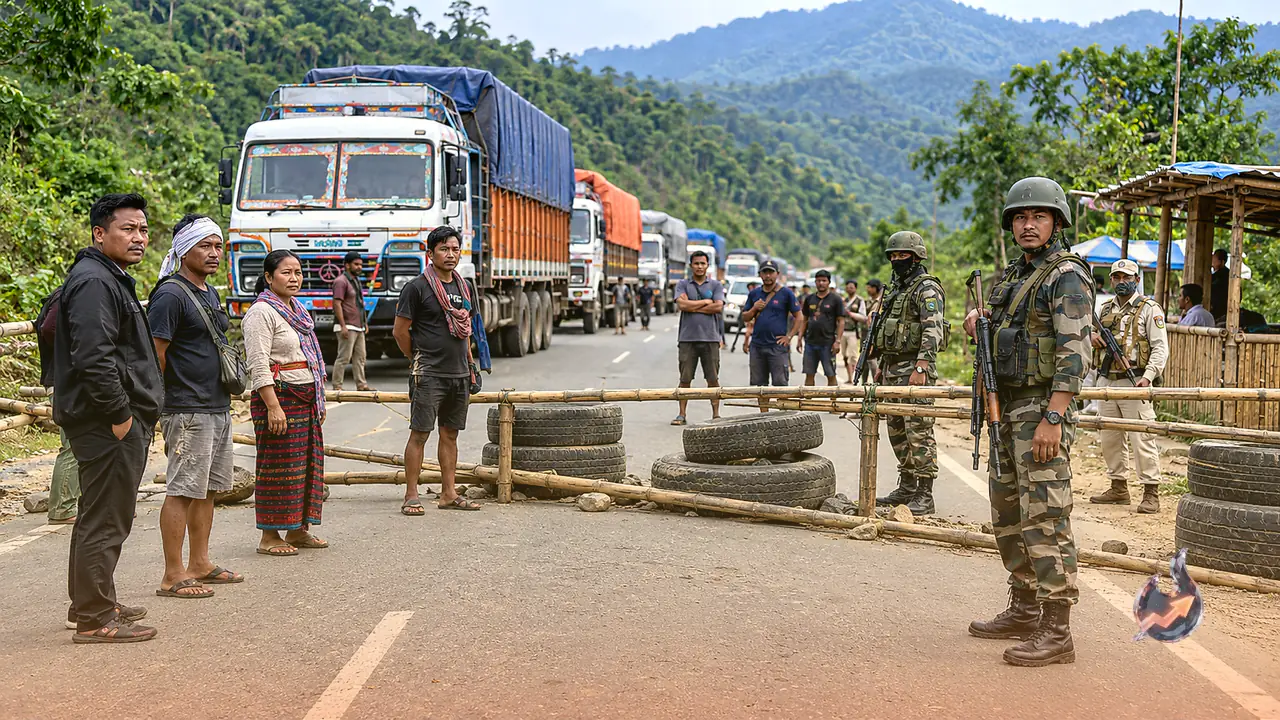
A core grievance presented before the bench concerns the arbitrary restriction of vehicular movement based on communal background, residential origin, or ethnic lineage. The petitioners contend that public highways belong equally to every citizen, and allowing localized groups to filter or block transit undermines fundamental constitutional guarantees of free movement throughout Indian territory.
To restore unrestricted access, the petition calls for the immediate teardown of unauthorized gates, community-run checkposts, makeshift collection kiosks, and physical barriers erected along transit arteries. The plea specifically invokes the statutory mechanisms of the Control of National Highways (Land and Traffic) Act, 2002, pointing out that national road networks cannot be converted into regulated choke points by unauthorized private assemblies.
Addressing Highway Coercion, Unofficial Tolls, and Economic Bandhs
The litigation draws a sharp distinction between legitimate democratic expressions of dissent and coercive highway blockades that choke entire civilian populations. While recognizing that the right to assemble peacefully is legally protected, the organizations argue that orchestrating prolonged economic blockades or enforcing strikes across essential freight paths amounts to an unlawful denial of essential goods.
The petition stresses the menace of unregulated money collections carried out under the guise of local taxes, voluntary contributions, or road usage fees. It urges strict law enforcement against syndicates and individuals indulging in intimidation, physical assaults, property destruction, and extortion along these routes. Transporters and vehicle operators, according to the plea, must be shielded from coerced payments that significantly inflate the cost of living across the entire state.
Framework for Round-the-Clock Redressal and Coordinated Protection
To establish institutional accountability rather than ad hoc responses, the petitioners suggest a comprehensive highway safety blueprint. They have requested the court to mandate that Union and state authorities, in direct coordination with security agencies and highway administrators, formulate a time-bound operational plan. This framework would map out vulnerable highway corridors prone to chronic disruption, lay down standardized operating protocols, and design rapid detour alternatives during emergencies.
A notable recommendation in the filing is the institutionalization of a continuous, 24-hour grievance desk managed by designated nodal officers. Such an office would receive urgent alerts regarding intimidation, illicit checkpoints, or extortion attempts, promptly coordinating field investigations. Crucially, the plea underscores that full procedural safeguards must protect the identities and personal safety of complainants and witnesses stepping forward to report violations.
Impartial Security Deployments and Sustained Judicial Oversight
Regarding on-ground protection, the petition requests the strategic deployment of adequate and unbiased security forces along sensitive sectors of the highways. The petitioners note that the exact tactical positioning and troop strengths should remain within the discretion of competent defense and law enforcement commanders operating under established legal mandates.
By framing highway accessibility as a core question of fundamental rights and governance, the plea asks the Supreme Court to maintain periodic supervisory oversight. Unhindered transit along these vital corridors, the groups argue, is indispensable for preserving civilian health, ensuring commercial stability, and restoring institutional confidence across Manipur.