



















Certain musical compositions in Indian cinema transcend the boundaries of time, preserving their emotional resonance across generations. These songs require no specific occasion to be cherished, capturing listeners the moment their opening notes begin. Among these enduring masterworks is Dil Hoom Hoom Kare, a defining track from the film Rudaali. The song represents a rare alignment of artistic brilliance, bringing together the soul-stirring vocals of Lata Mangeshkar, the profound poetry of Gulzar, and an intensely vulnerable on-screen portrayal by Dimple Kapadia. Decades after its arrival, its cultural standing and listener appeal remain completely undiminished.
A Dramatic Departure From Screen Glamour
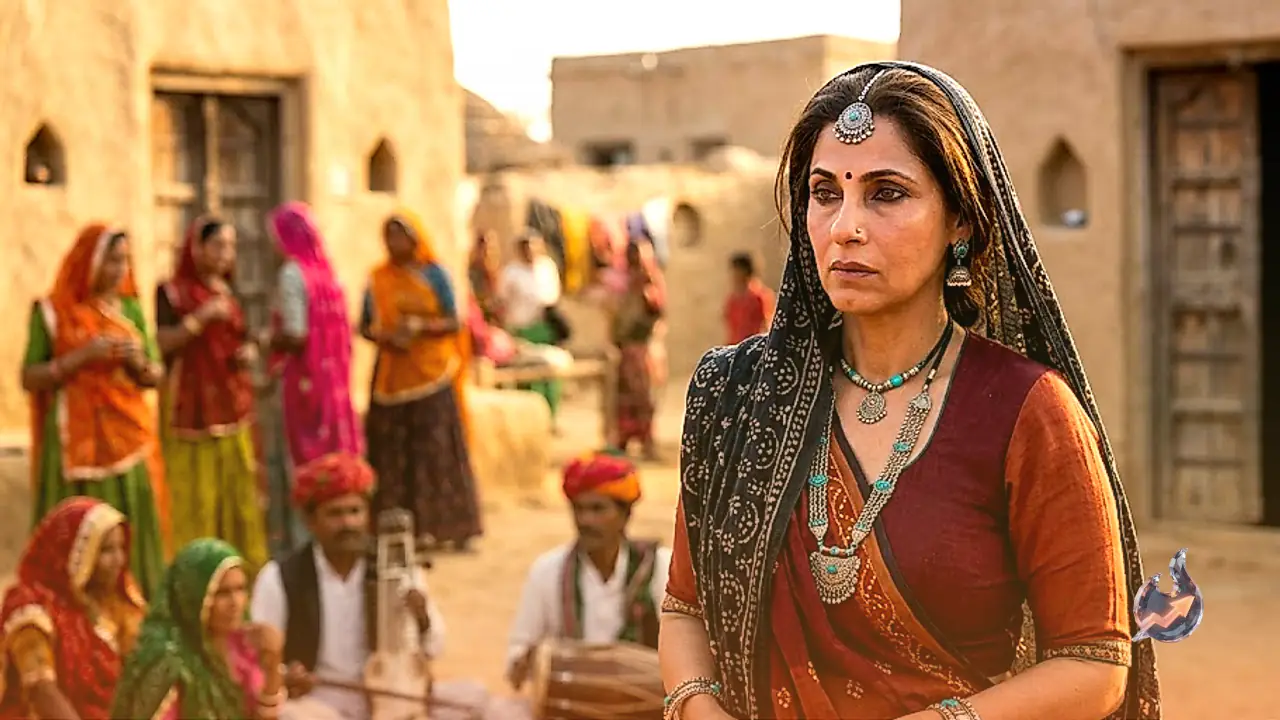
Dimple Kapadia established herself as a formidable talent right from the outset of her career, making an explosive debut in a blockbuster film that captivated audiences nationwide. While her early screen journey was widely celebrated for its glamour and magnetic presence, she took on a profoundly different artistic path with the 1993 release of Rudaali. Stepping away from mainstream commercial archetypes, she took on the lead role with extraordinary gravity. Her nuanced performance conveyed deep sorrow and endurance, and her portrayal in Dil Hoom Hoom Kare gave the track an authentic visual identity that reshaped public perception of her acting depth.
The Emotional Core of Rudaali
Released in 1993, Rudaali distinguished itself through a poignant narrative and layered characters, accompanied by a soundtrack that matched the emotional stakes of the story. Dil Hoom Hoom Kare served as far more than mere background accompaniment, acting as the narrative vehicle that unveiled the protagonist's innermost turmoil. Through subtle pacing, the composition articulates themes of longing, isolation, anxious anticipation, and unexpressed sorrow. As a result, the track grew beyond typical film music conventions, becoming a deeply felt personal experience for music lovers across eras.
Lata Mangeshkar’s Evocative Vocal Mastery
The timeless quality of the song owes an immeasurable debt to the vocal brilliance of Lata Mangeshkar. Her distinctive ability to infuse melody with quiet vulnerability allowed each phrase to resonate with profound authenticity. Mangeshkar was renowned for transforming straightforward phrases into deeply touching expressions, and in Dil Hoom Hoom Kare, her voice seamlessly captures the protagonist's silent grief. Listening to the song gives the impression that the character's internal reflections have found their purest acoustic form, leaving modern audiences just as moved as those who heard it when it first debuted.
Gulzar’s Poetic Brilliance and Emotional Realism
At the foundation of this enduring masterpiece lie the evocative verses written by Gulzar. Known for an inimitable approach to metaphors and human sentiment, Gulzar captured inner restlessness and heartache through vivid, unconventional phrasing. The words mirror a universal human condition, allowing listeners to connect their own silent longings to the music. More than three decades after its original release, Dil Hoom Hoom Kare retains its full emotional weight, standing as a benchmark of musical storytelling in Hindi cinema.