























Air India is fundamentally transforming the travel experience for passengers flying between India and Canada with a major operational upgrade. Starting August 1, 2026, the flagship carrier will officially launch a direct, non-stop flight connecting New Delhi and Toronto. This strategic shift eliminates the frustrating mid-journey refueling layover that travelers previously had to endure, effectively shaving approximately three hours off the total travel time. By deploying newer, more capable aircraft on this highly frequented international corridor, the airline is addressing long-standing passenger demands for a faster, more seamless transcontinental journey. The transition marks a significant milestone in the airline's broader effort to modernize its fleet and reclaim its status as a premier global carrier, specifically targeting the lucrative North American market where passenger volumes remain consistently high.
Transitioning from the Boeing 777 to the Dreamliner
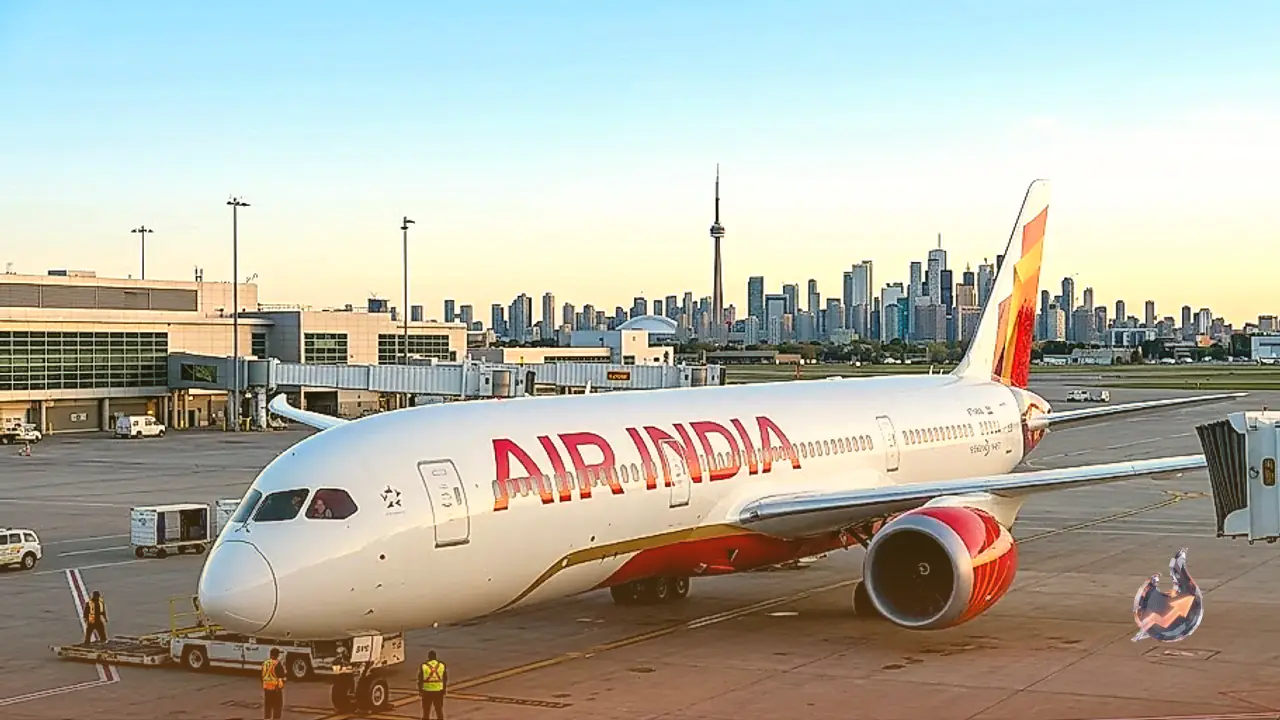
The operational overhaul relies entirely on the introduction of the modern Boeing 787-9 Dreamliner to the route, replacing the airline's older Boeing 777 aircraft. Previously, the Boeing 777 lacked the efficient long-range capacity to complete the grueling Delhi-to-Toronto sector in a single bound while carrying a full payload. Consequently, flights were forced to make a technical halt in Vienna, Austria, simply to refuel before crossing the Atlantic. The advanced engineering and superior fuel efficiency of the Boeing 787-9 Dreamliner completely eradicate the necessity for this European pitstop. The Dreamliner's composite structure and aerodynamic advancements allow it to cover the massive intercontinental distance effortlessly, providing travelers with an uninterrupted flight path that greatly reduces travel fatigue and minimizes the risk of transit-related delays.
Massive Reductions in Total Travel Time
For travelers flying from New Delhi to Toronto, the time savings are substantial and immediate. Under the previous schedule with the Vienna refueling stop, the outbound journey consumed roughly 20 hours from takeoff to final touchdown. With the implementation of the new direct routing, that duration will plummet to just about 17 hours. The return leg, operating from Toronto back to New Delhi, will continue to function as a non-stop service, maintaining its existing travel time of approximately 16 hours. The elimination of the three-hour refueling halt not only accelerates the journey but also significantly improves the overall passenger experience by removing the disruption of an intermediate landing, allowing passengers to sleep longer and adjust better to the severe time zone differences between South Asia and North America.
Daily Frequencies and Overcoming Geopolitical Hurdles
Alongside the introduction of non-stop routing, Air India is substantially ramping up its flight frequency on this specific sector. Currently, the airline operates five weekly flights between the two major cities. However, beginning August 1, this will be upgraded to a daily service, ensuring that passengers have maximum flexibility when planning their transcontinental itineraries. Earlier in the year, specifically throughout June and July, the airline was forced to temporarily scale back its flight operations on this route. This tactical reduction was primarily driven by soaring global aviation fuel prices and complex geopolitical situations that impacted international airspace and operating costs. With those temporary constraints now being actively managed, the return to a daily schedule indicates strong confidence in the route's profitability and passenger demand.
Elevated Cabin Configurations and Passenger Comfort
The deployment of the Boeing 787-9 Dreamliner brings a massive upgrade to the interior cabin experience, offering a three-class configuration designed to cater to modern traveler expectations. The aircraft is outfitted with 30 state-of-the-art Business Class private suites, giving premium flyers enhanced privacy, fully flat beds, and direct aisle access. Additionally, the cabin features 28 dedicated Premium Economy seats, providing a comfortable middle ground for travelers seeking extra legroom and upgraded service without the full Business Class price tag. The remaining 238 seats make up the standard Economy Class section. This balanced configuration ensures that whether passengers are traveling for high-stakes corporate business or visiting family across the globe, they are provided with a vastly superior, modern, and comfortable flying environment compared to the legacy aircraft it replaces.
Leadership Vision and North American Expansion Strategy
This route upgrade aligns perfectly with the sweeping transformation currently underway at the airline. Air India CEO and MD Campbell Wilson emphasized that the carrier is moving aggressively to integrate its newest aircraft and modernized cabin products across all of its most critical international routes. According to the chief executive, introducing the advanced Dreamliner on the Delhi-Toronto sector is a direct investment in the passenger experience, guaranteeing better connectivity and comfort for those traversing between India and Canada. Furthermore, this specific upgrade plays a crucial role in Air India's overarching strategy to aggressively expand and refine its premium service offerings throughout the highly competitive North American aviation market, setting the stage for future growth and fleet modernization.