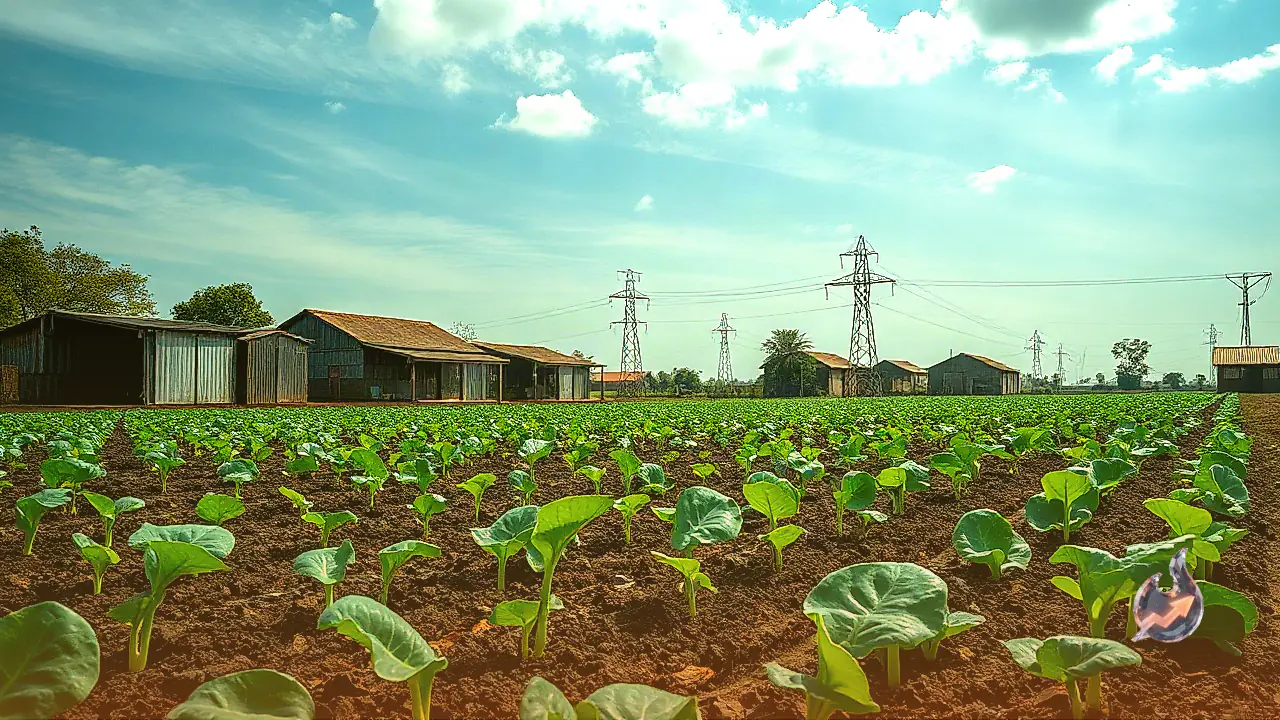
























As September begins, farmers across the country start preparing their fields for leafy vegetables, and spinach stands out as a crop that matures quickly and can bring in decent earnings. Growing spinach does not call for large plots of land or heavy investment, which is why small and marginal farmers can take it up just as easily as bigger growers. Since demand for spinach in the market stays steady through the year, sowing it correctly and on time in September can mean the first harvest is ready within just a few weeks.
Why September Works Well for Spinach
Shiv Shankar Verma, in-charge officer at the Rajkiya Krishi Kendra in Shivgarh, Raebareli district (BSc Agriculture, Dr Ram Manohar Lohia Avadh University, Faizabad), explains that spinach can be sown anytime from the start of September right through to the end of the month. During this period, rainfall gradually tapers off and temperatures begin to dip, creating conditions that suit spinach growth. However, sowing should not be rushed if water is still standing in the field, since spinach does best on land that drains easily. According to Verma, the single most important thing while sowing spinach in September is making sure the field never gets waterlogged.
Preparing the Field and the Right Soil
Loose, fertile soil works best for a healthy spinach crop. The field should first be ploughed thoroughly and levelled out. Mixing in well-rotted cow dung manure or compost at this stage significantly boosts the soil's fertility. After that, it is better to form small plots or raised beds rather than sowing across one large stretch, since beds make both irrigation and drainage of excess water much easier to manage.
Choosing Seeds and the Correct Sowing Method
A healthy crop starts with using only certified seed varieties. It also helps to clean the seeds and treat them in the right quantity before sowing. Seeds should not be placed too deep in the soil; instead, they should be sown in lightly moist soil and covered with only a very thin layer of soil on top. Verma points out that sowing in straight lines makes later weeding and irrigation much simpler. Keeping adequate spacing between plants also ensures they get enough air and sunlight, which helps them grow better.
Getting Irrigation Right
The first watering right after sowing should always be light. Spinach roots do not go very deep, so the field needs consistently moist soil. But overwatering can lead to waterlogging, which causes the roots to rot and brings on other problems. If it rains, farmers should check the field's moisture level before irrigating again, so they don't end up flooding it further.
Keeping Weeds and Pests Under Control
Weeds tend to spring up fast during spinach's early growth stage, so the field needs to be weeded regularly. Weeds draw away the nutrients and moisture meant for the spinach plants, which directly affects how well the crop grows. If leaves start showing signs of pests or disease, farmers should avoid using any medicine on their own and instead apply only an approved organic or chemical treatment recommended by an agriculture expert.
How to Take the First Harvest
When sown correctly, spinach can be ready for its first harvest just a few weeks after sowing. Verma advises that instead of pulling the whole plant out by its roots during the first harvest, farmers should only cut the leaves from the top. This lets the plant sprout fresh leaves again, meaning a single sowing can give farmers several rounds of harvest and keep the income flowing for a longer stretch.