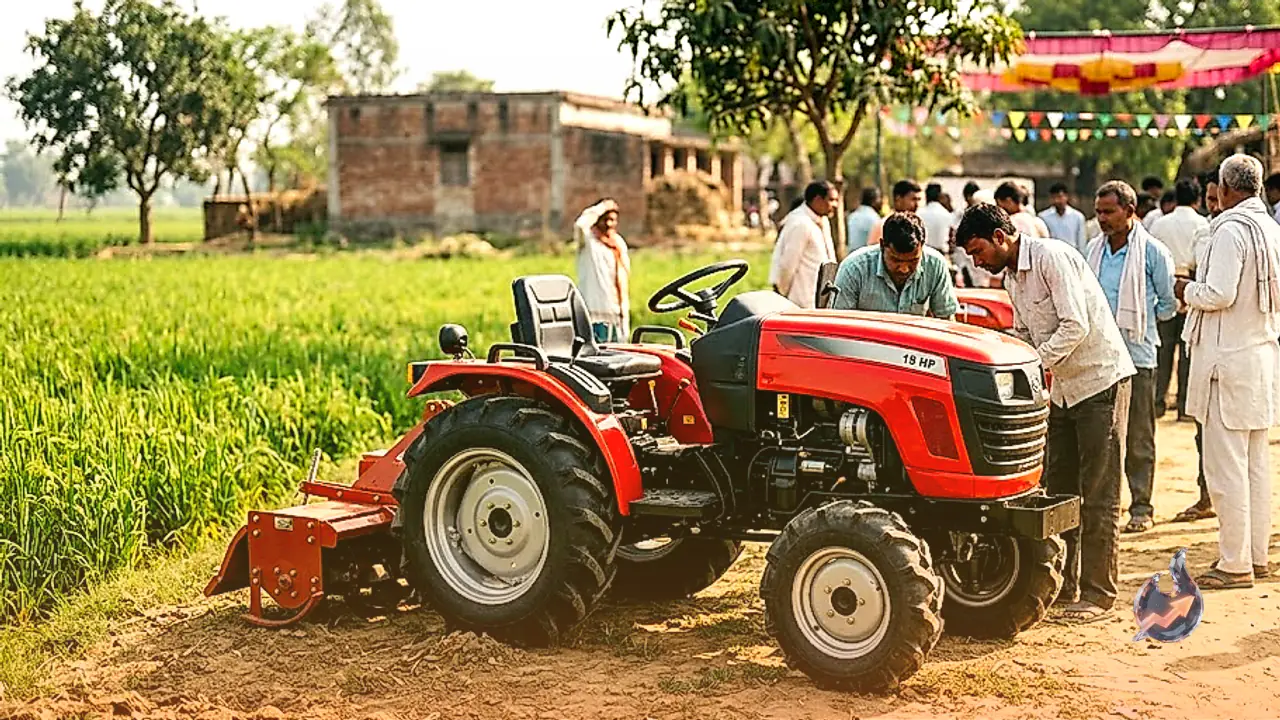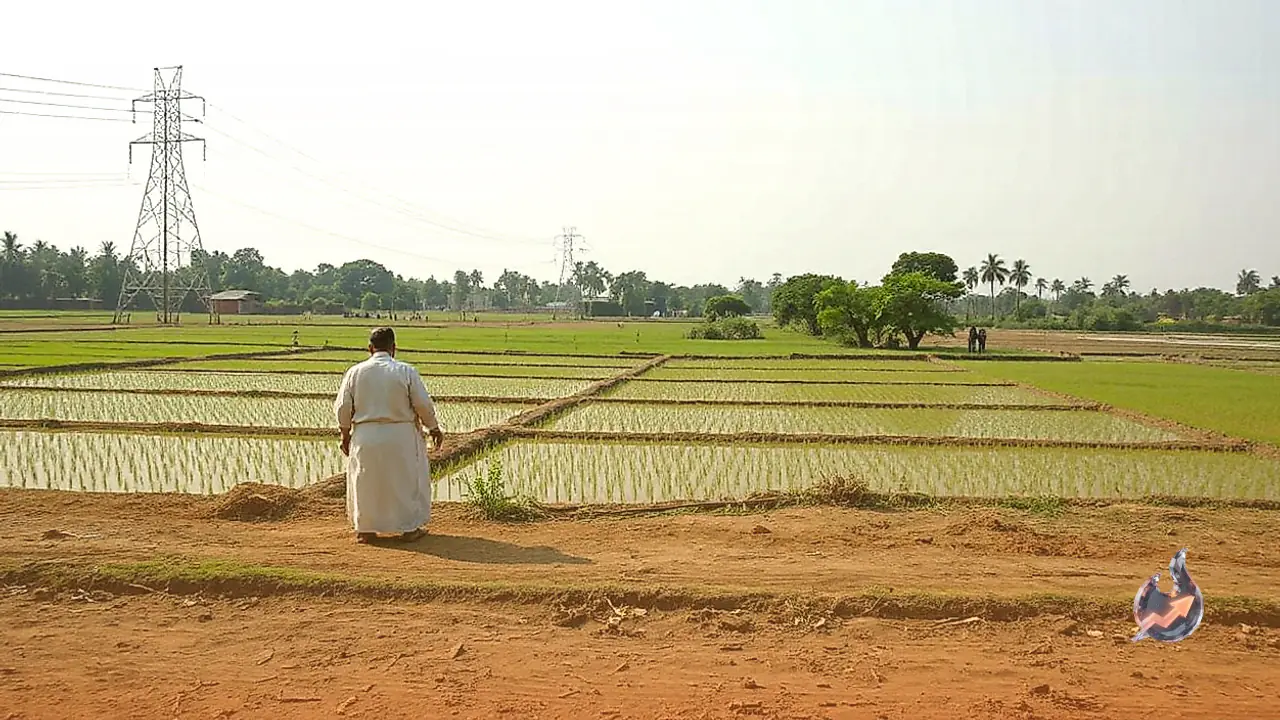






















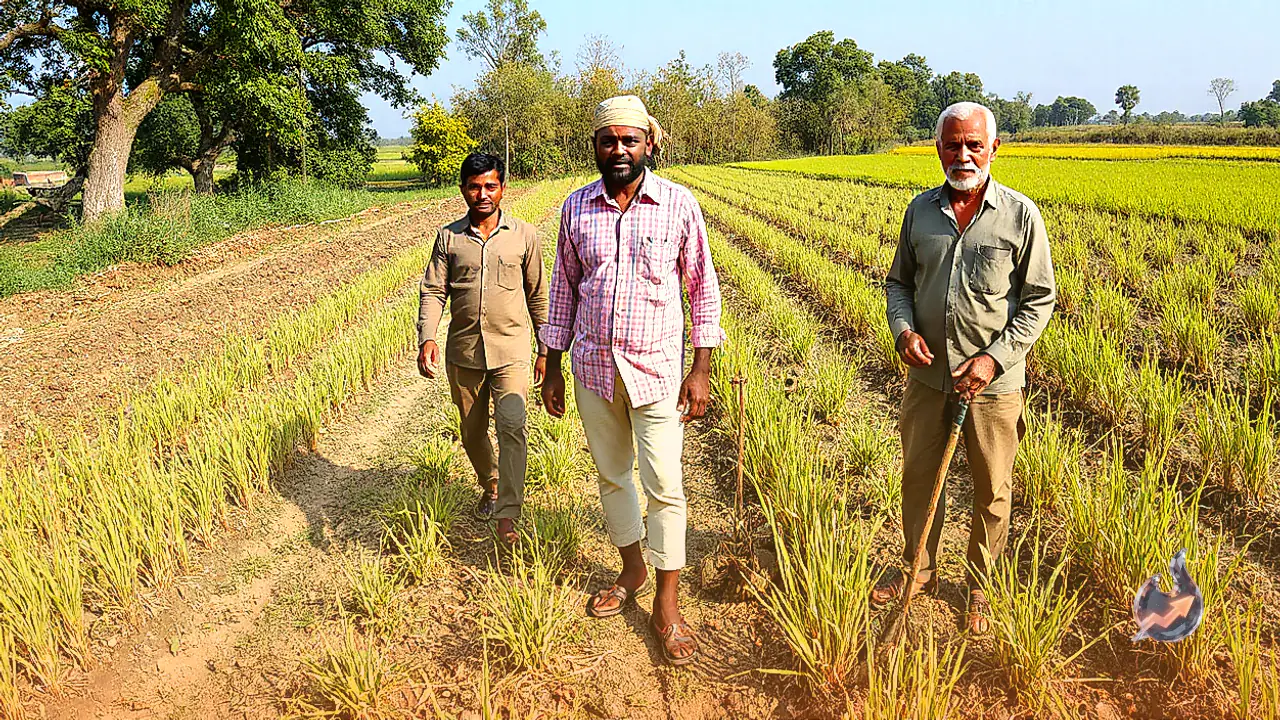

Breaking away from traditional farming methods to embrace modern and profitable agriculture, a farmer from Bihar has set a remarkable precedent. Dinesh Mahto, a resident of Madanpur in Sitamarhi district, has transformed conventional farming through meticulous management. He is currently cultivating the rural variety of parwal on roughly 18 katha of land. He embarked on this agricultural venture three years ago, following the advice of a relative and Amrish Ji. Initially, he brought about 200 plants, which served as the cornerstone of his current success.
Developing Self-Sustained Nurseries and Expanding Acreage
Dinesh Mahto no longer relies on outside help for planting materials, as he now prepares parwal nurseries independently right in his fields. By pruning vines from his existing plots, he steadily expands his cultivation area over time. Witnessing his dedication, many neighboring farmers are drawing inspiration and adopting similar agricultural practices. Notably, whenever a needy fellow farmer approaches him for plants or vines, he provides them completely free of charge to support their endeavors.
Daily Bumper Yields and Impressive Profit Margins
From his 18 katha crop, Dinesh harvests roughly one quintal of parwal every single day. Driven by strong market demand, the current wholesale price of parwal ranges between 4,000 and 4,500 rupees per quintal. After deducting all labor and operational expenses, he secures a net daily saving of approximately 3,000 rupees. He continuously harvests parwal for about five months each year, resulting in substantial financial returns.
Year-Round Crop Rotation for Continuous Income
Once the primary parwal season concludes, Dinesh ensures his fields never remain idle. Leaving the main root systems intact, he cultivates seasonal vegetables such as cauliflower, potatoes, and beetroot in the same plots. During the winter months, these secondary crops mature within two to three months and head straight to the market. Afterward, he rearranges the parwal vines to prompt a fresh cycle of fruiting. By practicing this multi-crop rotation on the same land throughout the year, he secures a steady and continuous stream of income.