






















Following the implementation of the free trade agreement between India and the US, industry exports suggest that India's total exports to the United Kingdom could see an unprecedented surge. The bilateral trade deal between India and the UK became effective on July 15. This landmark agreement indicates that the volume of trade currently shared between the two nations is projected to double over the next four years, offering immense growth prospects and financial benefits for Indian businesses in the coming years.
Economic Projections and Job Creation
According to data released by the industry body ASSOCHAM, the total trade between India and the UK stood at approximately 58 billion dollars during the financial year 2025-26. However, once Indian products are completely freed from tariff barriers, this trade volume is projected to scale up to 115 billion dollars by the year 2030. Nirmal K. Minda, President of ASSOCHAM, emphasized that this trade deal opens up massive business opportunities for India. Apart from boosting domestic manufacturing, the agreement is expected to generate significant employment, adding between 700,000 and 1,000,000 (7 to 10 lakh) new jobs in the market.
Duty-Free Access for Key Sectors
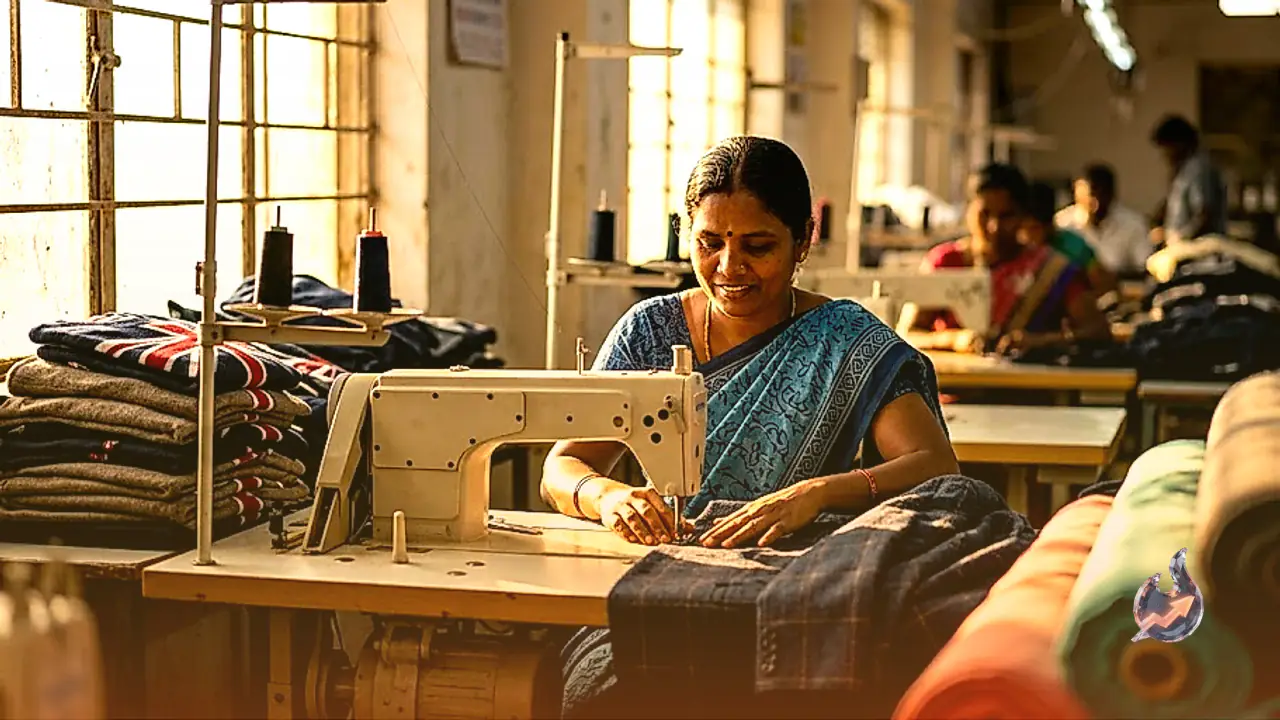
One of the major highlights of this trade agreement is that nearly 99 percent of Indian goods will get duty-free entry into the UK market. This will significantly benefit a wide array of sectors, including textiles, leather and footwear, gems and jewelry, auto components, engineering goods, pharmaceuticals, marine products, tea, coffee, spices, processed food, and ceramics. Additionally, the agreement will open up a highly lucrative market for India's small and medium enterprises (SMEs), allowing them to expand their footprint in a major global economy.
Benefits for Professionals and Major Corporations
For Indian professionals working in IT and financial services, this deal will facilitate easier job hunting in the UK. Furthermore, Indian professionals working there will no longer be required to make double social security contributions, which will effectively reduce their cost of operations and living.
On the corporate front, major textile players like Welspun India, Arvind Limited, and Trident are set to benefit immensely from this deal. In the gems and jewelry sector, companies like Titan and Kalyan Jewellers will see a positive impact on exports. Additionally, auto component manufacturers like Bharat Forge and Motherson; pharmaceutical giants like Sun Pharma, Dr. Reddy's, and Lupin; and leading IT sector firms including TCS, Infosys, HCL Tech, and Wipro are well-positioned to expand their international operations.