























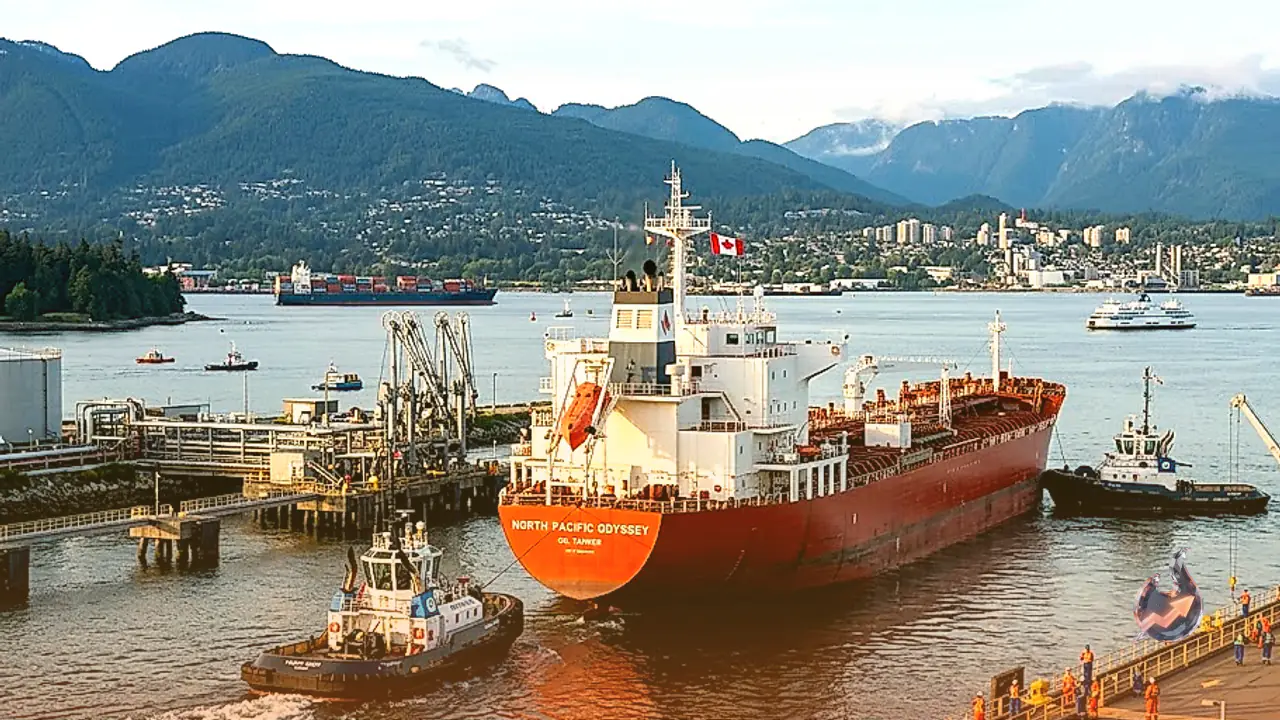

In response to mounting maritime risks and trade bottlenecks in the Strait of Hormuz, Japan has initiated a strategic shift in its global energy procurement strategy. On Wednesday, a massive tanker carrying up to 750,000 barrels of Canadian crude oil departed from Vancouver, marking the first such major shipment to Japan following 2025. The oil was purchased by Eneos, Japan's primary refining operator, and delivered through Canada's Trans Mountain Pipeline (TMX). The Marshall Islands-flagged vessel, named Freedom Groli and chartered by ExxonMobil, highlights Asia's urgent push to find reliable alternative crude suppliers amid escalating Middle Eastern instability.
Middle East Conflict Triggers Urgent Supply Pivot
For decades, Japan depended overwhelmingly on Gulf exporters, importing more than 90 percent of its crude oil requirements through the narrow Strait of Hormuz, primarily sourced from Saudi Arabia and Qatar. However, the onset of hostilities in February involving the United States, Israel, and Iran drastically altered global shipping safety. Frequent attacks on commercial tankers along the vital Persian Gulf transit corridor created severe delivery delays and drove international oil prices sharply higher. Recognizing the extreme vulnerability of its energy security, Japanese refiners began exploring non-Gulf options to safeguard their domestic fuel requirements.
Economic Drag and Shifting Trade Dynamics across Asia
The economic consequences of persistent oil price spikes have already begun weighing heavily on Japan's broader fiscal health. On Thursday, Japanese authorities revised down the country's official annual GDP growth projection from 1.3 percent to 0.9 percent, directly citing the inflationary pressure and supply disruptions caused by the crisis. Japan is not alone in seeking alternatives; Asian buyers collectively consumed roughly 77 percent of all crude exported from Vancouver this year, a substantial surge compared to 51 percent recorded in 2024. Nations including India, Malaysia, and Singapore have likewise resumed drawing crude supplies from Canada via the TMX system to mitigate Middle Eastern risk.
The Role of Canada's Trans Mountain Pipeline
A key backbone of this new trade link is Canada's Trans Mountain Pipeline (TMX), which transports crude oil across a distance from Alberta province to the Burnaby Marine Terminal in British Columbia. Operated under Canadian federal government ownership, TMX boasts a daily throughput capacity of 890,000 barrels and has maintained operations at approximately 90 percent capacity since the third quarter of 2025. The pipeline moves a versatile blend of heavy and light crude grades, which Japanese refiners like Eneos can efficiently process into essential petroleum products, including petrol and diesel.