


















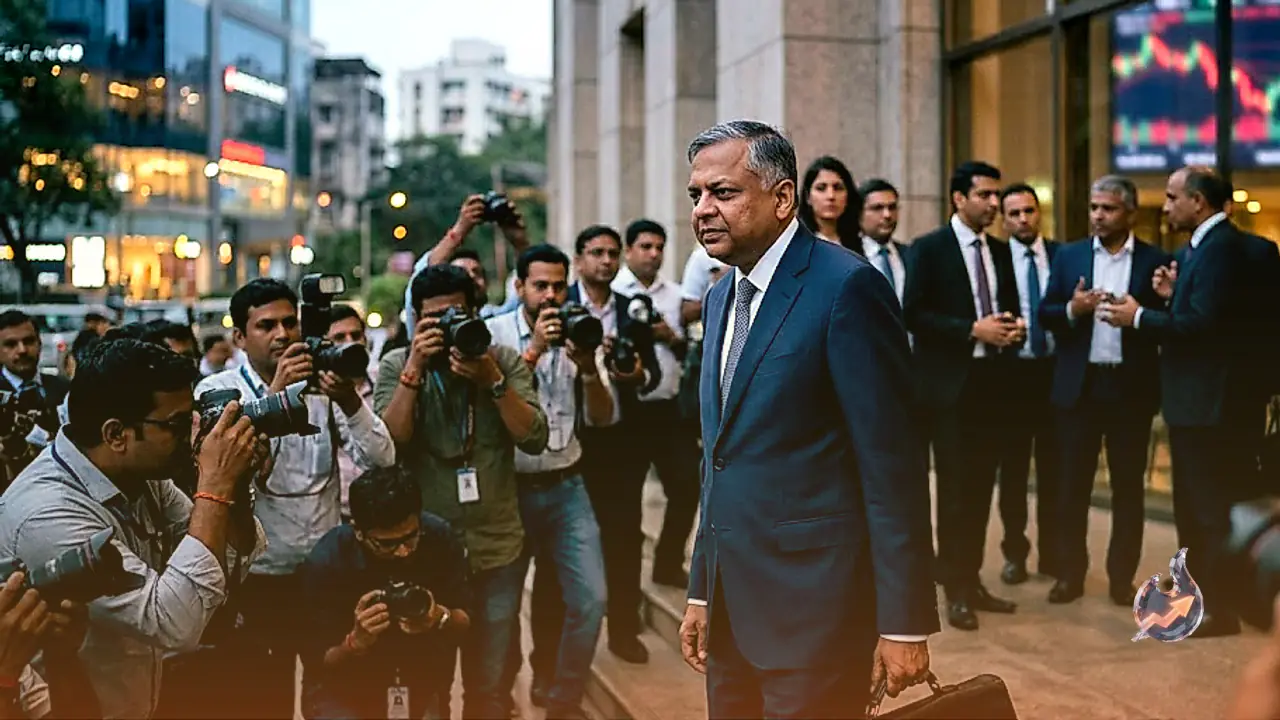

A major turning point has arrived at India's oldest and largest business house. N Chandrasekaran has decided to walk away from the chairmanship of Tata Sons at the close of his current term, and that single choice has pushed succession, governance and the group's future strategy back to the top of every investor's mind. He handed in his resignation on August 12, 2026, but will stay on until February 2027 and will not put his name forward for another term.
The timing makes the moment a delicate one. Tata Sons is the holding company that sits above the entire Tata group, with interests spanning technology, automobiles, steel, consumer goods, airlines, hotels, power and financial services. Because of that reach, a change at the very top can shift the mood around several listed Tata companies at once.
Stocks under pressure as the news spread
Shares of the group's leading firms slipped soon after the development surfaced on August 12. Tata Consultancy Services was trading roughly 4% lower, while Tata Motors Passenger Vehicles and Tata Consumer Products also gave up ground. The selling reflected investor worry about continuity at the holding company and about how the group will steer its next round of capital spending.
Who Chandrasekaran is
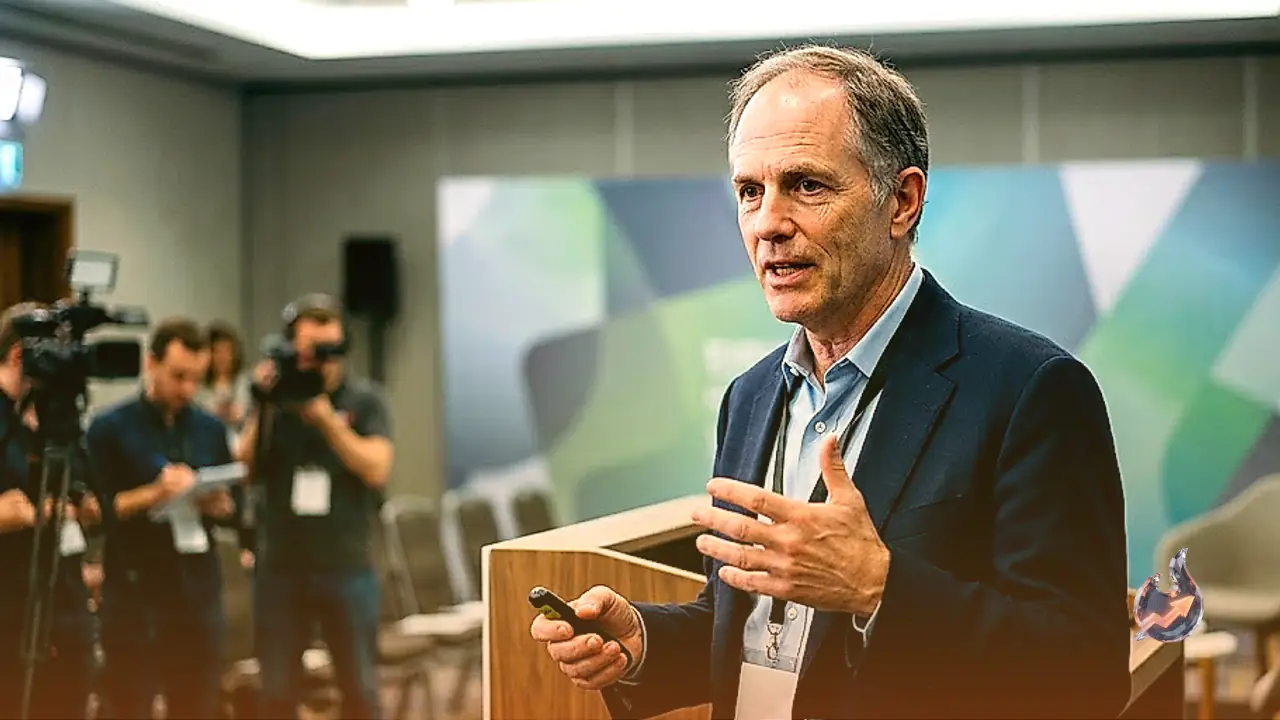
Chandrasekaran, known across the business world simply as Chandra, has run Tata Sons since 2017. He was brought in after one of the most turbulent chapters in the group's history, handpicked by the late Ratan Tata. Long before he took charge of the holding company, he spent decades at Tata Consultancy Services, rising to become its chief executive in 2009.
His years at Tata Sons lined up with a string of bold, high-stakes decisions. They included the group's return to the airline business through Air India, deeper bets on electronics and digital ventures, a push into electric vehicles and plans to build semiconductors. Alongside all of this, the group had to juggle the heavy capital demands of both its legacy businesses and its newer ones.
The biggest question for investors
For those in the public markets, the real question is not only who steps into Chandrasekaran's shoes. It is also whether the next chairperson keeps up the same investment-heavy playbook or leans toward a more cautious stance on debt, restructuring and fresh business bets. That uncertainty is exactly what will keep Tata group stocks under a close market watch in the days ahead.
A backdrop of friction with Tata Trusts
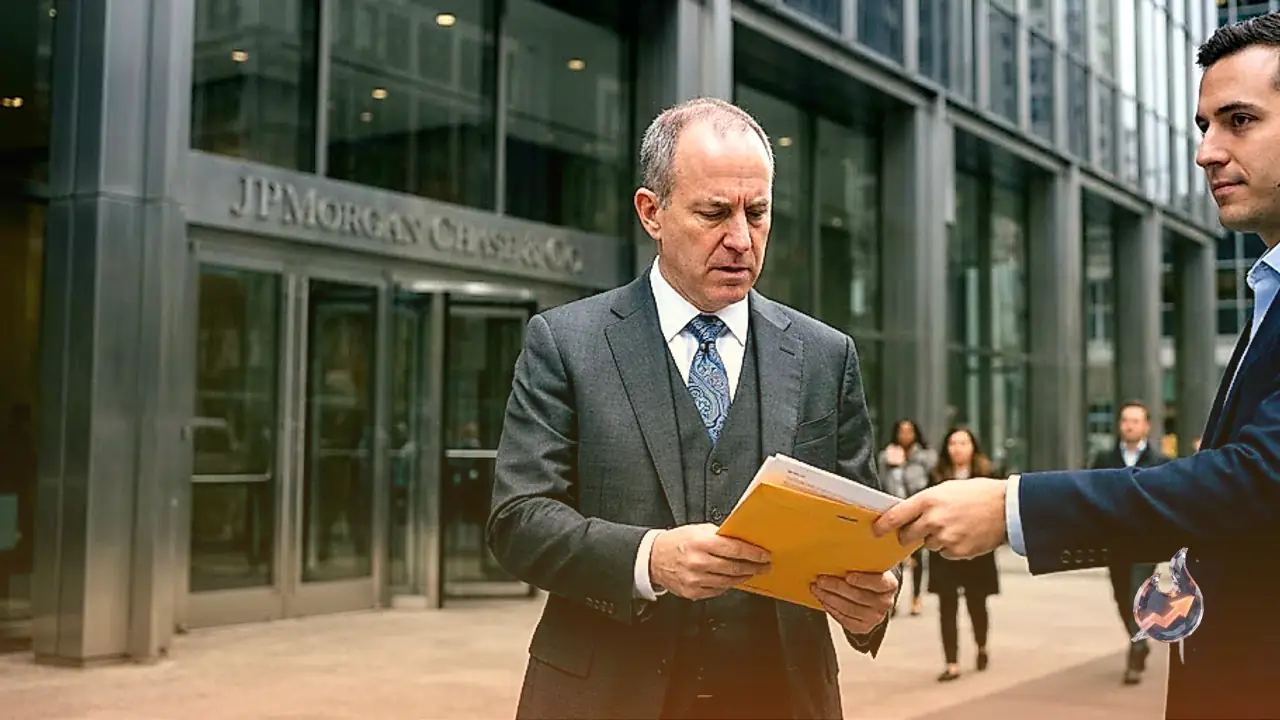
This leadership decision plays out against reported differences between Tata Sons and Tata Trusts. Tata Trusts holds a majority stake in Tata Sons and occupies a central place in how the group is governed. Noel Tata, who chairs the group's philanthropic arm Tata Trusts, had opposed Chandrasekaran's reappointment back in February.
The Tata Sons board meeting that was expected to clear his third term had already been pushed back earlier in 2026. Noel Tata was said to have sought assurances on keeping debt in check, on avoiding a public listing of Tata Sons, and on settling matters tied to the Shapoorji Pallonji Group, a minority shareholder in Tata Sons.
None of these issues are new. Tata Trusts and Tata Sons have long differed over board representation, over strategy, and over how to handle the proposed exit of the Shapoorji Pallonji Group. The fresh resignation only makes these questions more pressing, because whoever comes next will need the confidence of both the operating companies and the controlling shareholder structure.
Another significant departure
Vijay Singh, a trustee of the Sir Ratan Tata Trust, has also stepped aside ahead of the end of his term. He told the trust that he did not wish to be considered for reappointment. Coming when the group is already navigating a change of leadership at the very top, this adds one more governance development to the pile.
A defined window for the handover
By choosing to serve out his term, Chandrasekaran hands Tata Sons a clearly defined transition window. That should help limit operational disruption, especially since the group is carrying large ongoing commitments across aviation, manufacturing, technology and consumer businesses. Even so, the market will want clarity on the succession process well before February 2027 arrives.
The annual general meeting set for August 18 had been shaping up as a key event, because shareholders were due to vote on his reappointment. Ahead of that meeting, Chandrasekaran had discussed the possibility of stepping down with close associates, according to information that emerged on August 12. His decision now rewrites the group's immediate agenda.
Day-to-day work stays largely unaffected
The Tata group's listed companies are run professionally, and their daily operations do not hinge on the Tata Sons chairman alone. Yet the holding company shapes the broad strategic direction, the big investments, the capital allocation and the portfolio priorities. That is precisely why leadership continuity at Tata Sons carries real weight in the equity markets.
TCS remains the group's most valuable listed company and a major generator of cash. Tata Motors, Tata Steel, Titan, Tata Power, Indian Hotels and Tata Consumer Products, among others, are also tracked closely by institutional and retail investors alike. Their own fundamentals stand on their own, but the transition at Tata Sons can still colour sentiment across the whole group.
The three things investors will now track
From here, investors will keep a close eye on three areas: the formal succession process, the stance Tata Trusts takes, and whether Tata Sons hints at any shift in strategy. Clarity on these points could help steady sentiment. A lack of it may keep volatility high, particularly in the group companies tied to large capital expenditure plans.
Chandrasekaran's exit marks the end of a meaningful phase for the Tata group, but not an immediate break in its operations. With his term running through February 2027, the group has time to manage the handover. The tougher test will be whether Tata Sons can bring governance, succession and strategy into line without unsettling investors any further.