



















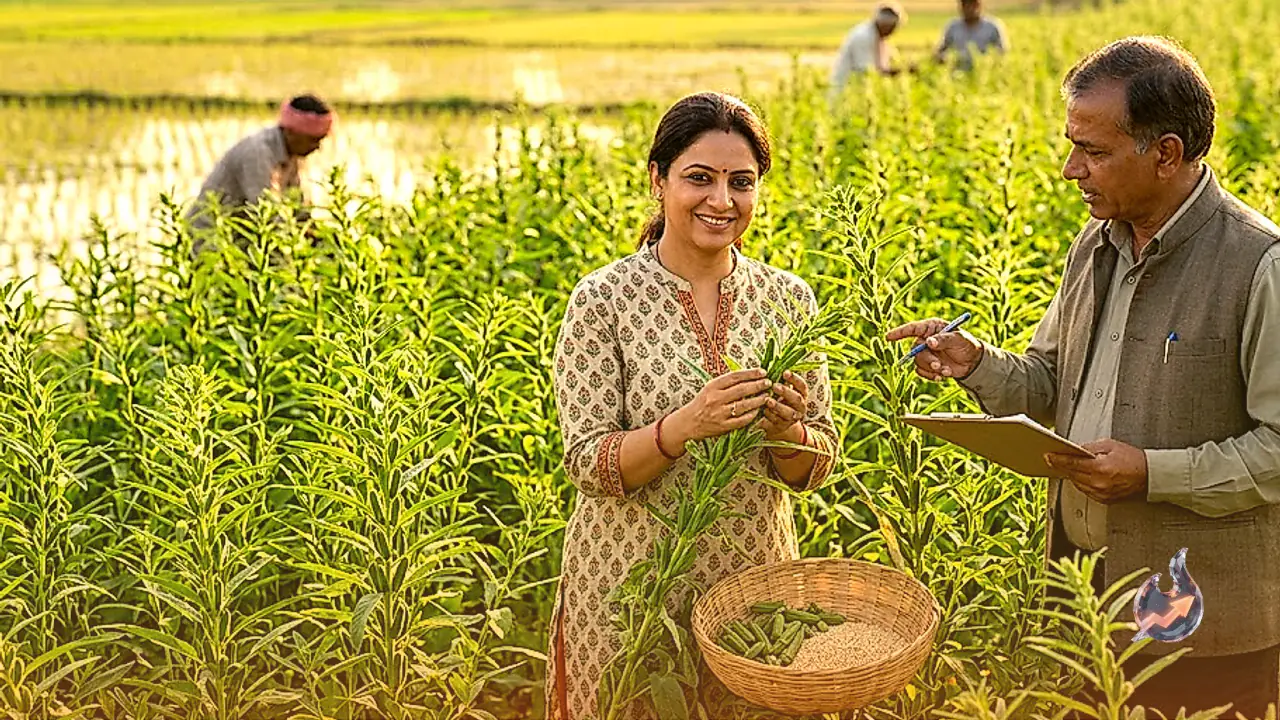

In Sultanpur, agricultural experts have identified sesame cultivation as a highly advantageous strategy for farmers during the Kharif season. According to Dr. Surya Prakash Mishra, a scientist at the Krishi Vigyan Kendra in Sultanpur, sesame stands out as an oilseed crop that thrives with minimal water and limited investment. When compared to conventional crops like paddy, sesame provides a more cost-effective cycle, provided that farmers adhere to the recommended scientific cultivation practices.
Preparation and Soil Requirements
July is the ideal month for sowing sesame seeds. The crop flourishes best in loamy and sandy-loam soils, provided there is efficient water drainage. Proper field preparation involves tilling the soil two to three times until it achieves a fine tilth, followed by leveling the ground with a planking board. To boost soil fertility, it is crucial to incorporate 5 to 7 tons of well-decomposed cow manure per hectare before sowing. Farmers should prioritize using certified and disease-free seeds to ensure a healthy start to the crop cycle.
Nutritional Management and Irrigation
Dr. Surya Prakash Mishra emphasizes that providing balanced nutrition is vital for strong crop growth and maximizing pod production. Conducting a soil test before cultivation is highly recommended. Irrigation management requires careful attention; while light watering is necessary during periods of low rainfall, farmers must prevent waterlogging at all costs. Standing water increases the risk of root rot and makes the plants more susceptible to various diseases. To maintain soil health and remove weeds, the first weeding and hoeing session should be done 20 to 25 days after sowing, followed by a second session at the 35 to 40-day mark.
Pest Control and Harvest
Sesame crops are occasionally prone to infestations such as aphids (mahu), leaf spot disease, and phyllody. To protect the harvest, farmers should conduct regular field inspections. Promptly removing and destroying any diseased plants can prevent further damage to the field. With proper care and timely intervention, the sesame crop reaches full maturity in approximately 85 to 100 days, allowing farmers to harvest and market their produce within a short time frame.