





















While the arrival of the monsoon brings welcome relief from scorching summer temperatures, it simultaneously presents severe health hazards for livestock and the dairy farming sector. Persistent high humidity, fluctuating ambient temperatures, and localized waterlogging around animal shelters create ideal breeding conditions for harmful bacteria, viruses, and parasites. When dairy farmers overlook shelter hygiene, nutritional balance, physical layout, and preventive medical schedules during this rainy phase, livestock experience rapid physical weakness, leading to steep drops in daily milk yields. In severe cases, unmanaged contagious outbreaks can cause sudden animal fatalities. Consequently, implementing structured, scientifically sound care routines is vital for safeguarding livestock health and protecting farm earnings throughout the rainy months.
Major Viral and Bacterial Threats During the Rainy Season
Detailing the heightened disease risks during heavy rains, Veterinary Hospital In-charge Dr Brihaspati Bharti explains that humid weather accelerates pathogen growth in animal environments. During this season, cattle are particularly vulnerable to serious contagious conditions including Hemorrhagic Septicemia, paralysis (hemiplegia), Black Quarter, and Foot-and-Mouth Disease. Beyond direct bacterial and viral threats, parasitic vectors such as snails and slugs multiply rapidly in moist surroundings. Because these organisms serve as intermediate hosts for dangerous internal parasites, preventing stagnant water accumulation around farm premises is essential to eliminate primary infection vectors.
Understanding Internal and External Parasitic Infections
According to Dr Brihaspati Bharti, dairy cattle encounter two distinct categories of parasite threats during the monsoon: internal parasites and external parasites. Among internal parasites, Fascioliasis, commonly known as liver fluke, poses a critical danger. Animals contract this infection by ingesting contaminated drinking water or infested green fodder. Once inside, the fluke attacks liver tissue, inducing rapid weight loss, lethargy, and a drastic decline in milk output. Additionally, intestinal and stomach worms absorb vital nutrients within the digestive tract, rendering cattle weak and severely anemic.
On the other hand, external parasites include ticks, lice, and fleas that attach to the animal's skin to feed on blood. These vectors transmit severe blood-borne protozoan diseases such as Babesiosis and Theileriosis. Affected cattle suffer from spiking body temperatures and pass distinctly reddish urine. If professional veterinary intervention is delayed, these systemic blood infections can rapidly become fatal.
Dairy Farm Housing Layouts: Head-to-Head vs. Tail-to-Tail
The structural layout used to tether cattle inside dairy barns significantly influences how easily infections spread across a herd. Dairy operations generally utilize one of two primary housing configurations: the Head-to-Head system or the Tail-to-Tail system.
In a Head-to-Head layout, animals face inward toward each other across a shared central passage. The principal advantage of this design is labor efficiency, as farm handlers can distribute fodder and water to cattle on both sides simultaneously from a single aisle. However, this arrangement carries notable biosecurity drawbacks during disease outbreaks. Because animals face one another in close proximity, respiratory droplets, exhaled air, and nasal secretions easily transmit airborne viral and bacterial pathogens from infected individuals to healthy herd members.
Conversely, the Tail-to-Tail layout positions cattle facing outward toward exterior walls, with their tails facing inward along a central drainage channel. This configuration greatly simplifies dung management, daily barn cleaning, and milking operations. Most importantly, because direct face-to-face contact is eliminated, the risk of cross-transmitting airborne respiratory and contagious infections between animals drops substantially.
Different Structural Requirements for Rural and Urban Dairy Farms
Highlighting the practical applications of both barn layouts, Dr Brihaspati Bharti notes that farmers should select housing systems based on geographical factors and available resources. Rural farming setups typically benefit from larger spatial footprints where streamlined feed distribution and reduced labor demands are primary concerns. In these environments, the Head-to-Head system often proves highly practical.
In contrast, urban and semi-urban dairy units operate within constrained physical footprints and must adhere to strict sanitation and environmental regulations. For these commercial operations, the Tail-to-Tail system is far more effective. It optimizes ventilation, facilitates thorough waste removal, and maintains hygienic milking standards in tight quarters, thereby keeping disease transmission under tight control.
Managing Calving Season, Mastitis, and Udder Health
The monsoon season coincides with the primary calving period for buffaloes, which naturally elevates overall milk production capacity across dairy farms. However, this high-yield phase also brings a sharp increase in udder infection risks, most notably Mastitis. Protecting udders and hooves requires keeping barn environments consistently clean, dry, and well-ventilated.
Livestock owners must ensure animals are tied on elevated ground away from standing mud or dirty runoff. Installing dry bedding materials such as straw or dried grass on concrete floors prevents moisture accumulation. Prolonged contact with mud and filthy water softens hooves, causing foot rot and allowing environmental bacteria to invade udder tissue, triggering destructive Mastitis outbreaks.
Balanced Diet, Deworming, Vaccination, and Disaster Safety
High atmospheric moisture during the rainy months accelerates mold growth on stored feed supplies. Farmers must never feed moldy or decaying fodder to livestock, as ingested toxins can cause severe gastrointestinal disorders and systemic poisoning. Cattle diets should maintain a balanced ratio of clean dry fodder and fresh green forage, supplemented daily with essential mineral mixtures and an uninterrupted supply of clean drinking water.
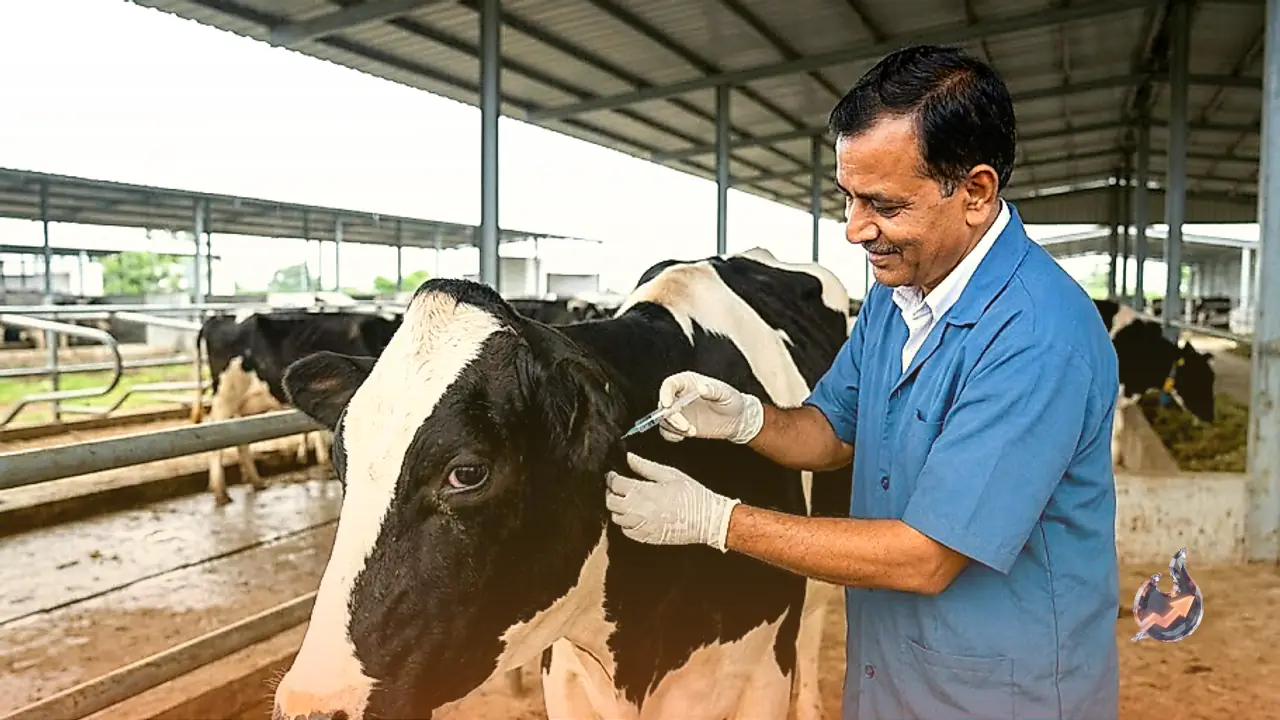
From a preventative medical standpoint, regular internal deworming protocols should be administered to keep intestinal parasite loads under control. Furthermore, advance vaccination against Hemorrhagic Septicemia and Foot-and-Mouth Disease must be completed before the monsoon peaks to build strong immunity across the herd.
Finally, disaster precautions must not be overlooked during heavy rain and thunderstorms. Livestock should never be tied beneath large isolated trees, near iron boundary posts, metal fencing, or high-voltage electrical infrastructure. Lightning strikes and electrical grounding accidents present severe hazards during stormy weather. Adopting these comprehensive management practices ensures strong cattle health, minimizes veterinary overhead, and guarantees uninterrupted milk production throughout the monsoon.