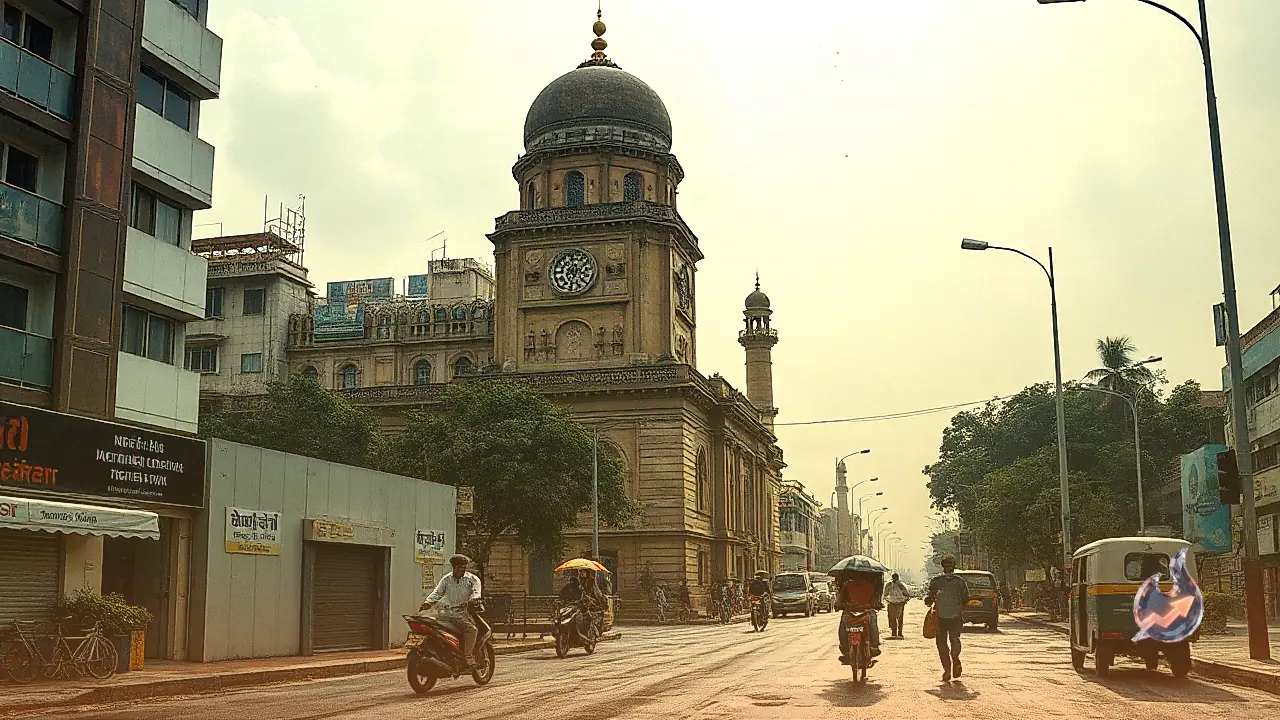






















A major infrastructure overhaul is on the horizon for North Delhi's Burari area, aiming to resolve decades of poor road connectivity and monsoon waterlogging. The government has cleared a massive Rs 125 crore upgrade project designed to transform the local transit and drainage ecosystem. The initiative will directly benefit nearly 1.5 million residents in Burari along with hundreds of thousands of commuters navigating the peripheral road network every day.
Tackling Severe Waterlogging and Years of Urban Neglect
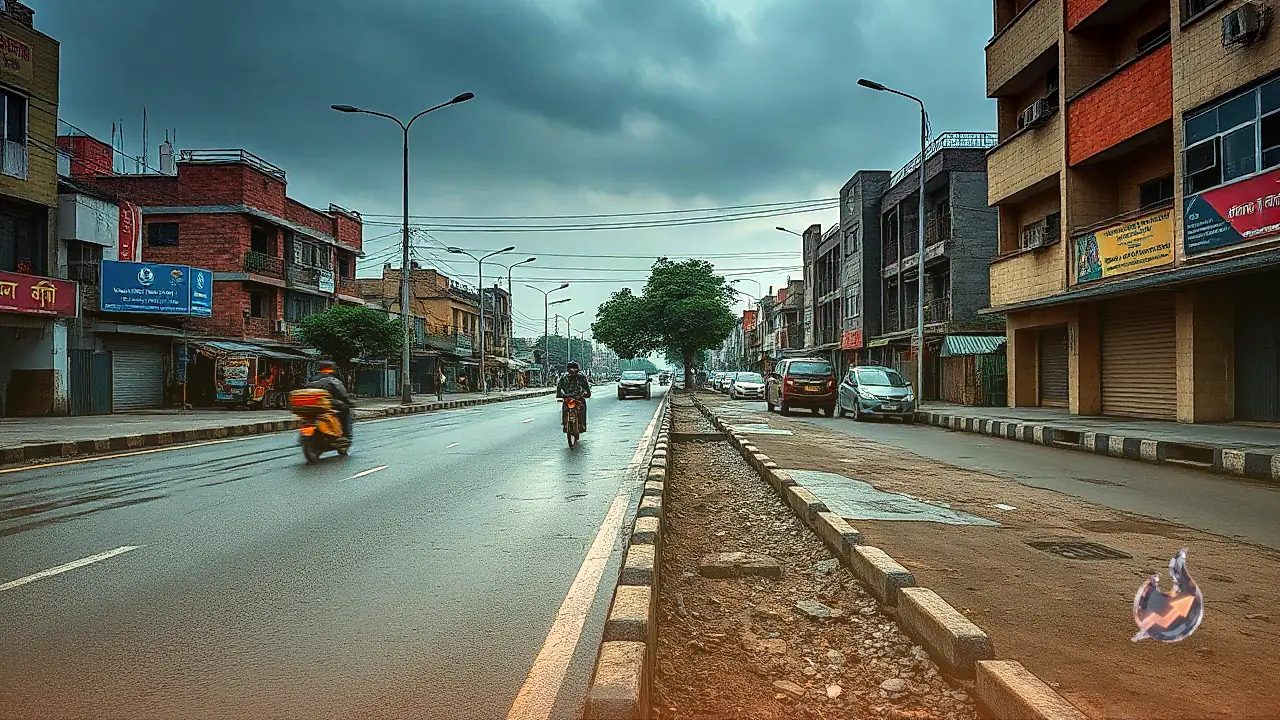
Burari has long struggled with decaying road surfaces, severe water stagnation, and fragile civic infrastructure. The conditions had deteriorated to the point where the locality was critically compared to Pakistan's Rawalpindi, a city frequently cited among the world's most unsanitary urban centres. Monsoonal downpours routinely submerged arterial routes, bringing vehicular movement to a halt and leaving daily commuters stranded in deep mud and sewage overflow. In response to these persistent civic grievances, the Public Works Department has prepared an integrated blueprint combining surface road reconstruction with heavy-duty storm-water drainage networks.
Three-Phase Road Development Spanning 7.1 Kilometres
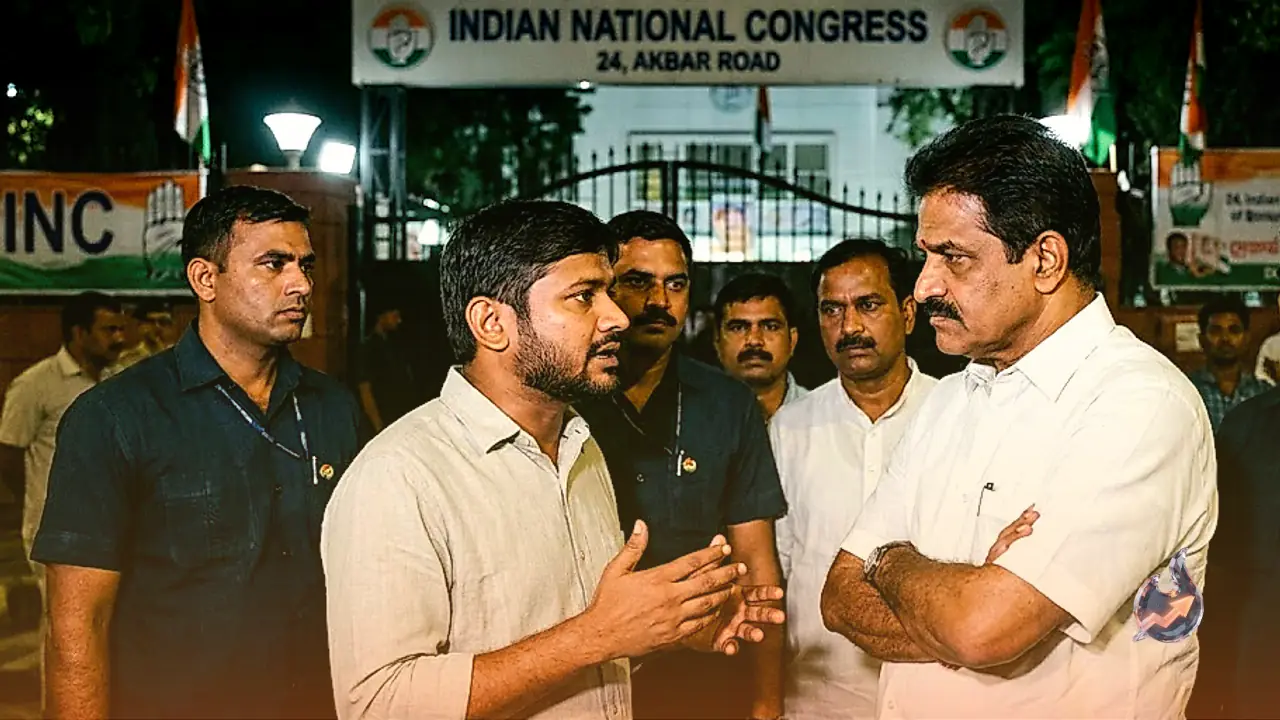
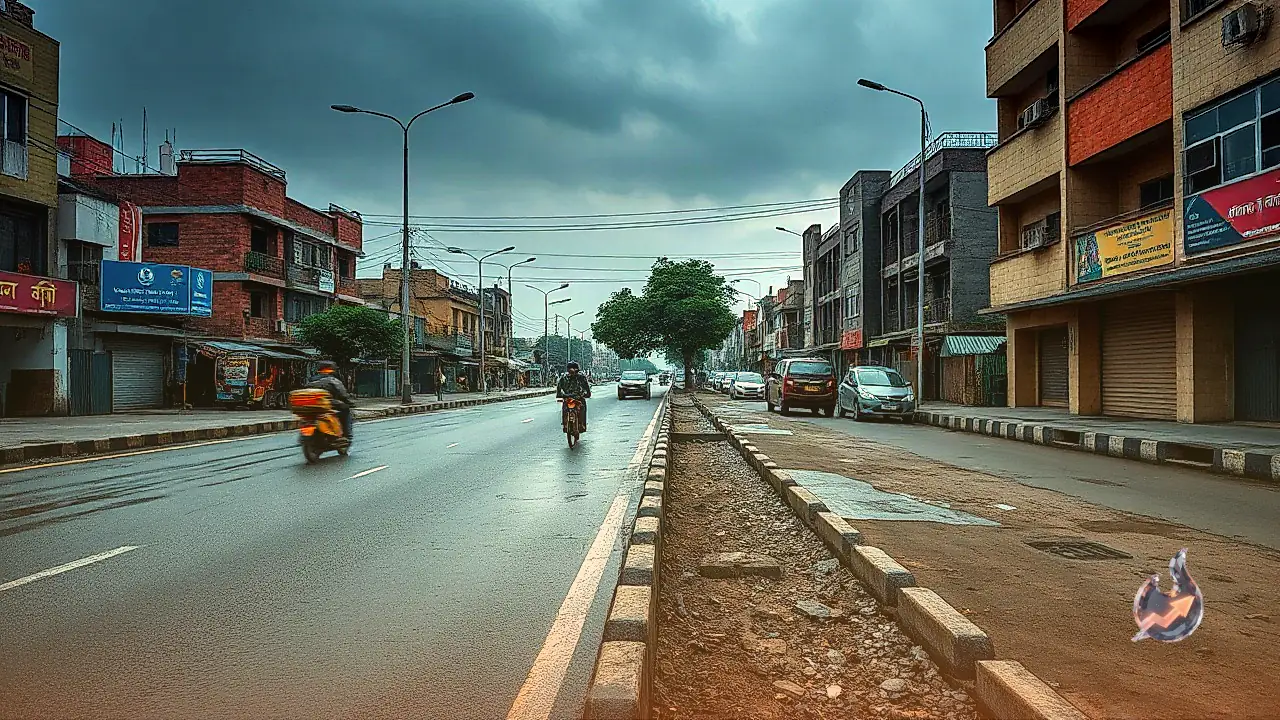
Following a recent site inspection of Burari Road and adjoining drain channels, PWD Minister Parvesh Sahib Singh Verma directed officials to carry out a coordinated upgrade of the entire transit corridor. Under this master plan, the 7.1 km main stretch of Burari Road will undergo targeted engineering across three distinct zones.
The initial segment extending from Outer Ring Road to Baba Colony will be laid using a bituminous surface. Moving inward, the 3.9 km corridor connecting Baba Colony to Nathupura will be built as a reinforced cement concrete road with an allocated budget of Rs 39 crore to withstand heavy load and water exposure. The remaining link from Nathupura to Hiranki will also be upgraded as a bituminous road with an estimated outlay of approximately Rs 9 crore. To streamline traffic movement and enhance road safety, engineers will install a continuous central verge along the entire 7.1 km stretch.
Rs 75 Crore Allocated for 9.3 Km Drainage Infrastructure
Recognizing that newly paved roads cannot survive without efficient runoff management, the authorities are dedicating the bulk of the expenditure, amounting to Rs 75 crore, toward a 9.3 km storm-water drainage network. Dedicated parallel drains will be laid on both sides of the roadway between Amrit Vihar and Bengali Colony. Additionally, extensive drain restoration and realignment will be carried out on the stretch from Swaroop Nagar Mor up to Burari Creek.
According to departmental officials, the tendering phase for the drainage components has already been completed, while competitive bids for the road reconstruction packages are scheduled to be released within the next 10 days.
Mandatory Dust Suppression and Quality Benchmarks
Minister Verma stressed that executing agencies must maintain tight inter-departmental coordination and strict quality benchmarks throughout the project timeline. The instructions emphasize creating lasting civic solutions rather than temporary stopgap repairs that force recurrent digging.
To mitigate environmental hazards during excavation and civil construction, contractors will be required to carry out routine water sprinkling across all active zones. This dust-control measure aims to minimize particulate pollution for nearby residential clusters and daily commuters while construction proceeds across the corridor.