























Farming is an uphill battle of relentless sweat and toil, yet when the harvest finally reaches the local markets, cultivators often fail to secure fair compensation for their hard work. Unpredictable weather conditions frequently ruin standing crops, while fluctuating mandi prices drive down the value of agricultural produce. A striking example of this harsh reality comes from a woman farmer in Deeg village, Faridabad, who altered her approach to bottle gourd cultivation in hopes of better returns, only to find that financial distress and struggles persist. By adopting an elevated scaffolding and netting technique, she aimed to protect her crop from heavy monsoon downpours and enhance overall output. However, this exhausting labor is driven not merely by a desire for higher profits, but by the deeper aspiration to fund her children's education and secure their future.
The Shift to Trellis and Machan Farming
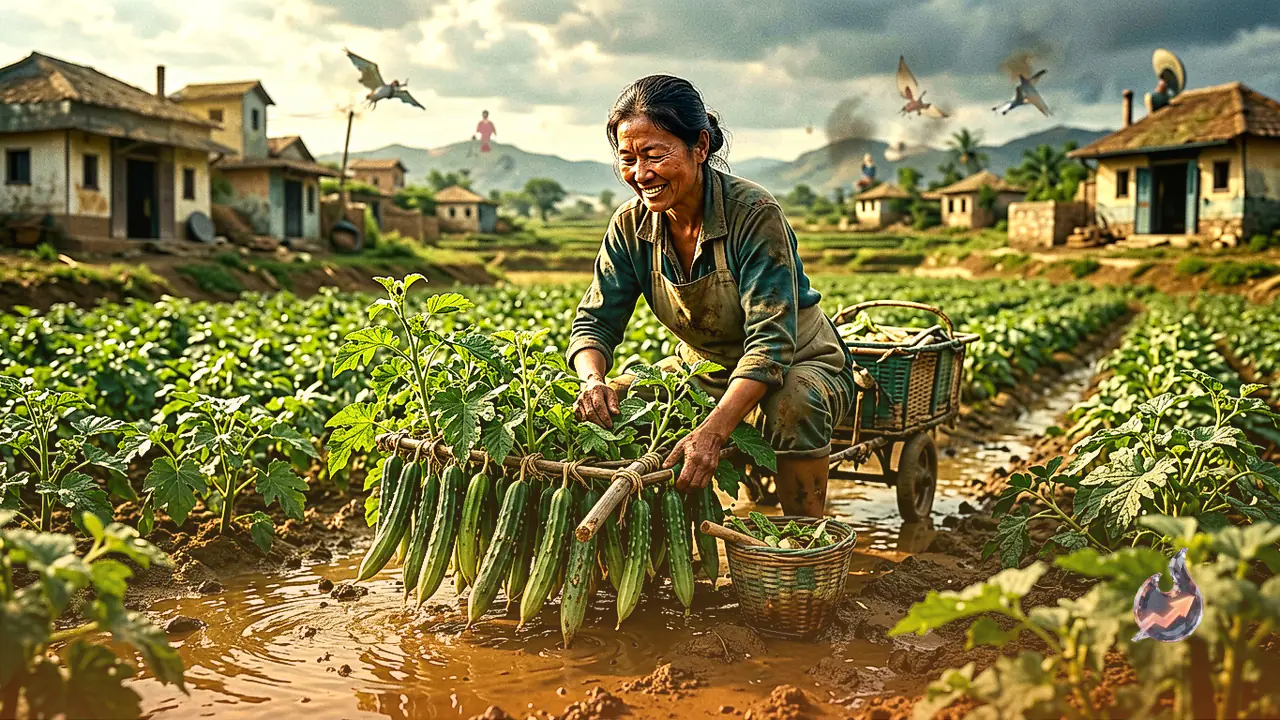
In an interview, Sunita shared that she cultivated bottle gourd across a one-acre plot of land this season. Instead of allowing the vines to spread haphazardly across the soil, she raised the crop using an overhead net and scaffolding system, known locally as a machan. Leaving bottle gourd plants on the ground during the rainy season creates a severe risk of waterlogging, rot, and crop failure. Suspending the vines above the ground ensures the produce remains elevated, significantly minimizing weather-related damage during heavy showers. This practical necessity motivated her to overhaul her traditional farming methods in pursuit of healthier yields.
Soaring Production Costs Versus Low Market Rates
Although trellised cultivation has successfully boosted the physical quantity of the harvest, market prices remain stubbornly low. In the Ballabgarh wholesale market, bottle gourd is currently trading at roughly 15 rupees per kilogram. If market rates were to climb to around 30 rupees per kilogram, farmers might finally secure a meaningful margin of profit. Under the current pricing structure, middlemen and commission agents reap the financial rewards, while the grower receives little genuine benefit. Despite rigorous effort and investment, running a household remains an uphill task. According to Sunita, setting up a trellised bottle gourd field demands substantial capital investment alongside intensive physical labor. Cultivating a single acre incurs input costs ranging between 60,000 and 70,000 rupees, alongside the labor of approximately 50 workers. Even with elevated netting, pest management remains a persistent challenge, necessitating frequent pesticide sprays. The laborious process requires five rounds of soil tilling and the sowing of 3 kilograms of seeds per acre.
The Shattered Dream of Medical Education
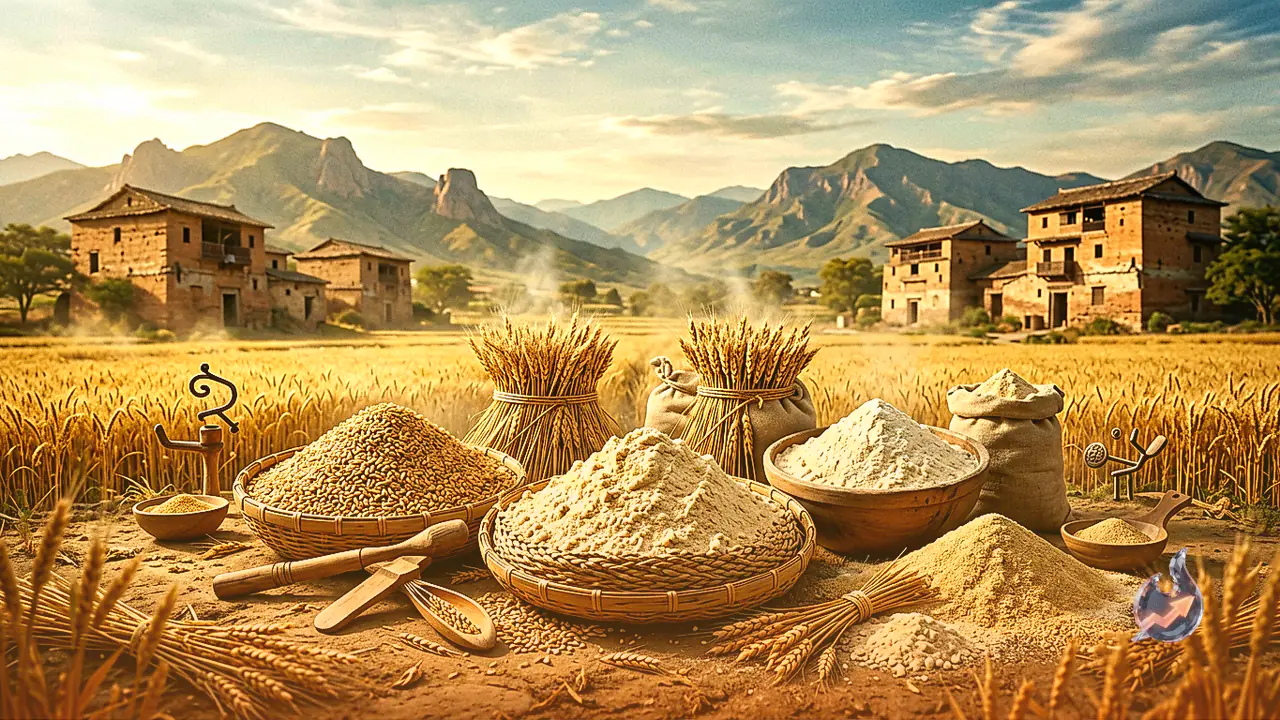
Sunita noted that despite farming for many years, she has never earned enough profit to genuinely uplift her family's financial standing. Unforgiving weather patterns and depressed market rates routinely erase potential gains, a vulnerability recently compounded when a severe hailstorm destroyed her wheat crop. Sunita is the mother of two sons; her elder son has completed his twelfth grade, while the younger one is currently studying in the twelfth grade. The elder son harbored a strong ambition of becoming a doctor and appeared for the NEET entrance examination to secure an MBBS admission. He attempted the exam three times, but the family's grinding poverty dashed his aspirations of joining the medical profession. An unexpected cancellation of one of the NEET exams further slipped away crucial preparation time, closing the door on his career ambitions.
Hoping Against Hope Through Agriculture
Sunita explained that her family lacks the financial capacity to pay the exorbitant fees charged by private medical colleges, leaving their hopes tethered entirely to the land. If market prices for bottle gourd improve and the harvest fetches a respectable valuation, the household might finally experience some financial relief. Her ultimate wish is for agriculture to generate enough income to comfortably cover household expenses while enabling her children to pursue proper education. Ensuring fair compensation for a farmer's labor is vital, because a cultivator does not merely grow crops in the soil, but sows the dreams of their children's future.