























When discussing South Indian cuisine, items like idli, dosa, and sambhar usually dominate the conversation, but Karnataka's traditional kitchen holds another culinary gem that stands out for its unique flavor and aroma. Known as Bisi Bele Bath, this dish brings together rice, lentils, vegetables, and spices in a preparation that appears simple at first glance yet offers deeply layered flavors. Its primary appeal lies in the convenience of being prepared in a single pot while delivering a wholesome and filling meal.
Understanding the Meaning and Origin of the Name
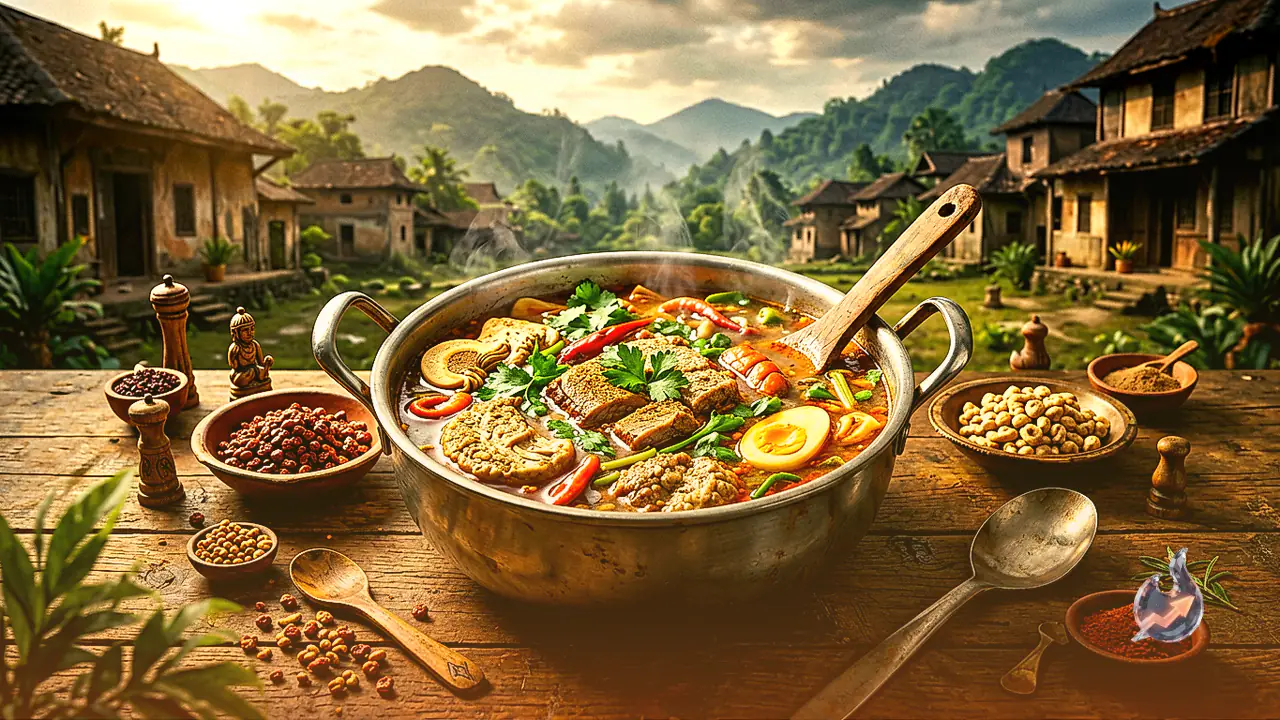
Bisi Bele Bath is fundamentally a traditional Karnataka recipe built on a foundation of rice and lentils. The standard preparation combines toor dal, rice, and an assortment of vegetables infused with a specialized spice blend. Tamarind imparts a mild tanginess, while the carefully chosen spices give the dish its characteristic fragrance and taste. The most distinctive feature of the recipe is its thick and spiced texture, which is typically served piping hot with a generous spoonful of ghee drizzled over the top to elevate the flavor profile.
The name Bisi Bele Bath originates directly from the Kannada language. In this linguistic context, 'bisi' translates to hot, 'bele' means lentils, and 'bath' refers to rice. Translated literally, it means hot lentil rice. Despite this simple literal translation, the dish differs significantly from everyday plain dal-chawal because of the rich addition of vegetables, tamarind, and aromatic spice concoctions.
The Secret Behind the Spice Blend
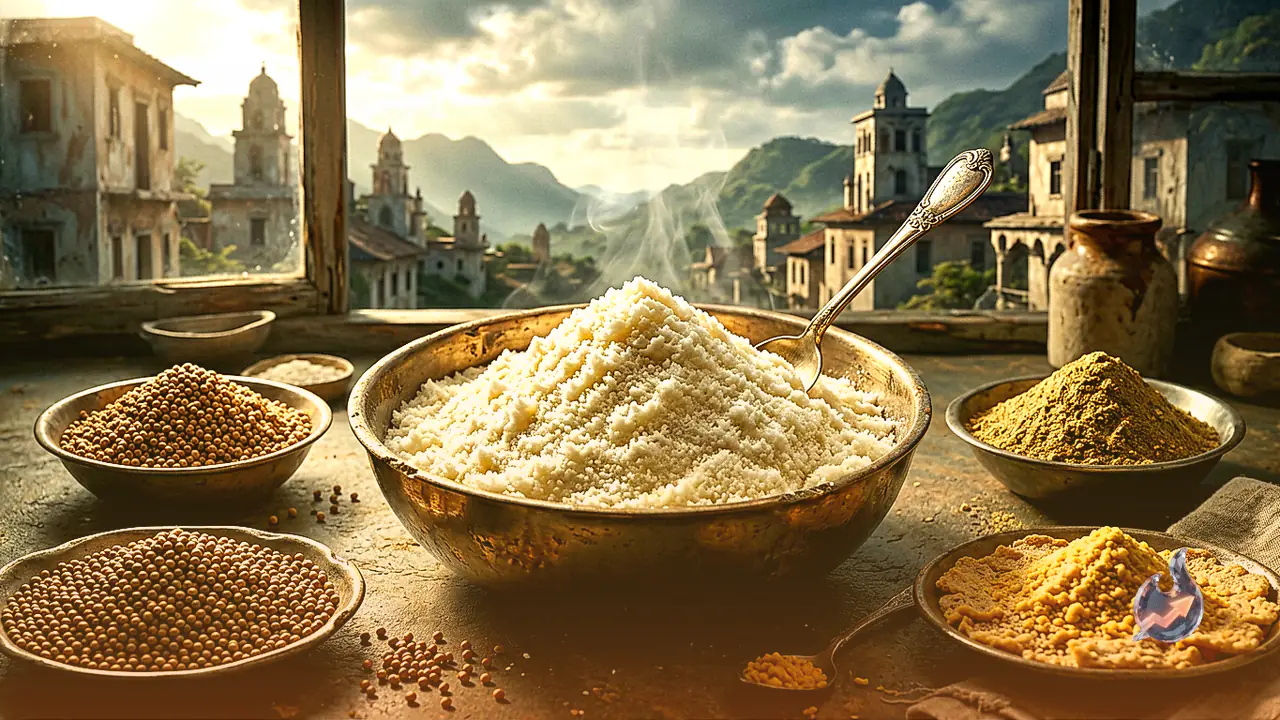
The spices used in the preparation play a crucial role in defining the overall taste of Bisi Bele Bath. Traditional ingredients often include coriander seeds, dried red chilies, cinnamon, cloves, cumin, fenugreek, and coconut. Because different households and geographical regions within Karnataka possess their own variations of the spice mix, slight differences in flavor can be experienced depending on where the dish is prepared.
A Complete One-Pot Meal
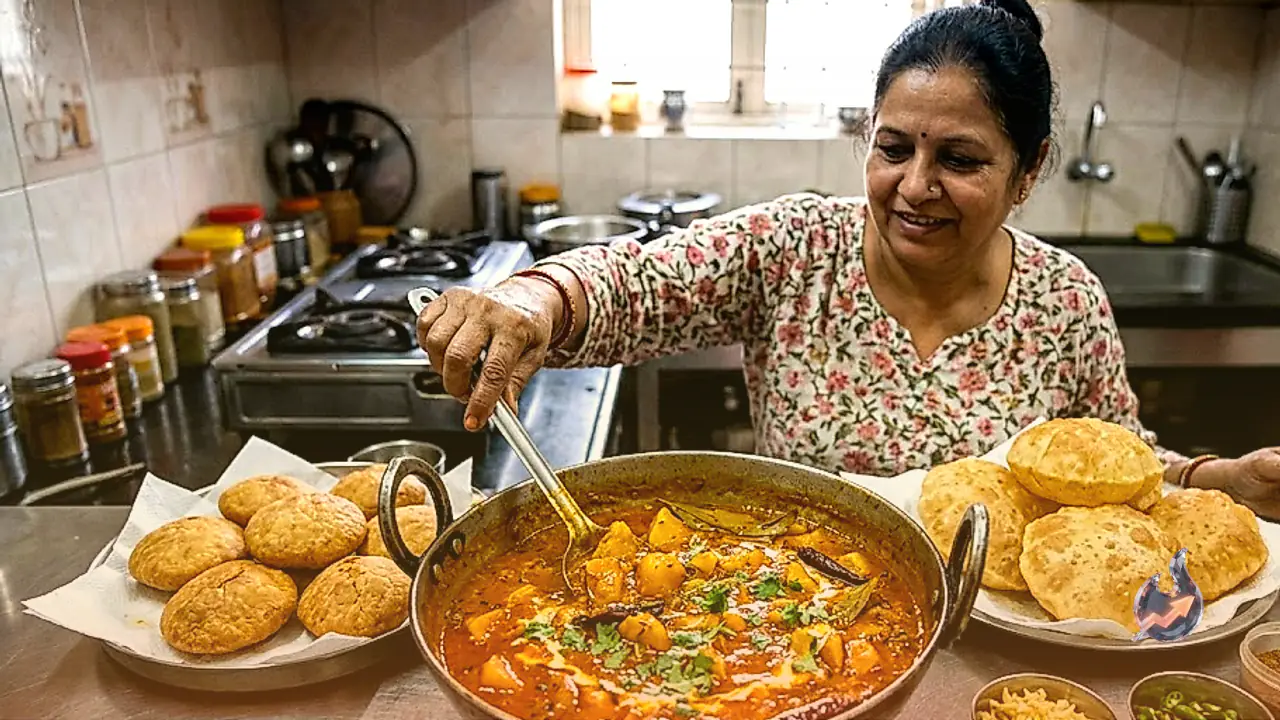
The appeal of Bisi Bele Bath extends far beyond its taste profile. The rice supplies carbohydrates, the lentils provide protein, and the added vegetables contribute essential nutrients. This nutritional balance makes it a favored one-pot meal choice. It is commonly served alongside accompaniments such as papad, bundi, potato chips, or raita, with many people preferring to add extra ghee just before eating.
Journey Beyond Karnataka
Today, Bisi Bele Bath is no longer restricted to the homes of Karnataka. From the menus of South Indian restaurants to packaged food options available across various parts of the country, its popularity continues to grow. Its enduring appeal stems from the ability to transform everyday household ingredients into a spicy, tangy, and deeply satisfying culinary experience.