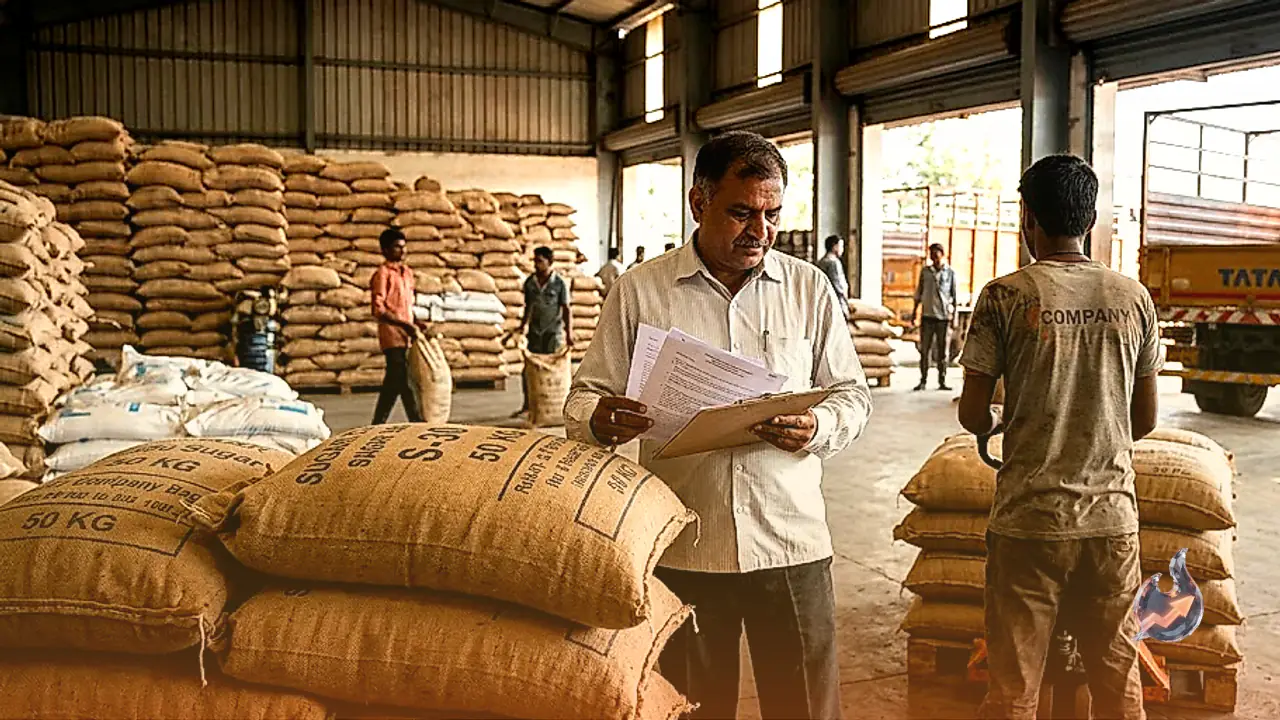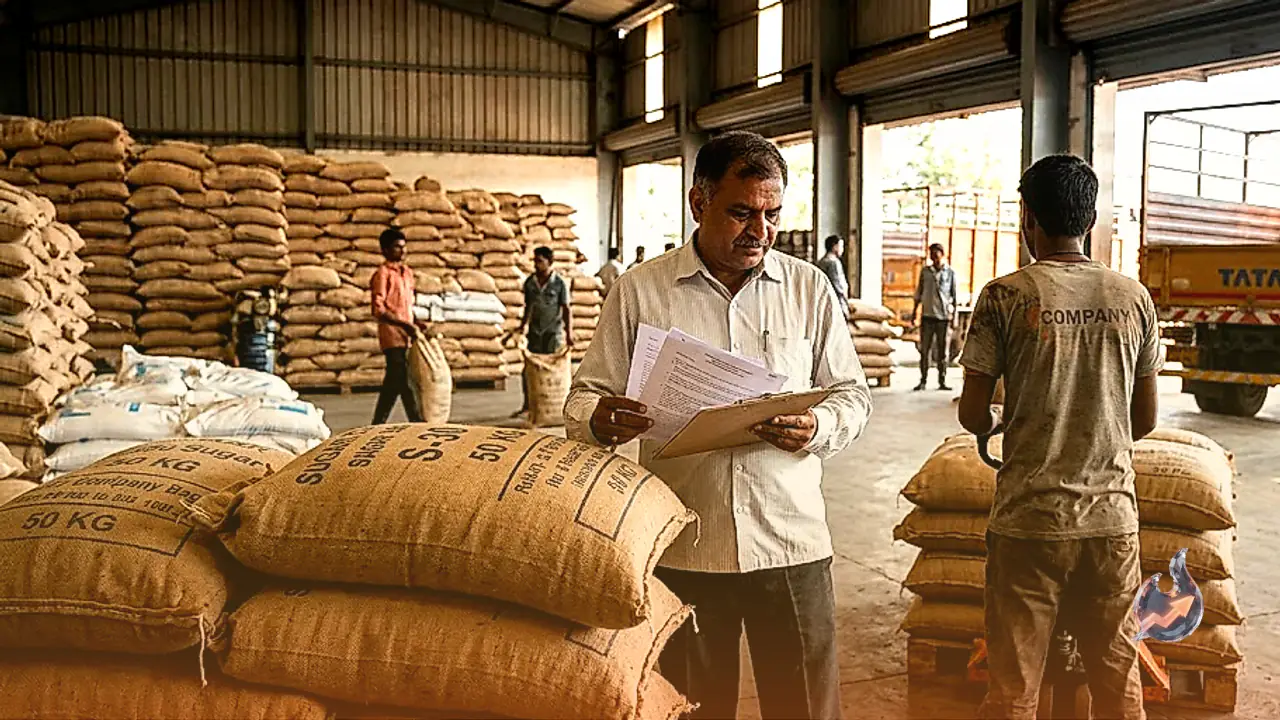

























In a major development aimed at easing household budgets ahead of the festive season, the central government has initiated a series of regulatory interventions to curb rising sugar prices. Official data shows that ex-mill sugar prices have plunged by approximately 20 percent in recent days. While retail markets have already begun reflecting this downward trend, the full impact of reduced wholesale rates is expected to reach end consumers across the country as supply chain adjustments complete.
Strict Physical Audits Expose Artificial Scarcity
Clarifying the market situation, official sources confirmed that India faces no shortage of sugar. The recent spike in retail prices was driven primarily by speculative trading and unauthorized hoarding rather than a gap in supply. To verify actual reserves, government teams conducted nationwide physical inspections of stocks stored at sugar mills. The audit revealed that several mills held significantly more sugar than the quantities declared in their official monthly returns.
Inspectors also uncovered instances of short selling by certain sugar mills. These entities deliberately released less sugar into the open market than their allocated monthly quotas. By withholding inventory, these operators created an artificial perception of tightness despite having ample stocks. In response, authorities urged consumers to refrain from panic buying and avoid stockpiling sugar beyond immediate household requirements.
New Fortnightly Quota Mechanism Starting September
To streamline distribution and eliminate market manipulation, the monthly sugar allocation system will be replaced with a fortnightly quota model beginning in September. Under the revised framework, sugar mills are mandated to sell a minimum of 40 percent of their allocated two-week quota within the first seven days of the period. The remaining balance must be dispatched during the subsequent week.
This structured release prevents the usual practice of mills hoarding stock until the end of the month or dumping supplies all at once. The shift enables regulatory authorities to monitor demand-supply dynamics more closely every two weeks and grants them the flexibility to release supplementary quotas rapidly if regional demand surges.
Mandatory Seven-Day Dispatch and Wholesale Controls
To ensure swift transit from factory gates to retail shelves, the government has imposed a strict seven-day dispatch mandate on sugar mills. Mills are required to move sold sugar out of their premises within seven days of transaction confirmation. This requirement eliminates unnecessary delays in the logistics network, discourages speculative holding, and increases physical inventory in retail markets.
Additionally, large commercial buyers and institutional consumers have been instructed not to hold inventory beyond their operational needs. Sugar imported and refined under the Advance Authorisation Scheme has also been cleared for domestic sale. Furthermore, dealers holding surplus stock have begun releasing inventory into the market, accelerating the downward pressure on prices.
Production Forecast and Supply Inflow from Key States
The upcoming sugarcane crushing season is scheduled to commence on October 15. Projections indicate that domestic sugar production in October will exceed 10 lakh tonnes (10 LMT). To maximize market supply, the government has allowed mills to sell all sugar produced during October without any market quota restrictions. Production for November is estimated at approximately 45 lakh tonnes (45 LMT).
Immediate supply is also receiving a boost from currently operational mills. During September, operational facilities in Maharashtra and Karnataka are expected to supply an additional 2 lakh tonnes (2 LMT) of sugar to the domestic market. This influx of fresh supply is set to bolster domestic stock levels, ensuring stable sugar prices throughout the festive period.