























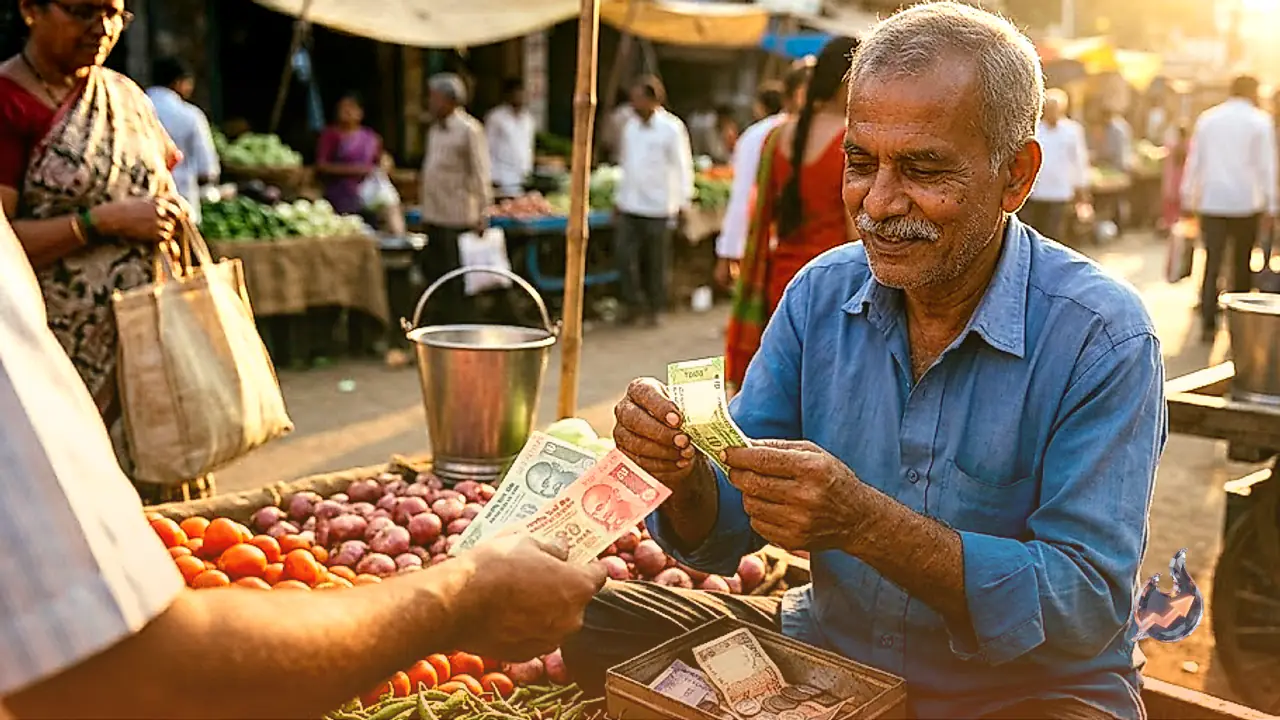

The cash in your wallet is set for a quiet makeover. The Reserve Bank is finally moving to act on an idea it has weighed for decades, banknotes made from polymer. These are notes that resist wear and stay in usable shape far longer than paper. The rollout will begin with the smaller denominations, meaning the Rs 10 and Rs 20 notes will appear first. Their trial run is already done, and the results have been convincing enough that the central bank aims to implement the plan fully by 2027. A formal tender has already been floated to get the process moving.
How seriously the RBI is taking this shows up in its board meetings. The last two board sittings were held in Mumbai and Patna, and both featured detailed discussions on polymer notes. A large part of the conversation centred on the cost of printing currency. One point is clear, even after the plastic notes enter circulation, the paper notes already in the system will not be scrapped. Both will run side by side.
How the plastic note differs from paper
The currency in your hand today is printed on cotton-based paper. The new notes, by contrast, will be made from a thin and flexible material. It is worth clearing up a common misconception here, these notes will indeed be plastic, but they will not be stiff like a credit or debit card. They can be folded easily and tucked into a wallet, and they will be used exactly the way paper notes are.
On security, these notes will be a big step ahead. They will carry features such as a transparent window, a micro-optic hologram and a special type of ink. That combination will make them nearly impossible to counterfeit. On top of that, they neither tear quickly nor get grimy, which means they stay clean and fit for use much longer than paper.
Sixty countries already use plastic currency
Plastic currency is hardly new to the world. Right now, around 60 countries are running polymer notes. Some have adopted them fully, while others use them only partially. Australia led the way, issuing a polymer 10-dollar note back in 1988. A decade later, in 1998, Romania adopted the technology and became the first European country to do so. Today, nations such as Canada, the UK, Singapore, Malaysia, Thailand, Indonesia, New Zealand and Vietnam also use plastic currency.
Rising costs are the real driver
The biggest reason behind the RBI's move is the steadily climbing cost of printing and the short life of paper notes. In the financial year that ended in March 2025, the central bank spent Rs 6,372.8 crore on printing notes, up from Rs 5,101.4 crore just a year earlier. That jump came as demand for cash grew. Over the same stretch, the number of soiled notes pulled out of circulation rose 12.3 per cent compared with the previous year. In FY2025, 23.8 billion notes were withdrawn from circulation, against 21.24 billion a year before.
Among the soiled notes taken out, the Rs 500 denomination accounts for the largest share, followed by the Rs 100 note. Interestingly, even with the surge in online payments, the use of cash has not fallen. Figures up to May 15 show that a total of Rs 42.86 lakh crore worth of currency was in circulation. In just the first six weeks of the current financial year, circulation grew by Rs 1.5 lakh crore.
India has tried this before
The idea of plastic notes is not new to India either. In 2012, the UPA government issued Rs 10 plastic notes on a trial basis. At the time, one billion notes were pushed into circulation and distributed across Kochi, Mysore, Jaipur, Bhubaneswar and Shimla. The goal then was the same as it is now, to rein in fake notes and strengthen the security features of the currency.