
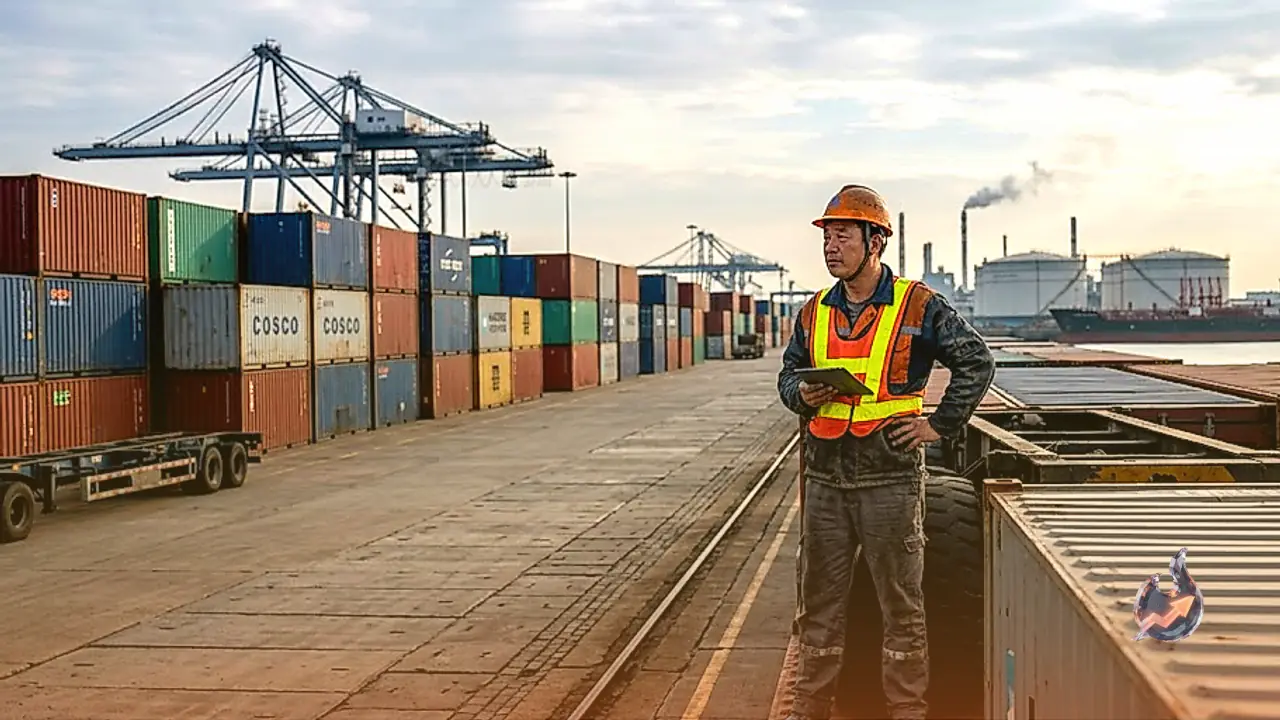





















While countries like the United States and Europe wake up each day worried about how far petrol prices might climb because of the war raging in West Asia, India is doing the opposite: supplying cheap fuel to its own 140 crore citizens while simultaneously exporting fuel to the rest of the world and pocketing billions of dollars in profit. Even amid this global turmoil, India's economy continues to grow at a rapid pace, and the government has now mapped out a strategy for 2030 that ensures the world will have little choice but to turn to India whenever the next global fuel shortage hits.
Buy crude cheap, sell fuel dear: India's winning formula
There is nothing complicated about the thinking behind this success, just a simple and effective business approach that Prime Minister Narendra Modi has executed with precision. Ignoring pressure from Western sanctions, India kept buying crude oil from Russia at steep discounts, a move that drew criticism abroad but kept raw material costs low at home. Its large refineries then processed this inexpensive crude into petrol, diesel and jet fuel, and shipped the finished products out to the countries where demand, and profit margins, happened to be highest at any given time. Instead of simply consuming the discounted crude domestically, India built an entire export engine around it, buying low from one partner and selling high to many others. The numbers now make it clear just how firm a grip India has taken on the global fuel trade.
The July 2026 numbers stunning the world
In the current month, July 2026, India is exporting a record 14 lakh barrels of refined fuel every single day, a figure large enough to rattle even the world's biggest oil-producing nations. What makes it more striking is that this export volume is roughly 50 percent higher than what India was shipping out in May 2026, meaning the country nearly grew its export capacity one and a half times over in just two months, a pace of expansion that few refining industries anywhere in the world can match.
Africa becomes India's biggest diesel market
A look at Africa's numbers shows just how calculated India's approach has been. In April 2026, Africa accounted for only 32 percent of India's total diesel exports. By May 2026, that share had jumped to 80 percent. In other words, wherever the margins were richest at that moment, India quickly redirected its supply there, treating its refining and shipping network almost like a live trading desk rather than a fixed production line.
As refineries burned elsewhere, Russian firms turned to India
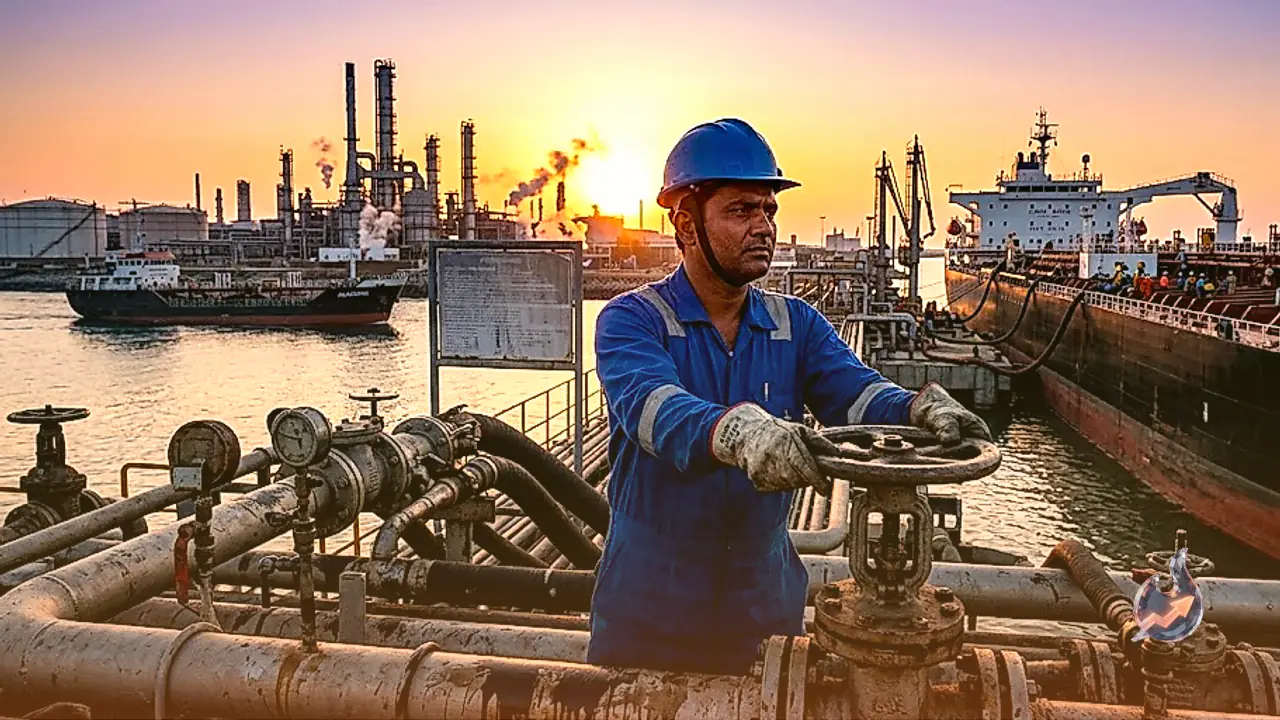
The wars playing out in different parts of the world have badly disrupted global oil refining infrastructure. Drone strikes and missile attacks have hit several major refineries across the Middle East and Europe, taking large chunks of processing capacity offline and triggering a severe shortage of diesel, jet fuel and gasoline in international markets. India's refineries, largely insulated from that direct conflict, seized on this opening. As a result, several large Russian oil companies have themselves reached out to Indian refiners to get their crude processed and moved into the global market. Russia has no shortage of crude oil, but limited refining capacity combined with international sanctions has left it unable to sell much of that oil directly, a gap India is now filling by acting as the middleman that both refines and re-exports it. India has effectively become a dependable hub where crude oil arrives from multiple sources, gets refined at scale, and then powers vehicles, planes and industries across the world.
The 2030 plan: India aims to become the world's biggest fuel hub
India isn't just chasing today's profits, the government is also eyeing the much larger global market that lies ahead. That's why the country continues to pour heavy investment into expanding its refining capacity rather than treating the current surge in demand as a one-off windfall. Data from the last five years shows investment in India's refining sector has grown by 23 percent. Older refineries are being modernized with newer technology, while some are having their processing capacity nearly doubled to handle future volumes. According to the International Energy Agency, widely regarded as the world's leading authority on energy data, India's refining capacity could grow by another 15 percent by 2030. In practical terms, this means that whenever the next global shortage of petrol and diesel strikes in the coming years, the world will increasingly have little option but to come knocking at India's door for supply.