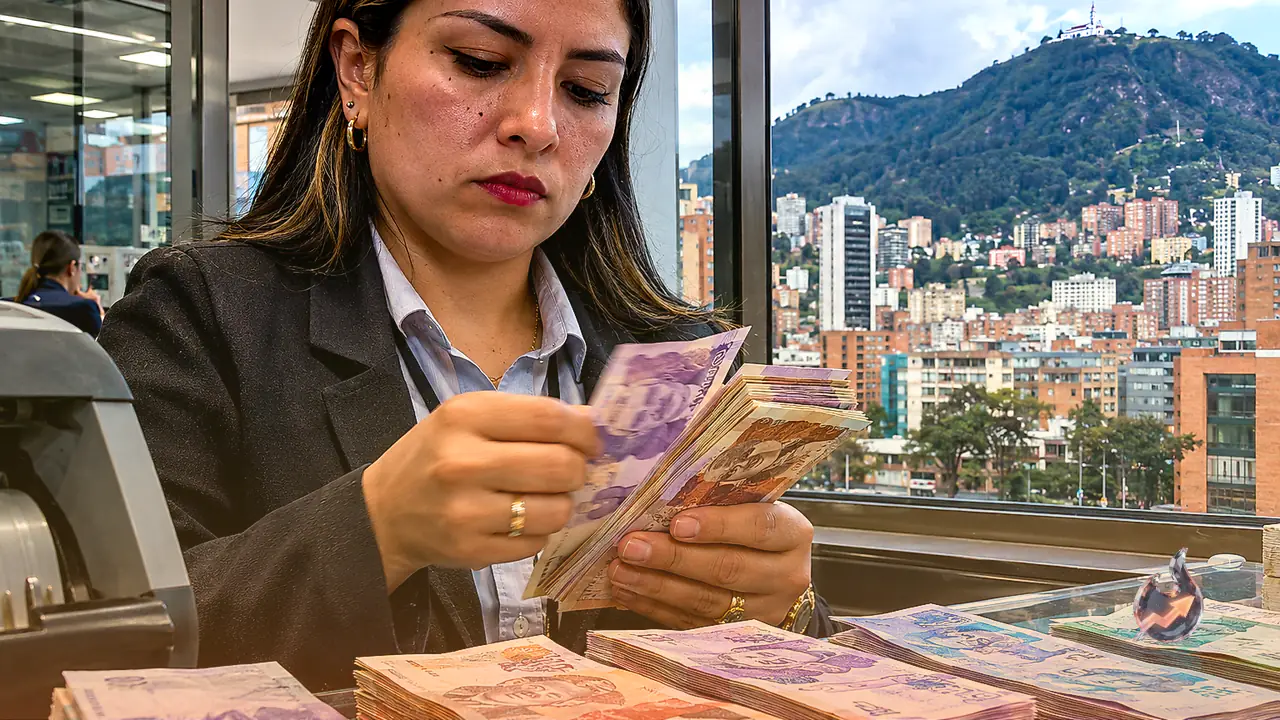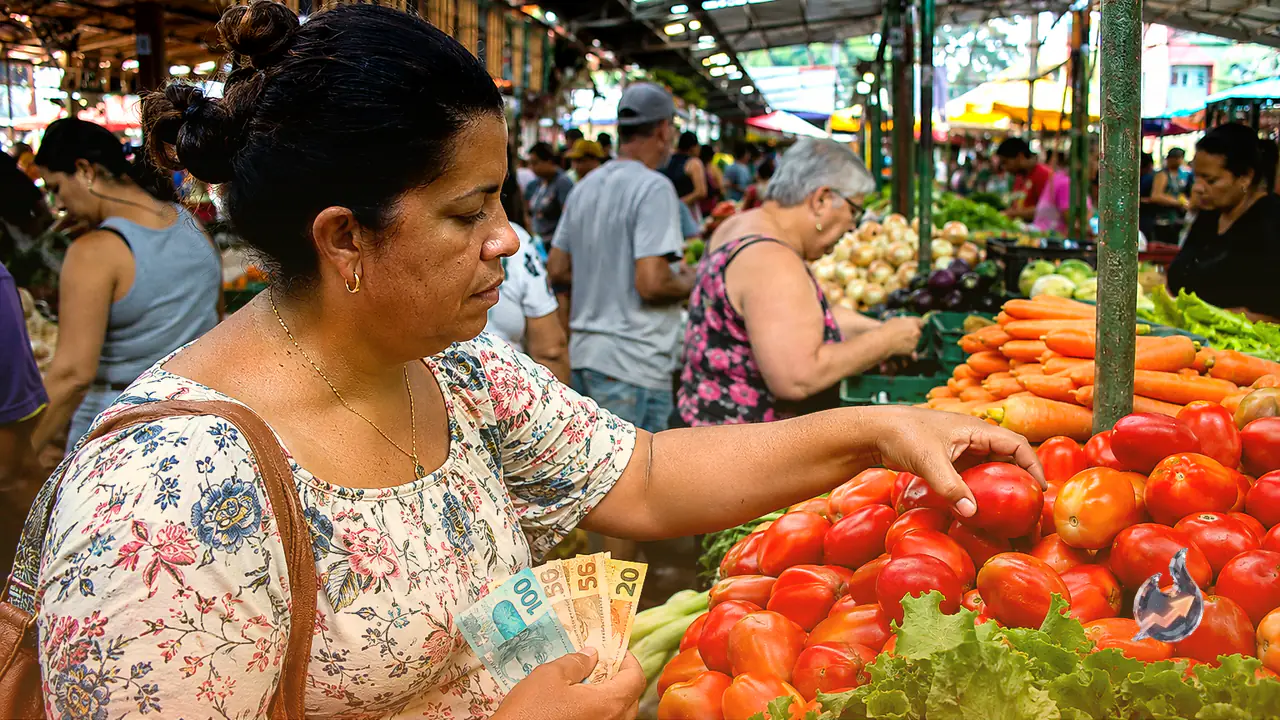

Brazil’s latest inflation reading offered a measure of near-term relief, but it did not remove the risks ahead. Mid-November IPCA-15 inflation was 4.64% year over year, below Societe Generale’s 4.76% forecast and the 4.78% consensus estimate. The bank’s Dev Ashish expects inflation to accelerate in the coming months, with food price risks and currency depreciation among the main pressures.
Underlying price growth eased
Societe Generale’s core measures put underlying inflation near 4.1% year over year, down from around 4.25% in October. The bank said that movement is consistent with weakening domestic demand. Softer demand, in its assessment, is still limiting broader price pressures even as other forces could push the headline rate higher.
The lower-than-expected IPCA-15 figure therefore sits alongside a more cautious outlook. Core inflation has eased, but the bank says that stability could be undermined if food inflation rises. The two signals point in different directions: weaker demand is restraining prices for now, while food costs and currency weakness pose risks for the months ahead.
Food and currency pressures in focus
The bank’s forecast for an acceleration in inflation is driven predominantly by food and currency pressures. The assessment identifies those broad sources of risk without specifying which food categories might rise, how far the currency could depreciate, or how much either factor could add to inflation. It supports the expectation of renewed pressure, but does not provide a numerical estimate for that potential increase.
Domestic demand is the counterweight in this outlook. Its weakness is consistent with the easing in core measures and appears to be constraining wider price pressures. Higher food inflation, however, could interrupt that stability. That leaves the recent moderation vulnerable: the core reading points to softer underlying inflation, while the bank’s forward view remains alert to factors that can lift prices.
Expectations matter beyond the latest reading
Medium-term inflation expectations matter for wage decisions and price-setting, according to the bank. Societe Generale also described the repricing in expectations after the election as excessive. Consensus inflation for 2027 has reached 5.12%, notably above the bank’s own forecast of 4.61%.
Those figures are projections for 2027, not the current inflation rate. The 4.64% IPCA-15 reading describes the mid-November year-over-year pace, while 5.12% and 4.61% compare the market consensus and the bank’s longer-range forecast. The gap shows that market participants and the bank have different views of where inflation may settle. The bank’s point is that expectations can influence how wages and prices are set, making the medium-term outlook relevant alongside the latest data.
Reading the mixed picture
The available evidence combines a mid-November inflation rate below both forecasts, a decline in core measures from around 4.25% in October to near 4.1%, and signs of weaker domestic demand. Against that, Societe Generale continues to expect an acceleration in coming months, chiefly because of food and currency pressures. Its 2027 forecast also remains below the 5.12% market consensus, reflecting the bank’s view that the post-election rise in expectations has gone too far.
The bank has not specified when food or currency pressures might show up in the data, or how large their effect could be. The material also gives no date for the next reading, policy response or quantified scenario. The grounded conclusion is a split one: current core measures and softer demand point to restraint, while the bank’s outlook identifies food prices and currency depreciation as reasons inflation could pick up again.