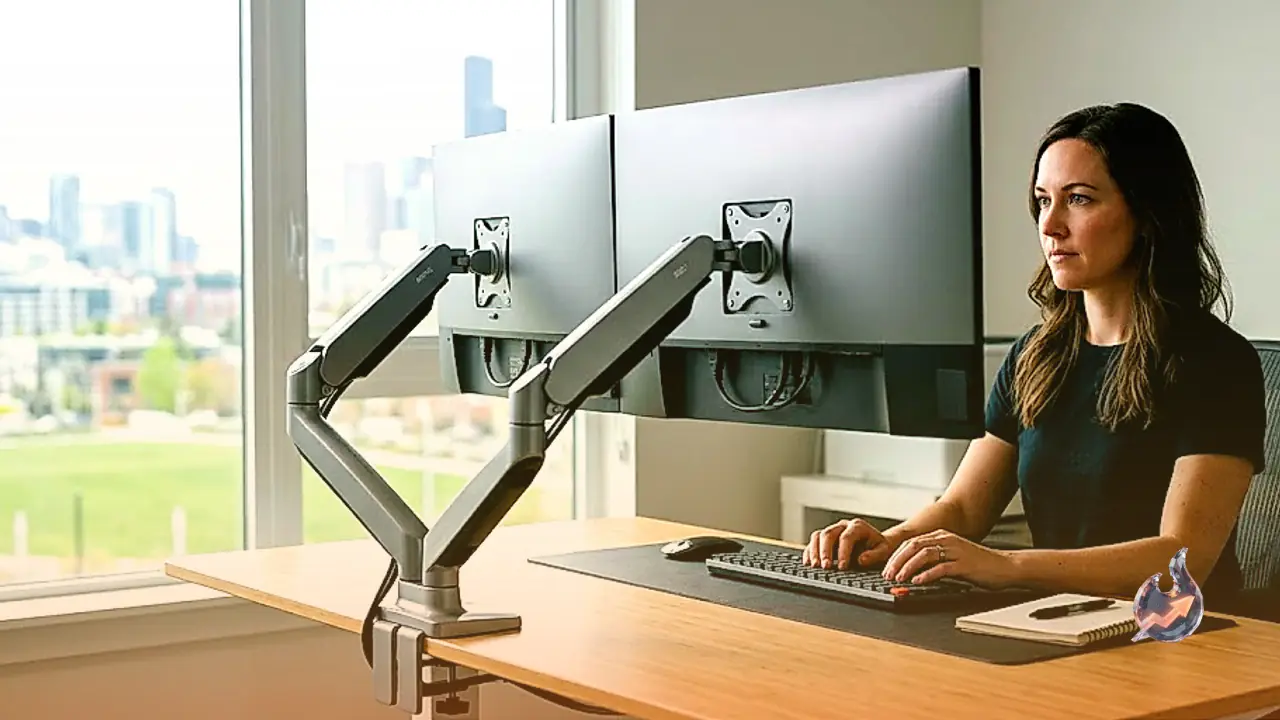





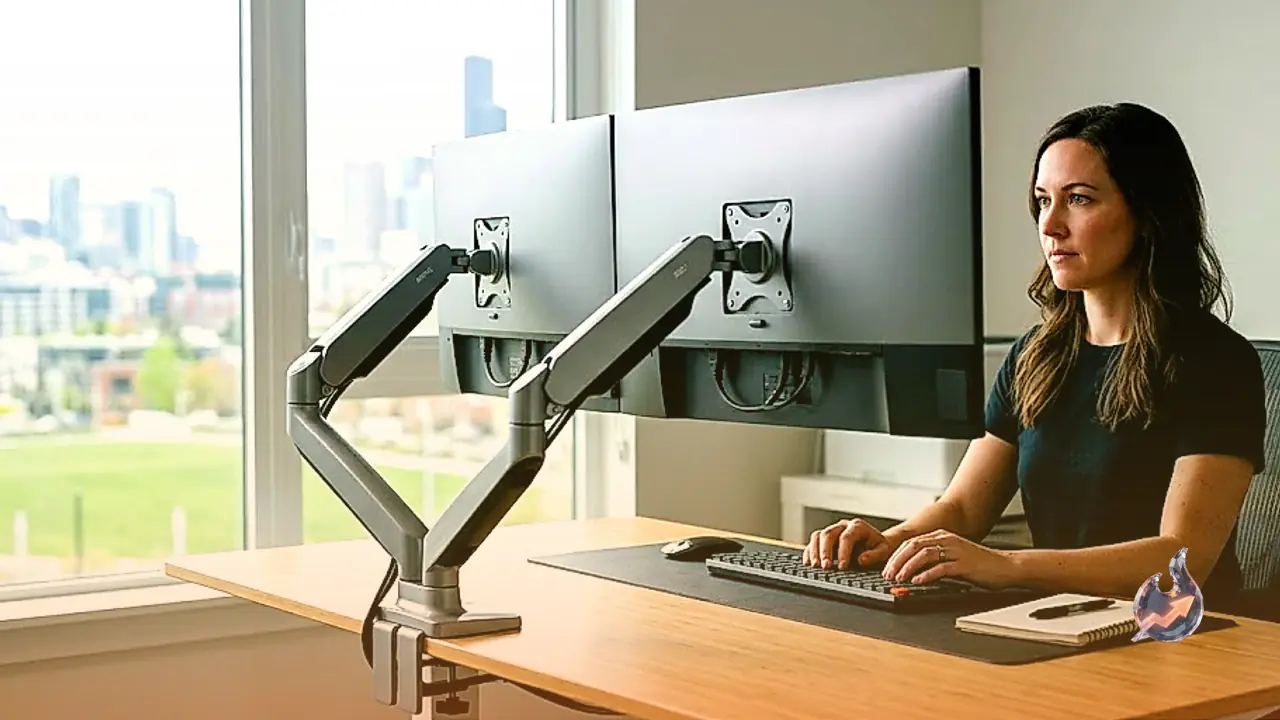



















Arriving at an office early in the morning, enduring constant pressure throughout the day, and staying chained to a desk until evening is an arrangement that today's younger generation, Gen Z, finds increasingly unappealing. The traditional notion of spending an entire career anchored to a single employer is rapidly fading. Modern youth prefer relying on their unique skills and working on their own terms rather than being dependent on any single organization.
This evolving mindset has given rise to a prominent trend known as poly-working. Instead of locking themselves into a single full-time 9-to-5 job, individuals engaged in this practice handle freelance or contract assignments for three to four different companies or clients concurrently. From video editing and content writing to graphic design and AI prompting, young professionals leverage their diverse skill sets to build multiple income streams each month.
How Poly-Working Differs from Moonlighting
Many observers mistakenly conflate poly-working with moonlighting, but the two concepts are fundamentally distinct. Moonlighting typically involves secretly taking on secondary work while holding down a primary full-time job. In contrast, poly-working is entirely transparent and open. Individuals practicing it are not traditional employees of any single firm; instead, they operate as portfolio workers managing distinct projects for various independent clients.
Eliminating Single-Source Dependency and Financial Risk
Relying on just one income source is increasingly viewed as a major vulnerability in today's professional landscape. Amid persistent corporate layoffs, losing a primary job can devastate a traditional employee. However, poly-workers maintain financial resilience because even if one client relationship ends, income continues flowing from other active projects. Instead of a fixed corporate salary, their monthly earnings combine revenues from multiple distinct engagements.
Location Independence and Flexible Working Hours
One of the most compelling advantages of poly-working is complete autonomy over time and workspace. Professionals in this ecosystem are not tethered to rigid shifts or mandatory office commutes. They can work from a hill station or a home study, as long as project deliverables and strict deadlines are met. This flexibility allows ample time for personal interests, hobbies, and maintaining a healthy work-life balance.
Skill Variety and Earning in Foreign Currency
Poly-working protects individuals from the monotony of performing identical tasks day after day. Crafting a social media strategy for one client in the morning and coding for another in the afternoon keeps the mind engaged and prevents burnout. Although strong time management is essential to balance overlapping deadlines and prevent stress, securing international clients frequently allows these professionals to earn substantial income in foreign currencies.
Navigating the Challenges of the Model
While this working model offers immense freedom and lucrative earning potential, it also comes with notable hurdles. Traditional employment benefits such as paid leaves, health insurance, and provident funds are absent. Furthermore, constantly sourcing new clients and maintaining a steady workflow requires ongoing effort. Despite these obstacles, Gen Z continues to adopt this approach rapidly to retain complete control over their careers.