


















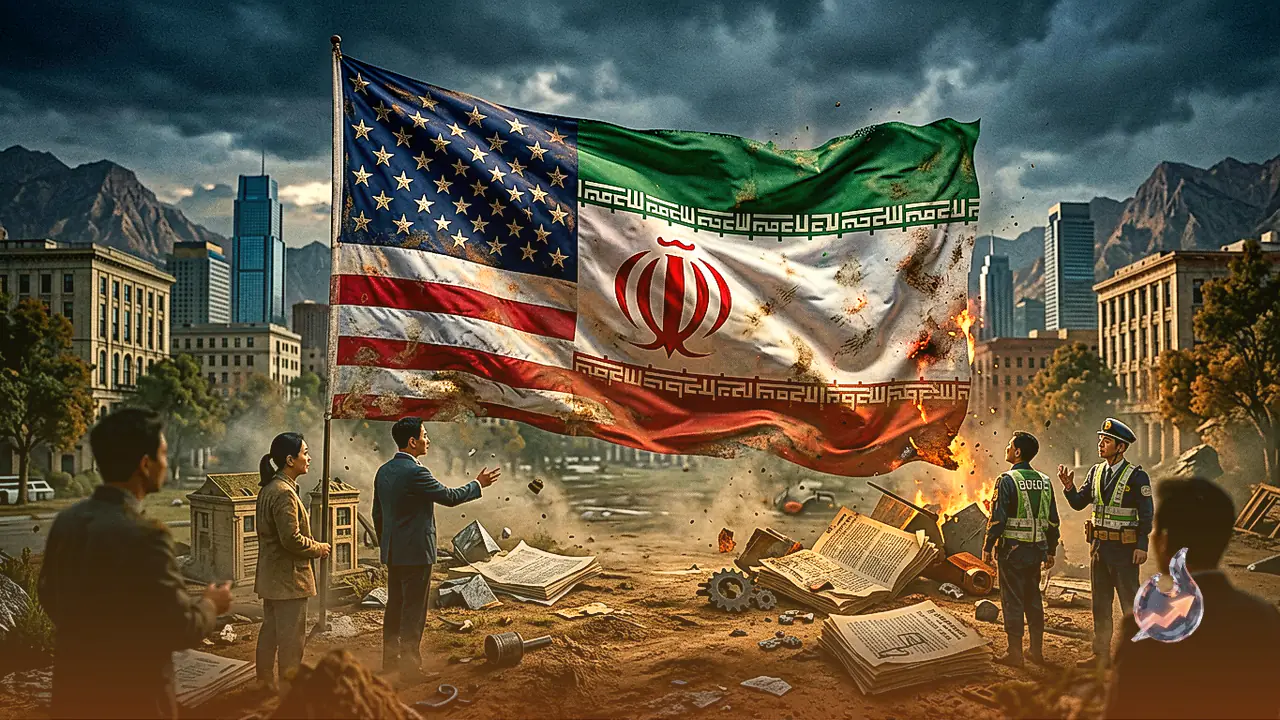

Iranian President Masoud Pezeshkian has formally urged a halt to the prolonged hostilities with the United States. This development arrives alongside diplomatic discussions between Omani officials and Tehran aimed at restarting dialogue channels between the two nations.
A Call for Peace from a Position of Strength
During a gathering with medical professionals in Tehran, Masoud Pezeshkian stated that concluding the war now is preferable since the country stands in a position of strength and honor. He noted that the global community recognizes how the US violated international norms by attacking schools, hospitals, and critical infrastructure, thereby earning widespread condemnation. Concurrently, the Iranian military leadership maintains that defensive readiness remains absolute. Major General Ali Abdollahi, Chief of Staff of the Armed Forces, emphasized that with total preparedness across land, sea, air, air defense, and cyberspace, the military will deliver a severe and devastating response to any renewed threats.
Domestic Political Friction Over the June Agreement
The administration faces intense pushback from hardliners within the Iranian parliament regarding a diplomatic arrangement brokered with Washington in June. Viewed widely as a reformist figure within the political establishment, Masoud Pezeshkian was accused by critics of capitulating to American pressure. Refuting these claims, he maintained that the accord contains no elements indicating surrender and asserted that all concessions and commitments apply entirely to the opposing side.
Washington Responds to Tehran Demands
Meanwhile in Washington, President Donald Trump expressed doubt regarding Iran genuine willingness to reach a settlement. When questioned about limited military options, he indicated that the administration is monitoring developments closely, pointing to total American command over the Strait of Hormuz and surrounding terrestrial areas. This follows earlier escalations where President Donald Trump published a revised map designating the Strait of Hormuz as new US territory, further complicating diplomatic resolutions.