























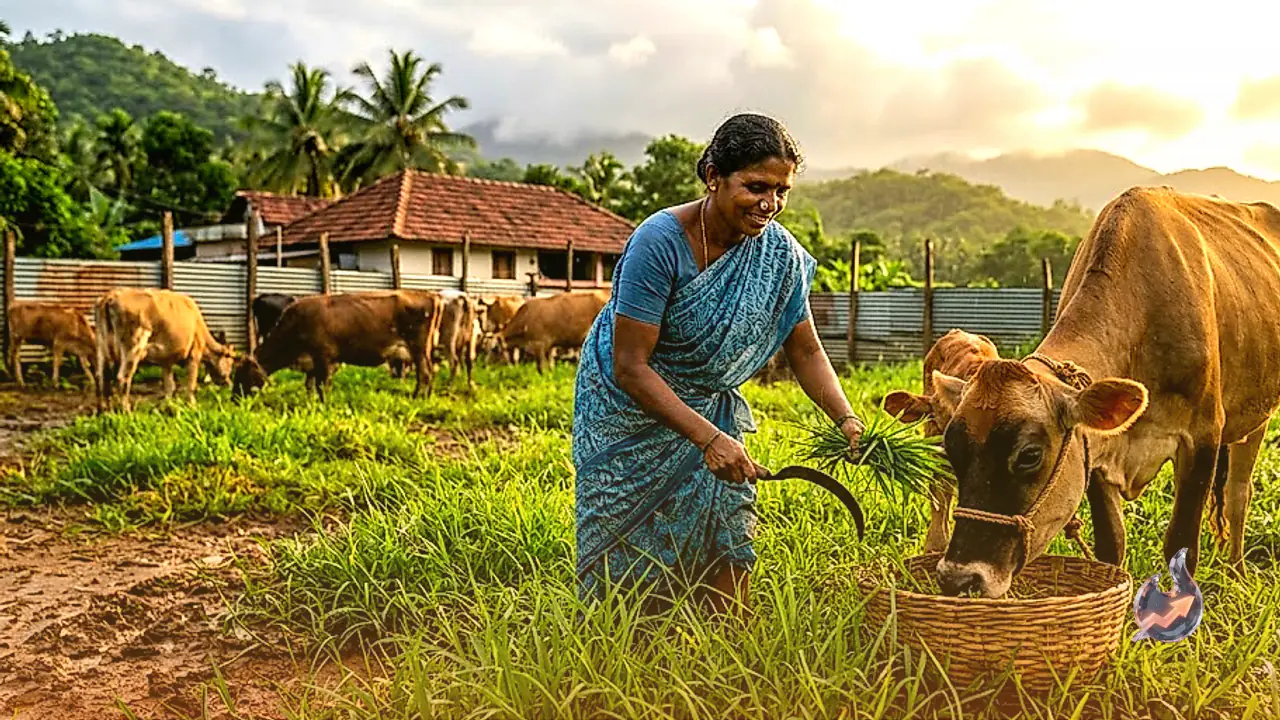

When continuous monsoon rains and extensive waterlogging wipe out cultivated pastures, dairy farmers often face a severe shortage of fresh green fodder for their livestock. This seasonal scarcity can take a heavy toll on animal health and cause a sharp dip in milk production. However, during these challenging times, nature provides a remarkably resilient and entirely free alternative. Bermuda grass, widely known as Doob grass, thrives naturally across field margins, roadsides, and vacant plots, emerging as a highly nutritious superfood that can effortlessly replace expensive market feeds for cattle.
Battling the Monsoon Fodder Shortage
The rainy season brings unique challenges for agricultural communities. While regular crops and cultivated fodder are highly susceptible to rotting in waterlogged fields, Doob grass exhibits incredible resilience. It requires no formal cultivation, yet it blankets every available stretch of open land with dense green nutrition. For livestock owners struggling to secure daily feed, this readily available resource acts as a vital safety net. Instead of worrying about declining cattle health due to a lack of fresh greens, farmers can simply harvest this naturally abundant grass to keep their herds fed and completely healthy.
Zero-Cost Dairy Economics in Dholpur
The practical benefits of relying on this wild grass are clearly visible in the daily routines of progressive farmers. Ramlakhan Sharma, a dedicated agriculturalist hailing from Boreli village in the Dholpur district, has successfully integrated this natural resource into his farm management. Every day during the rainy season, he collects fresh, green Doob grass from the vicinity of his fields to feed his cattle. By utilizing this free feed, he ensures his animals remain in peak physical condition without having to spend heavily on commercial green fodder or expensive feed concentrates from the market. This simple shift in feeding practices results in substantial financial savings, significantly boosting the overall profitability of his dairy operations.
A Complete Nutritional Profile
Beyond its sheer availability, Doob grass is far more than an ordinary weed; it serves as a perfectly balanced, Ayurvedic dietary supplement for livestock. The grass is exceptionally rich in essential nutrients required for optimal animal health. It contains high levels of protein, which is a fundamental building block for the proper physical development and muscle growth of the cattle. Furthermore, it is packed with a wide array of crucial vitamins, specifically Vitamin A, Vitamin B, and Vitamin C. When combined with its rich mineral content, including heavy doses of calcium, phosphorus, and iron, the grass directly strengthens the skeletal structure of the animals and naturally enhances their milk-yielding capacity.
High Fiber for Optimal Digestive Health
A healthy digestive system is paramount for dairy cattle, and this natural fodder delivers exactly what the animals need. Doob grass contains an abundant supply of dietary fiber. Regular consumption of this fibrous feed keeps the digestive tracts of the cattle functioning smoothly. It actively prevents common stomach disorders and ensures that the livestock can efficiently process their food, leading to better overall energy levels and immunity against seasonal diseases.
Environmentally Friendly and Free of Toxins
One of the most significant advantages of this fodder is its absolute purity. Ramlakhan Sharma noted that Doob grass grows completely organically without any human intervention. Because it flourishes entirely on its own, it never requires the application of chemical fertilizers or harmful pesticide sprays. This makes it a hundred percent safe, toxin-free meal for the livestock. Additionally, its rapid expansion during the heavy monsoon months plays a crucial role in binding the topsoil. By preventing soil erosion, the grass actively helps preserve the natural fertility of the land, making it an environmentally beneficial plant for the entire ecosystem.
Cultural Reverence Meets Practical Farming
In the broader context of Indian traditions, Doob grass has always commanded deep respect. Known as Durva, it holds a sacred position in religious practices and is considered highly beloved by Lord Ganesha. It remains an essential element in all auspicious ceremonies and daily worship. Today, this profound religious symbol is simultaneously proving to be an economic lifeline. By providing dairy farmers with a cost-effective, deeply nourishing, and entirely safe feeding option during the harshest weather conditions, this humble grass beautifully bridges ancient cultural faith with the practical demands of modern livestock management.