






















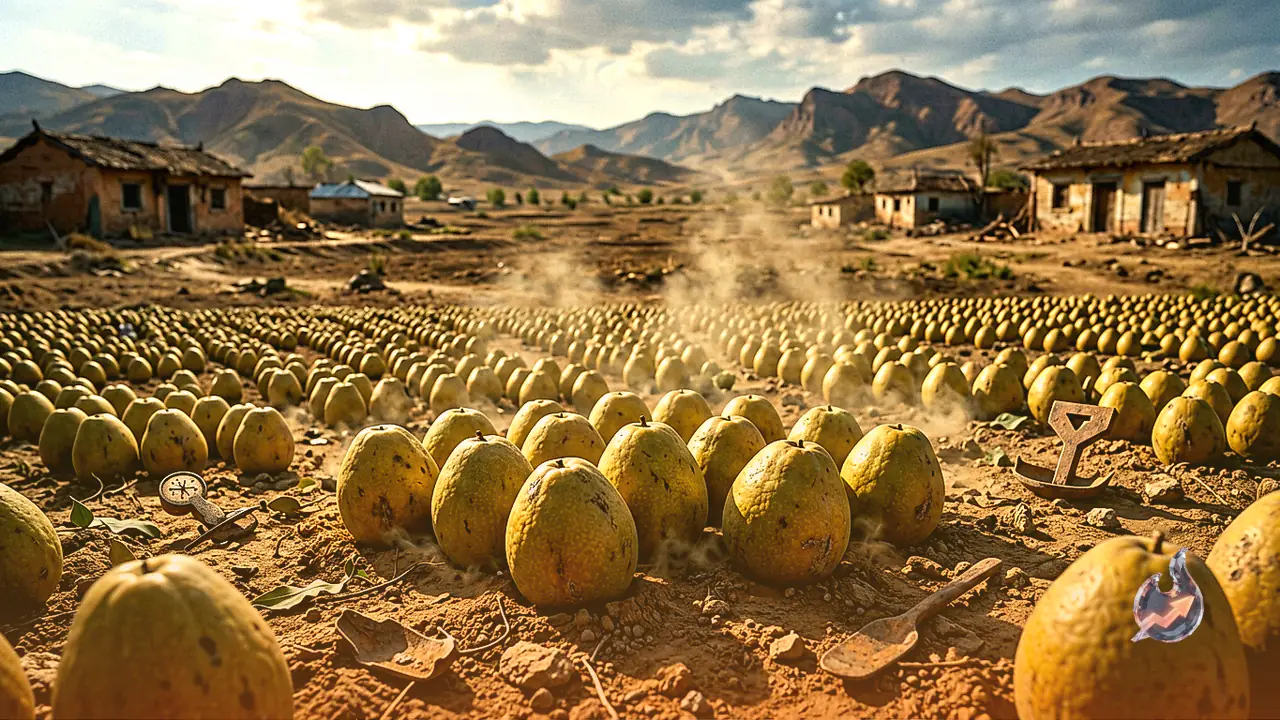

Across the dry climate and rocky terrain of Telangana, a fruit once dismissed as wild vegetation is now rewriting the financial future of local cultivators. Custard apple, commonly known as sitaphal, is gaining massive traction as a commercial crop following Maharashtra's lead. Because it demands minimal investment, very little water, and remains completely safe from monkeys and stray cattle, it has emerged as the most viable agricultural option for the arid parts of the state.
Key districts leading the production
Custard apple is predominantly cultivated in the Mahabubnagar, Ranga Reddy, Vikarabad, Nalgonda, Medak, and Nagarkurnool districts of Telangana. The hilly and dry tracts of Mahabubnagar and Vikarabad naturally support abundant growth of these trees. Moving away from traditional native varieties, progressive growers are now adopting advanced high density plantation techniques using high yielding variants like Balanagar, NMK 1 Golden, and Arka Sahan.
Best planting practices and schedule
The ideal window for establishing custard apple orchards in Telangana runs from June to September. The crop thrives in red sandy, stony, or light loamy soils as long as water stagnation is strictly avoided. Growers are advised to plant sturdy grafted saplings or polybagged plants sourced from nurseries during September while steering clear of direct seeding. Field preparation involves digging two by two feet pits spaced at five by five meters or four by four meters under high density methods, enriched with farmyard manure. Planting coincides with the August monsoon showers. Being highly drought tolerant, the crop performs exceptionally well with minimal water supplied through drip irrigation systems.
Yield, market demand, and earnings
Fruit bearing typically begins within two to three years of plantation. Following the monsoon bloom, the fruits ripen between November and December. During this harvest window, sweet custard apples originating from Vikarabad and nagarkurnool experience immense demand in Hyderabad fruit mandis and the historic Moazzam Jahi Market. Fueled by expanding applications in the ice cream and fruit pulp processing industries, farmers are securing net profits ranging from two to three lakh rupees per single acre of cultivation.