



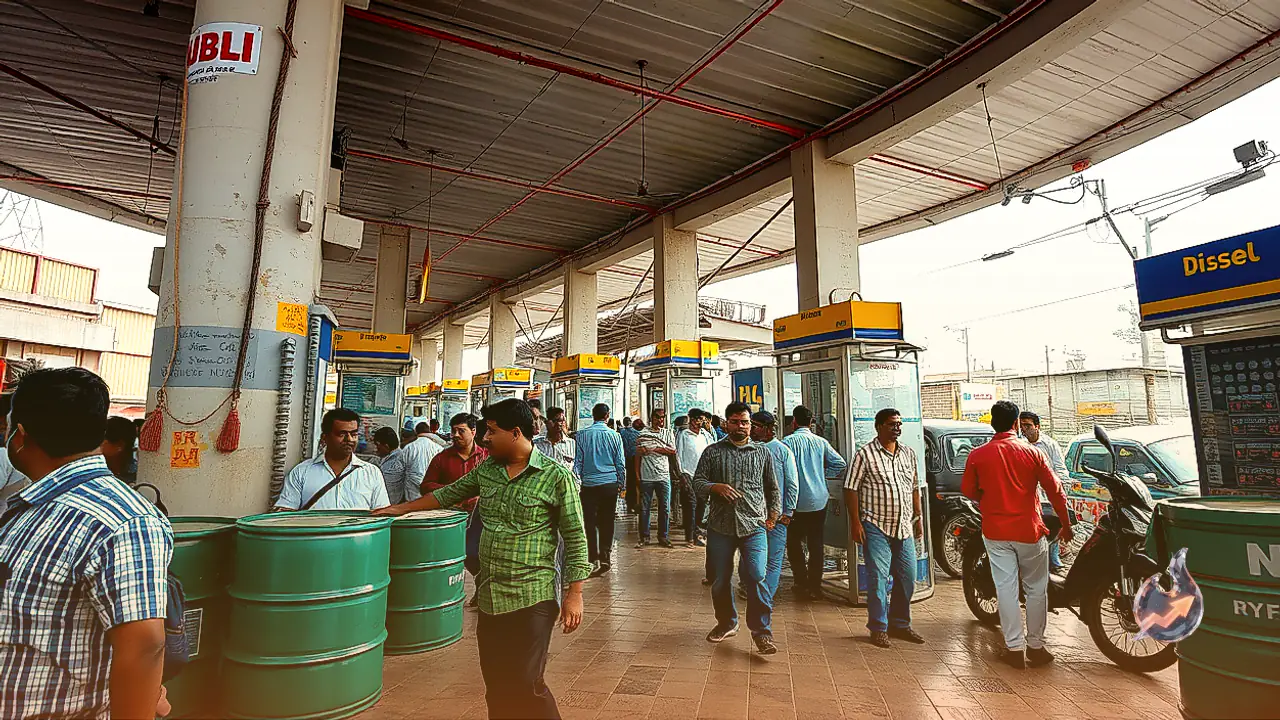



















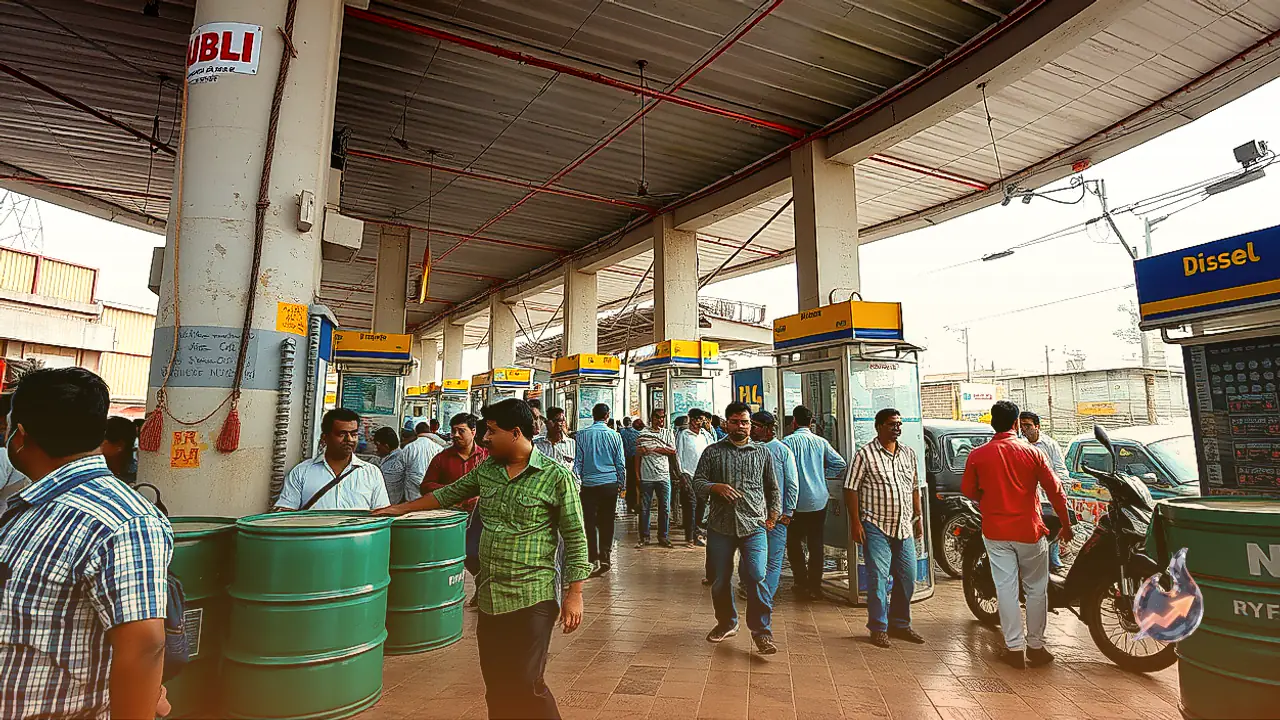

Global crude oil prices remain elevated with benchmarks hovering near 100 dollars per barrel, triggering supply and demand shifts across international energy markets. In India, this global trend coincides with a domestic surge in diesel consumption. The primary drivers behind this soaring demand are the festive season rush and heightened agricultural activities, both of which rely heavily on heavy transport and fuel-powered equipment. Geopolitical tensions and conflicts in regions like Iran have created global supply disparities, affecting markets even in the United States, while India witnesses robust local consumption.
Fortnightly Sales Spike and Figures
Official data indicates that state-run oil companies recorded diesel sales reaching 3.65 million metric tons, translating to roughly 2.7 million barrels, during the first fortnight of October ending on October 15. This volume represents an increase of approximately 26.4 percent compared to the same period in September and is 25.4 percent higher than figures from the previous year. The data highlights a strong expansion in fuel movement across the country.
Agricultural Demand and Transport Growth
Weighing in on the market dynamics, Indian Foundation of Transport Research and Training senior fellow SP Singh noted that agricultural sector requirements are pushing up consumption as farmers increasingly utilize diesel generators for irrigation purposes. Retail dealerships have consequently stepped up purchases to meet the logistics demand ahead of the festive season leading up to Diwali in November. Commercial vehicle data further underscores this activity, showing that truck sales rose sharply to 44,323 units in September 2026, marking a 33.57 percent increase over August figures.
Retail Pricing Disparities Among Fuel Marketers
Public sector undertakings including Indian Oil Corp, Bharat Petroleum, and Hindustan Petroleum continue to retail fuel below market rates to consumers. ICRA Limited senior vice president Prashant Vashisht explained that these three firms have kept retail petrol and diesel prices unchanged since May, absorbing a loss of about 20 rupees on every single liter of diesel sold. Conversely, private fuel retailers such as Nayra Energy and Reliance Industries have raised prices and are opting to export fuel to capitalize on higher international profit margins.
Power Generation Needs and Customer Shift
Vashisht also pointed out that diesel is increasingly deployed to bridge gaps in rising electricity demand, while noting a noticeable shift in consumer behavior. Buyers who previously patronized private fuel stations are now turning to state-owned retail pumps due to significant price gaps. Fuel at private retail stations is currently more expensive by 3 rupees for petrol and 5 rupees for diesel compared to public sector rates. Consequently, state-run companies saw their petrol sales increase to 1.55 million tons between October 1 and 15, registering a 0.9 percent growth over the previous month.