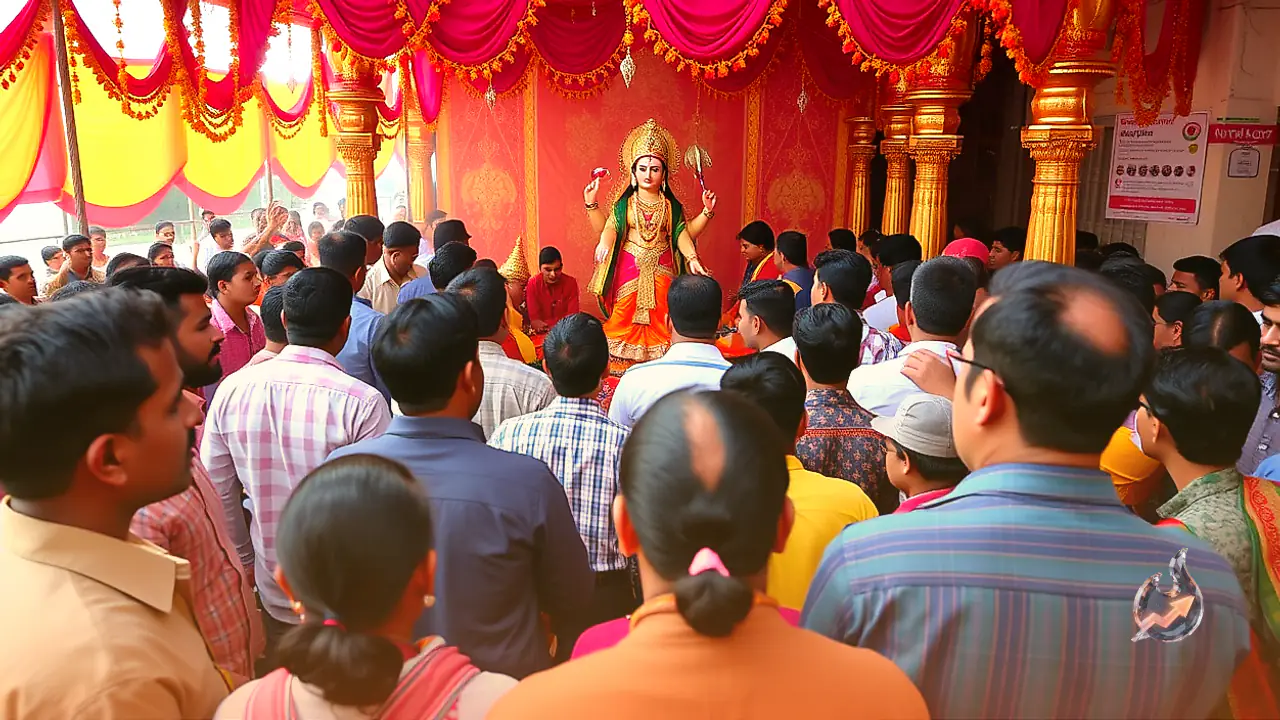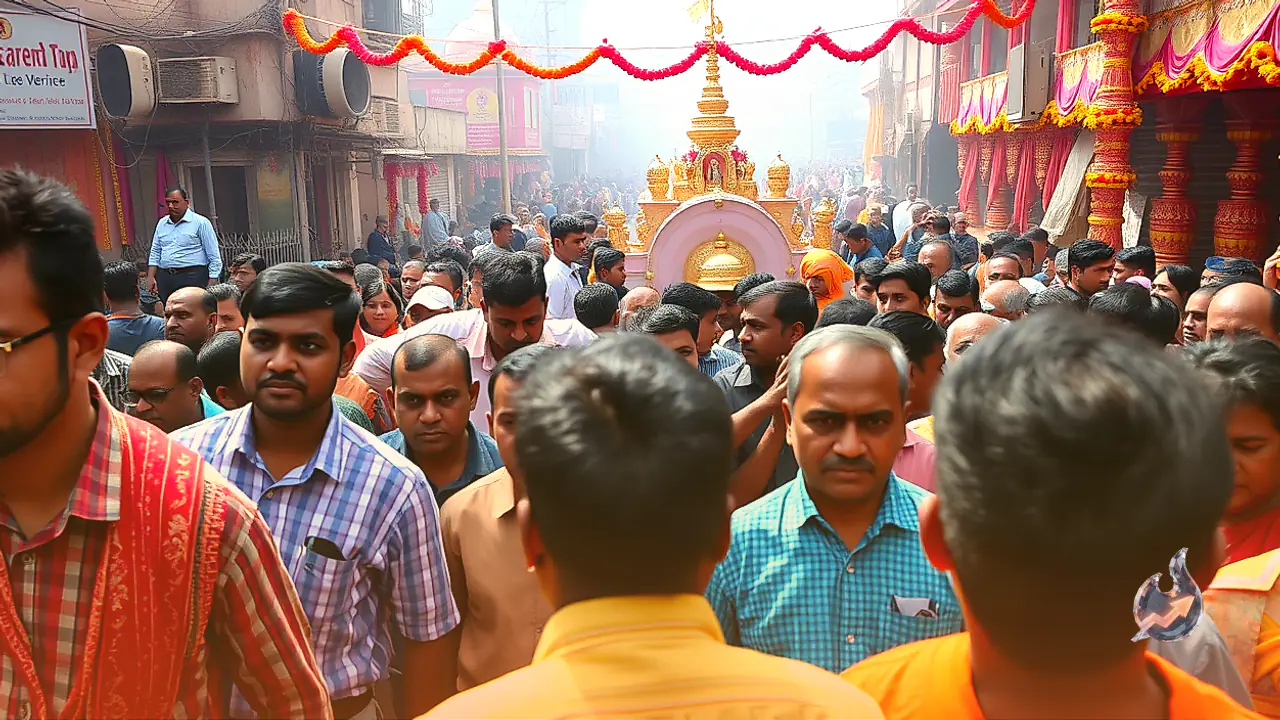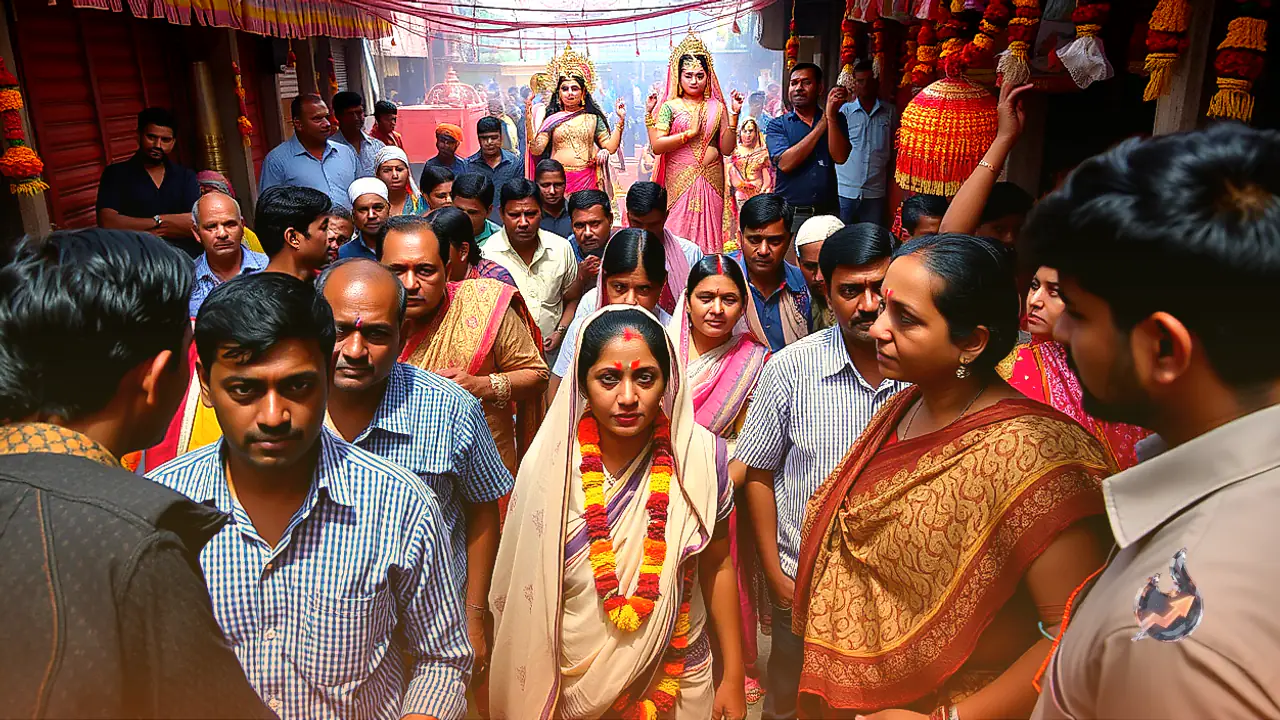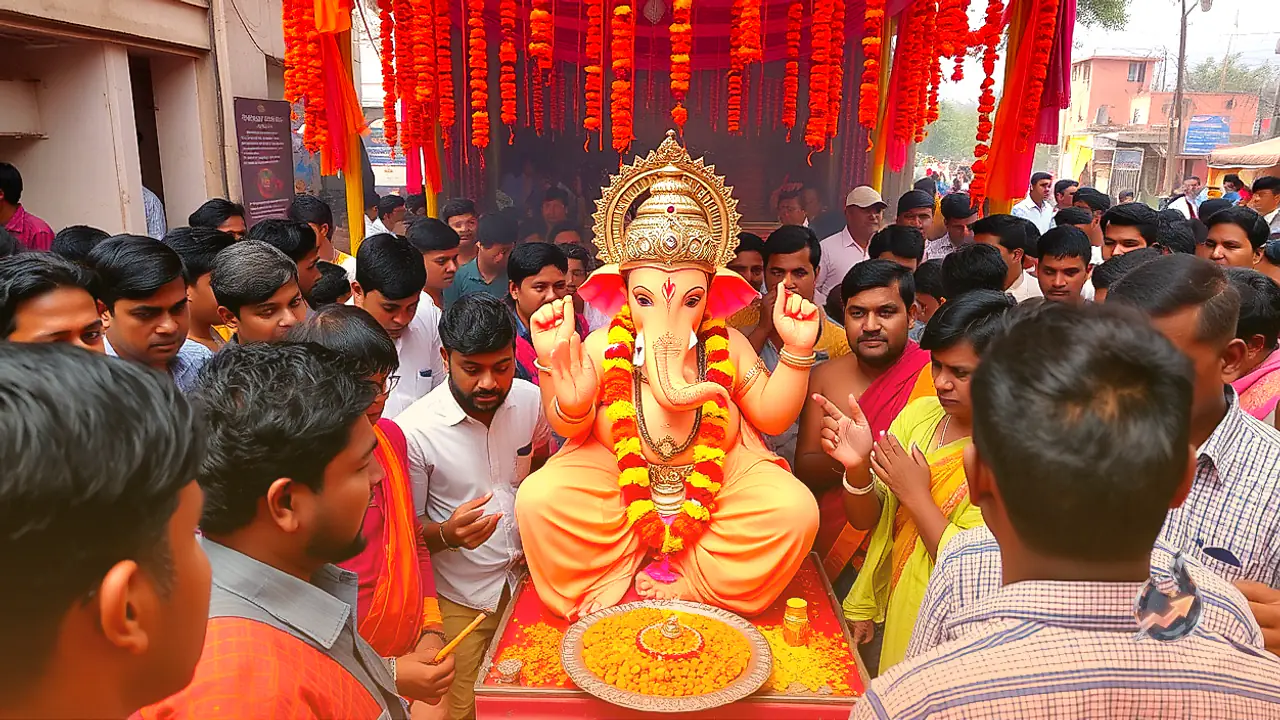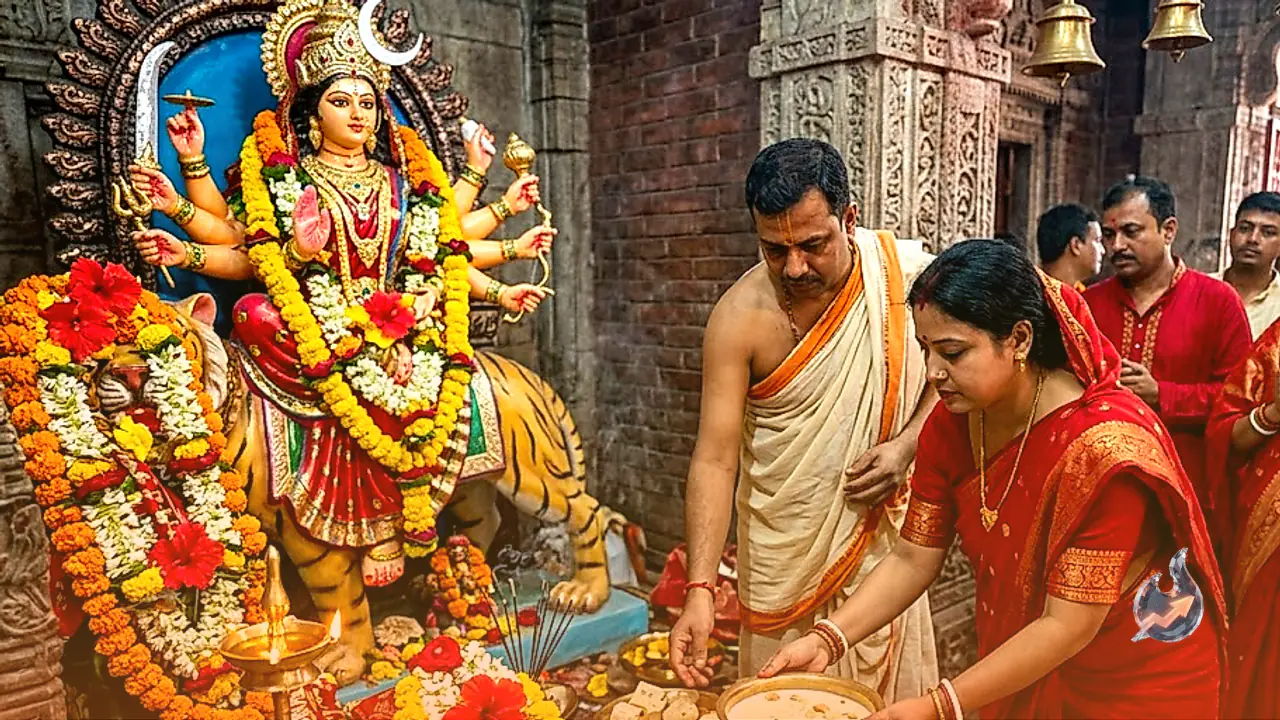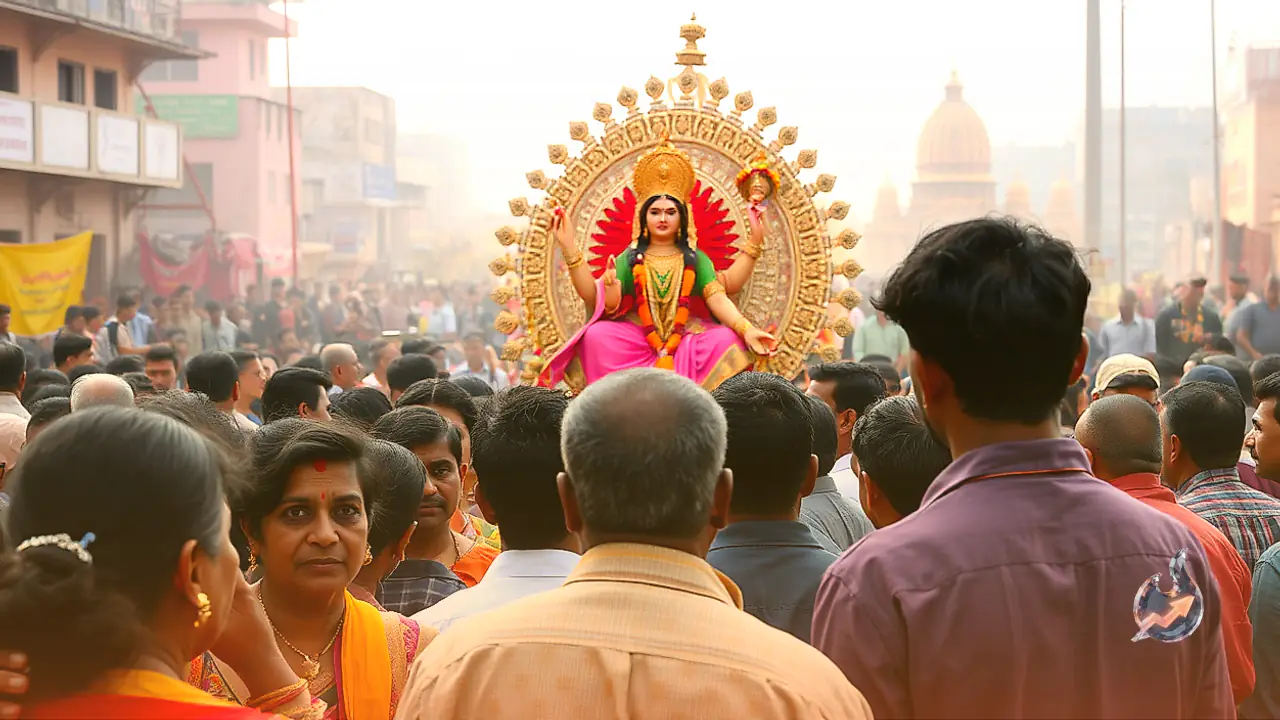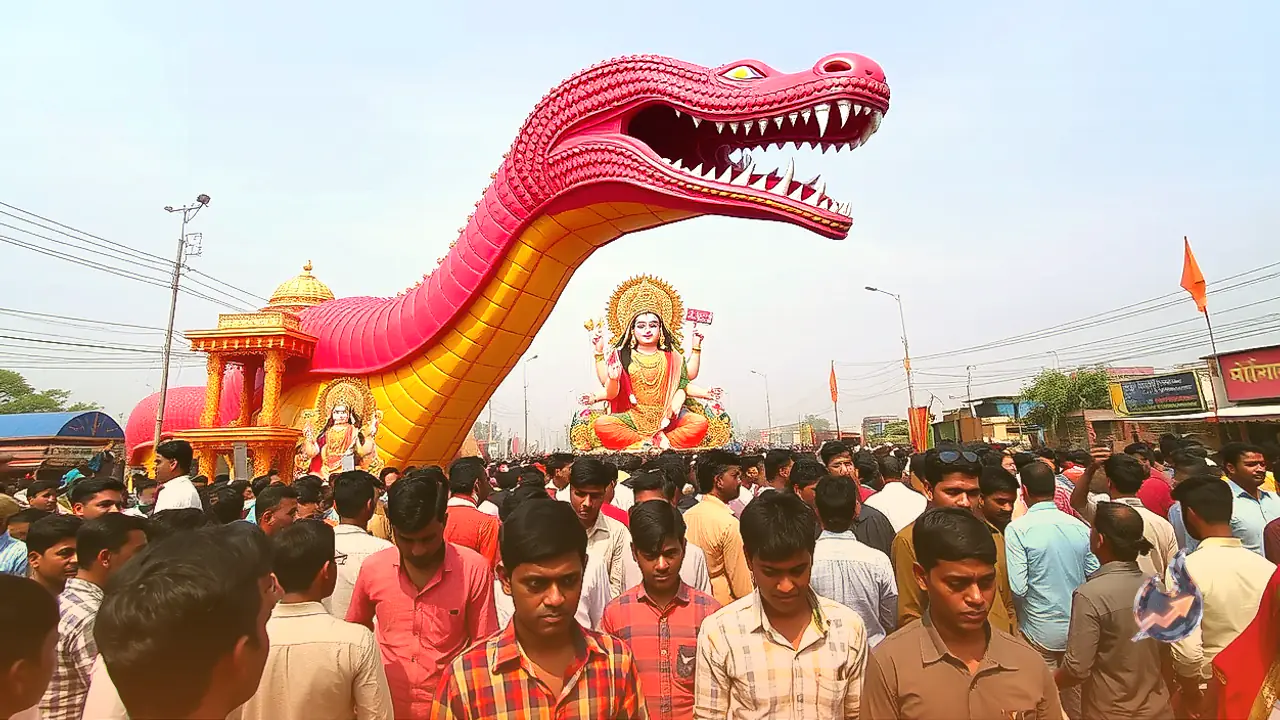





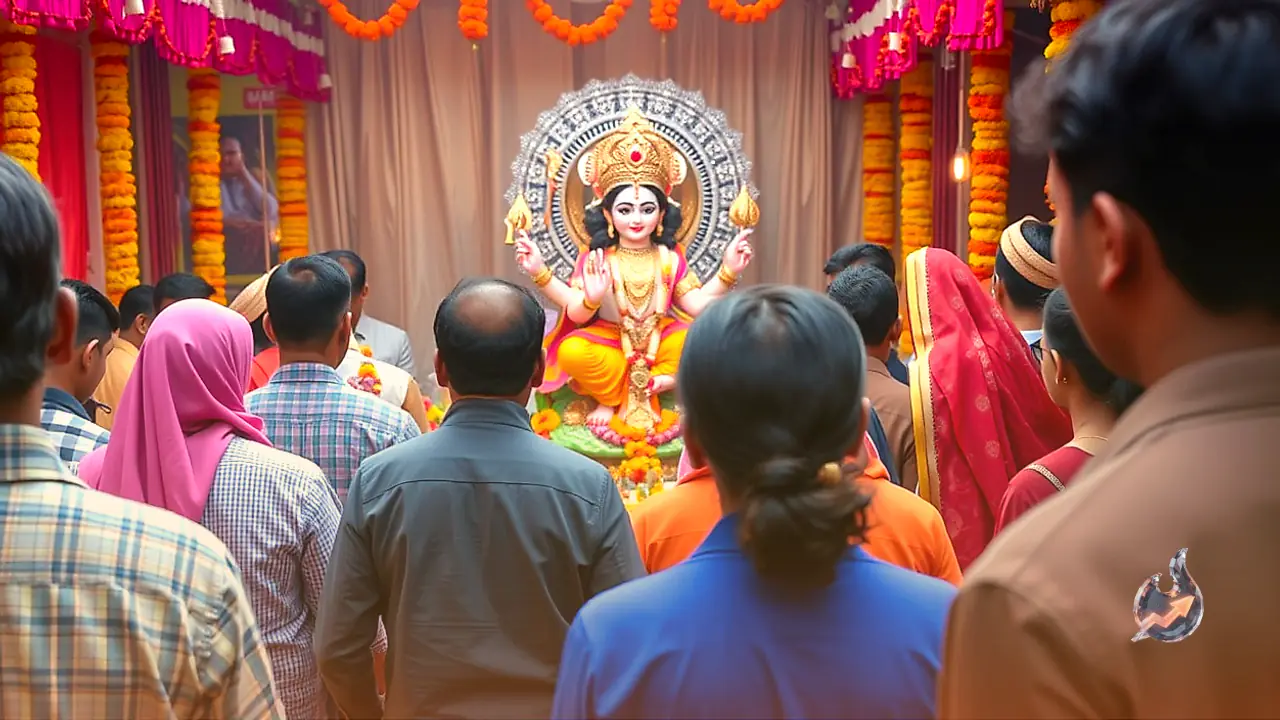

















The eighth day of the auspicious Navratri festival holds immense significance as worshippers across the country dedicate their prayers to the eighth incarnation of Goddess Durga, Mata Mahagauri. This special date is widely celebrated as Mahashtami or Durga Ashtami. During this period, temples witness large gatherings of devotees seeking divine grace and prosperity for their families. The appearance of Mata Mahagauri is described as exceptionally calm, beautiful, and fair-complexioned, which makes the selection of specific colors and flowers during her worship deeply significant. Traditional practices and rituals are observed meticulously by followers to invoke her blessings on this holy day.
The Divine and Serene Form of Mata Mahagauri
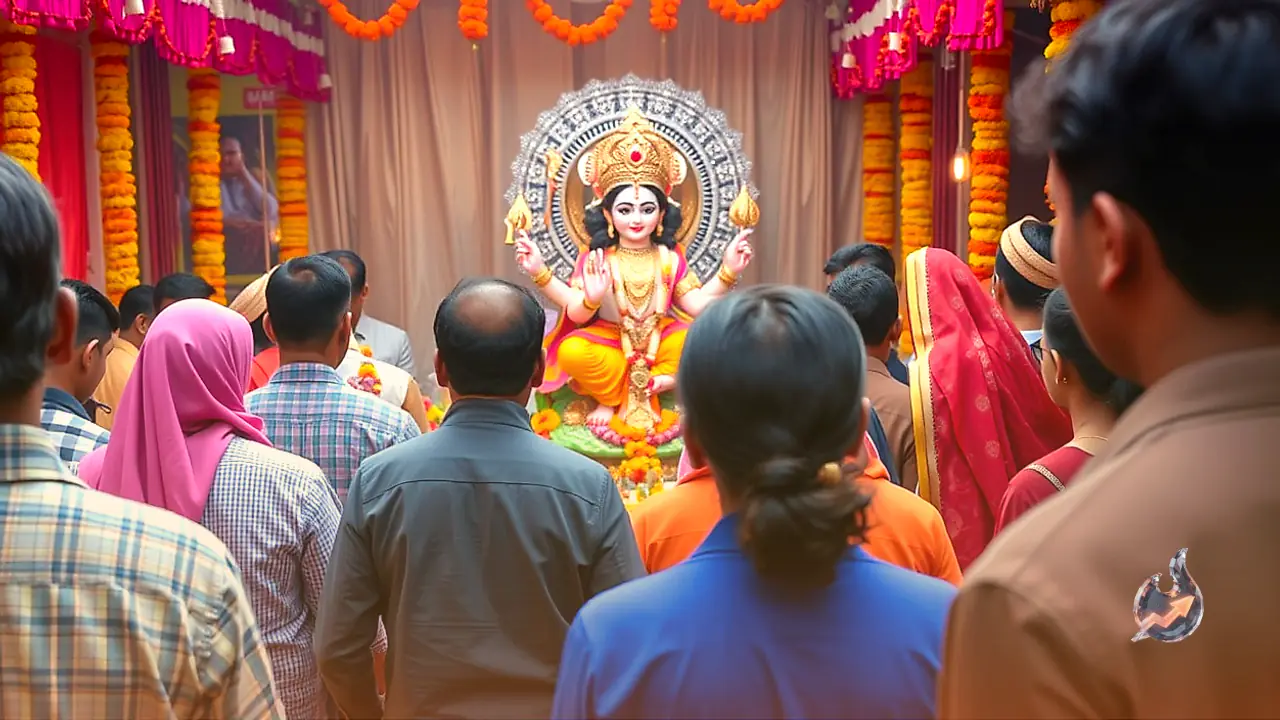
According to sacred texts, Mata Mahagauri represents the eighth form of Goddess Durga, characterized by a peaceful, gentle, and mesmerizing demeanor. The deity is depicted with four arms, holding a trident in one of her right hands and a damru in the other, while her remaining two hands are postured in abhaya and vara mudras, bestowing fearlessness and boons upon her devotees. She is widely regarded as the ultimate symbol of purity, compassion, and gentleness. On the occasion of Mahashtami, followers pray to her with utmost devotion to invite peace, happiness, and prosperity into their lives.
Auspicious Colors to Wear on Mahashtami
The color white holds immense prominence in the rituals dedicated to Mata Mahagauri, as it symbolizes peace, purity, and serenity, closely aligning with her fair complexion. Additionally, the color red is traditionally viewed as an emblem of auspiciousness and vitality. Followers often choose to wear white or red attire while participating in the prayers on Mahashtami. Dressing in clean, simple garments and approaching the goddess with a pure heart and unwavering faith is considered highly rewarding and spiritually uplifting.
Significance of Jasmine Flowers
When it comes to offering floral tributes, jasmine flowers are considered particularly auspicious for pleasing Mata Mahagauri. The delicate fragrance and pristine white color of jasmine harmonize seamlessly with the calm and spotless nature of the goddess. Devotees make it a point to include jasmine blossoms in their worship plates on Mahashtami. However, spiritual traditions emphasize that genuine devotion and a pure heart remain far more valuable than material offerings during any sacred ritual.
Tradition of Offering Coconut Prasad
The culinary offerings dedicated to Mata Mahagauri traditionally center around coconuts and sweets prepared from coconut. Devotees frequently offer coconut burfi, laddoos, and fresh whole coconuts as part of their devotional service. It is widely believed that prayers offered with a sincere and honest heart are always answered by the goddess, granting fulfillment to the worshipper. Following traditional protocols and maintaining purity during the Mahashtami worship ensures that the spiritual benefits of the observance are fully realized.