























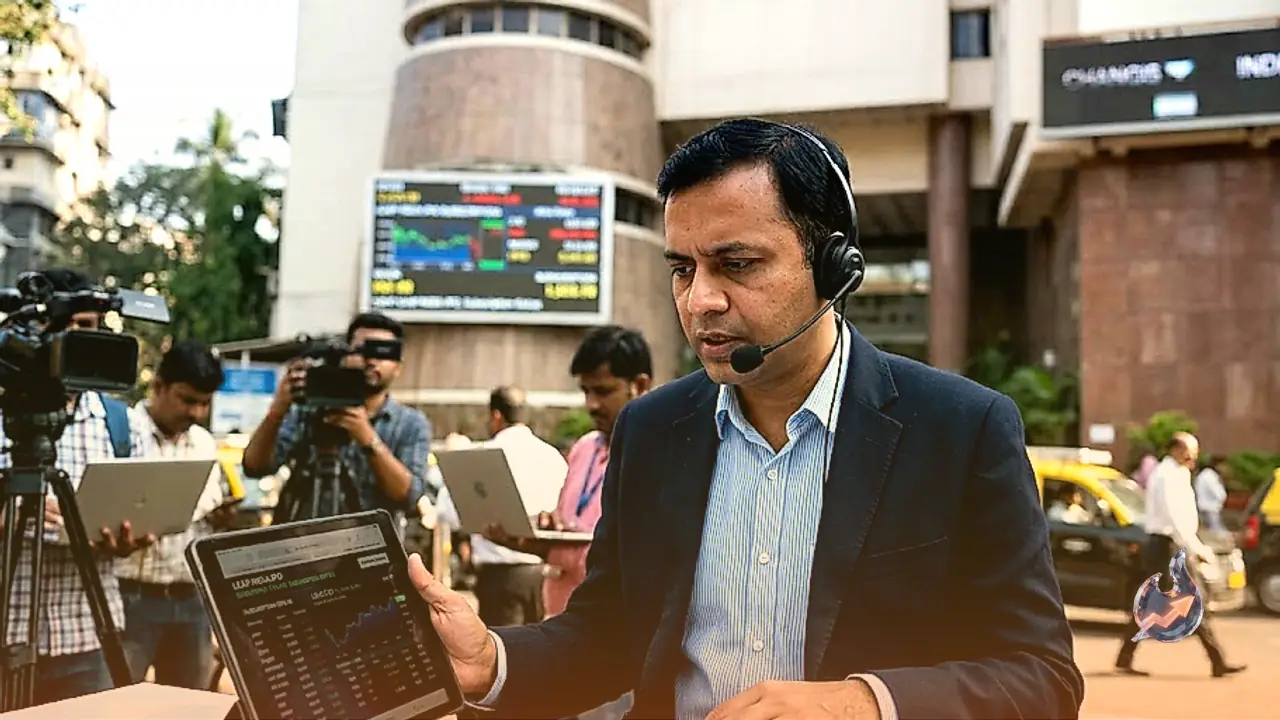

Market participants tracking the Rs 2,480 crore mainboard IPO of Leap India are closely evaluating the unfolding subscription numbers and grey market signals as the public offering advances into its second day. The massive issue has drawn significant attention from retail and institutional investors alike, setting the stage for a compelling bidding phase.
Subscription Progress And Grey Market Premium Update
The public offering kicked off by securing a 28 percent subscription rate on the very first day of bidding. Alongside the subscription metrics, the grey market trends have also captured the interest of market watchers. According to data tracked on the morning of August 10 at 7:32 am, the current IPO GMP hovered around Rs 16 per share. Factoring in this estimated grey market premium alongside the upper price band set at Rs 159 per share, the anticipated listing price points toward roughly Rs 175 per share, derived by combining the upper price boundary with the prevailing GMP. This trajectory hints at a potential per share gain or loss of around 10% for successful allottees.
Brokerage Perspective And Neutral Rating From SBI Securities
Ahead of the subsequent bidding days, prominent brokerage houses have issued their evaluations. SBI Securities assigned a Neutral rating to the Leap India IPO, highlighting the enterprise's dominant market position as the largest asset-pooling player in the country. The brokerage noted that the firm's widespread nationwide service network, established brand equity, and technology-driven asset management capabilities are positioned to work in favor of the enterprise over the long run.
Operational Scale And Asset-Pooling Business Model
Operating primarily within India's intricate supply chain management sector, the company stands out as the largest on-demand asset pooling provider. Official figures as of March 31, 2026, indicate that the enterprise manages a massive pool of 14.7 million assets while maintaining a widespread pan-India infrastructure encompassing more than 10,100 customer touchpoints. The circular business model deployed by the firm provides vital operational backing to its clientele while actively reducing environmental footprints and enhancing both time-cost efficiency and supply chain safety.
The service portfolio encompasses technology-enabled supply chain solutions designed to interconnect various milestones of the client's value chain. Specifically, the business leases out pallets and containers to customers through a structured pooling mechanism, while material handling equipment or MHEs are extended via formal hire arrangements.
Growth Drivers And Key Business Risks
Looking ahead, several growth catalysts back the firm's expansion potential, including the rising market penetration of palletisation and pallet pooling, deeper penetration across existing industries, seamless integration throughout the supply chain ecosystem, and ambitious international expansion blueprints. Conversely, prospective participants must weigh certain inherent risks. The financial stability of the firm relies heavily on sustaining long-term customer relationships, managing reusable assets effectively, absorbing rising operational costs, and navigating intensifying market competition.