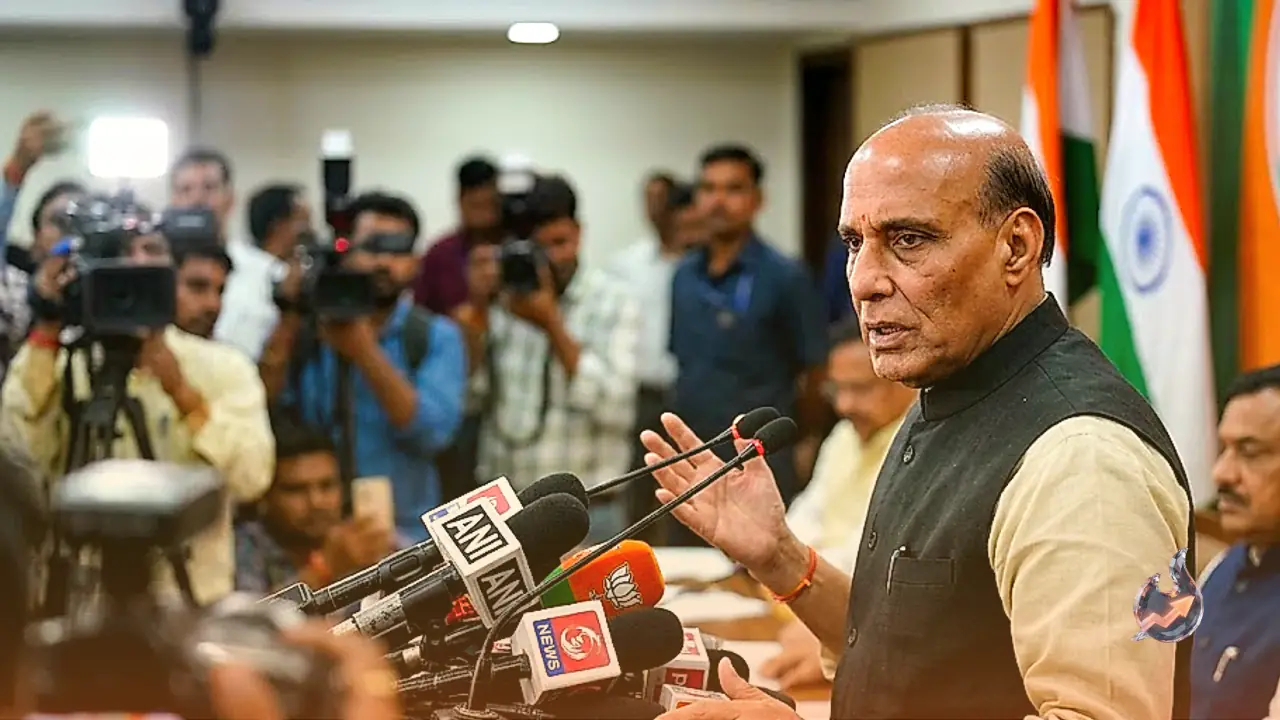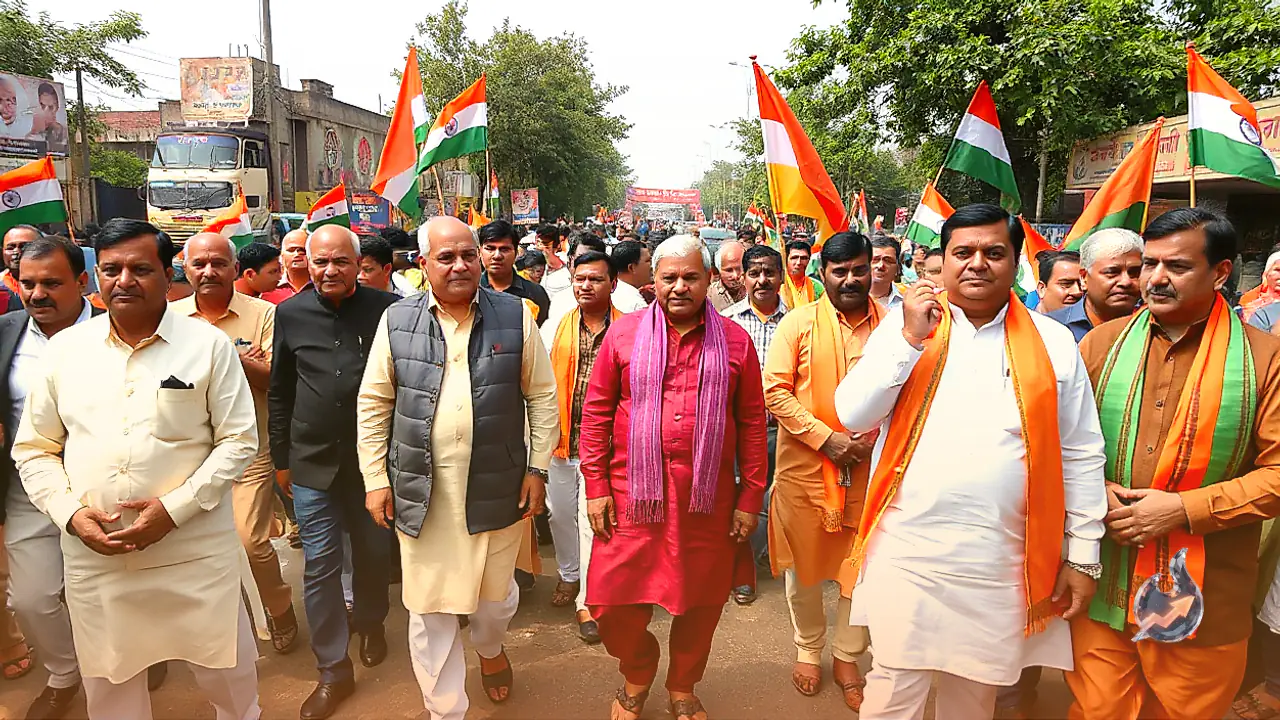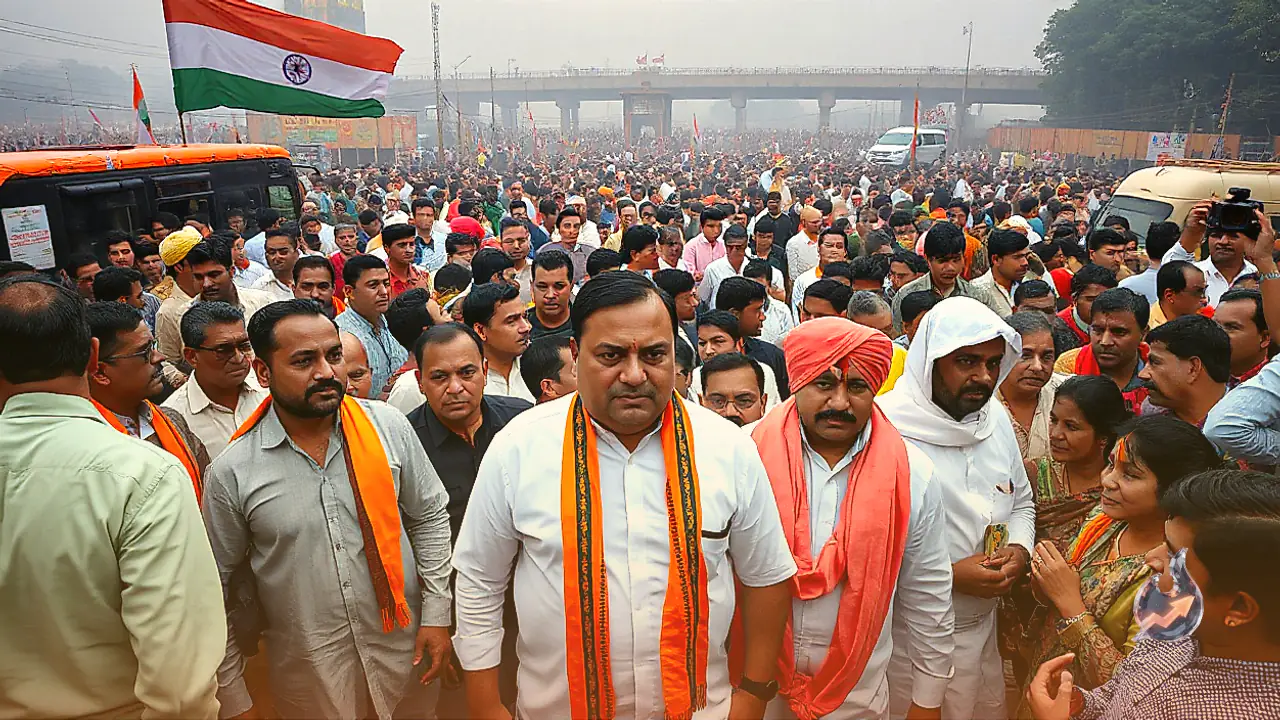























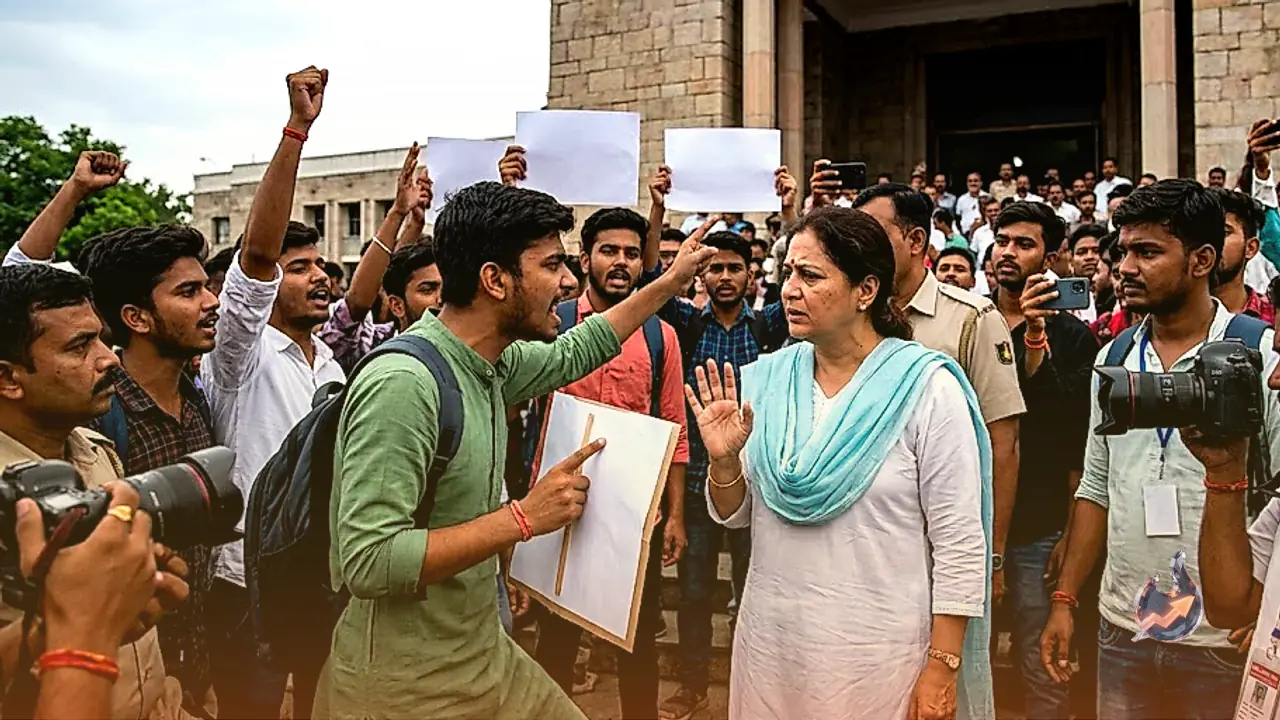

Having placed examination integrity and candidate rights at the center of its national political push through initiatives like the 'Chhatron Ki Goonj' campaign, the Congress party now finds itself facing a tricky political scenario in Jharkhand. Student protests over alleged irregularities in competitive examinations organized by the Jharkhand Public Service Commission and the Jharkhand Staff Selection Commission reached a high point with a march toward the state assembly. The demonstration targets Chief Minister Hemant Soren's administration, in which Congress is a key coalition partner, creating a complex balance for the party.
Concerns Over JPSC and JSSC Recruitment Exams
The core of the recent unrest surrounds allegations regarding the 14th JPSC Civil Services Examination. Following the announcement of preliminary results, candidates raised concerns regarding the absence of category-wise cut-off scores and anomalies in the merit lists. The controversy deepened after former JPSC chairman L. Khiangte resigned during an ongoing CID investigation that led to raids and arrests.
Aspirants have expressed dissatisfaction over the JSSC Combined Graduate Level recruitment process as well. The agitation has grown beyond basic demands for re-evaluations, with student organizations pressing for systemic reforms and independent investigations. The opposition BJP has capitalized on the developments, demanding a probe by the Central Bureau of Investigation while accusing the state government of failing to maintain transparent recruitment systems.
Congress Strategy and High Command Response
Rather than distancing itself from the protests, Congress leadership chose to publicly align with the students. Party in-charge for Jharkhand K. Raju stated that Congress and leader Rahul Gandhi stand firmly alongside candidates fighting for their rights. A delegation from the party subsequently met Chief Minister Hemant Soren to request the formation of a ministerial committee aimed at directly engaging with student representatives.
Addressing the broader situation during an online interaction, Rahul Gandhi remarked that current educational and recruitment frameworks have grown overly oppressive. Pointing to prior observations in locations such as Dehradun, Kota, and Allahabad, he stated that governments at all levels, whether led by the central administration, Congress, or the Jharkhand coalition, must listen to candidates and fix systemic shortcomings.
Congress President Mallikarjun Kharge also voiced support for student demands, reiterating that the party backs youth interests across all regions, including Jharkhand, Punjab, and Delhi.
Political Consistency Versus Coalition Stability
The situation presents a political tightrope for Congress. Having previously called for accountability at the federal level and demanded the resignation of Union Education Minister Dharmendra Pradhan over exam mishaps, ignoring candidate grievances in Jharkhand could invite accusations of political double standards from the BJP.
Conversely, taking an overly aggressive stance against the state administration risks straining the stability of the INDIA alliance coalition in Jharkhand. Consequently, the party continues to advocate for candidate concerns while urging its alliance partner to implement swift administrative resolutions.