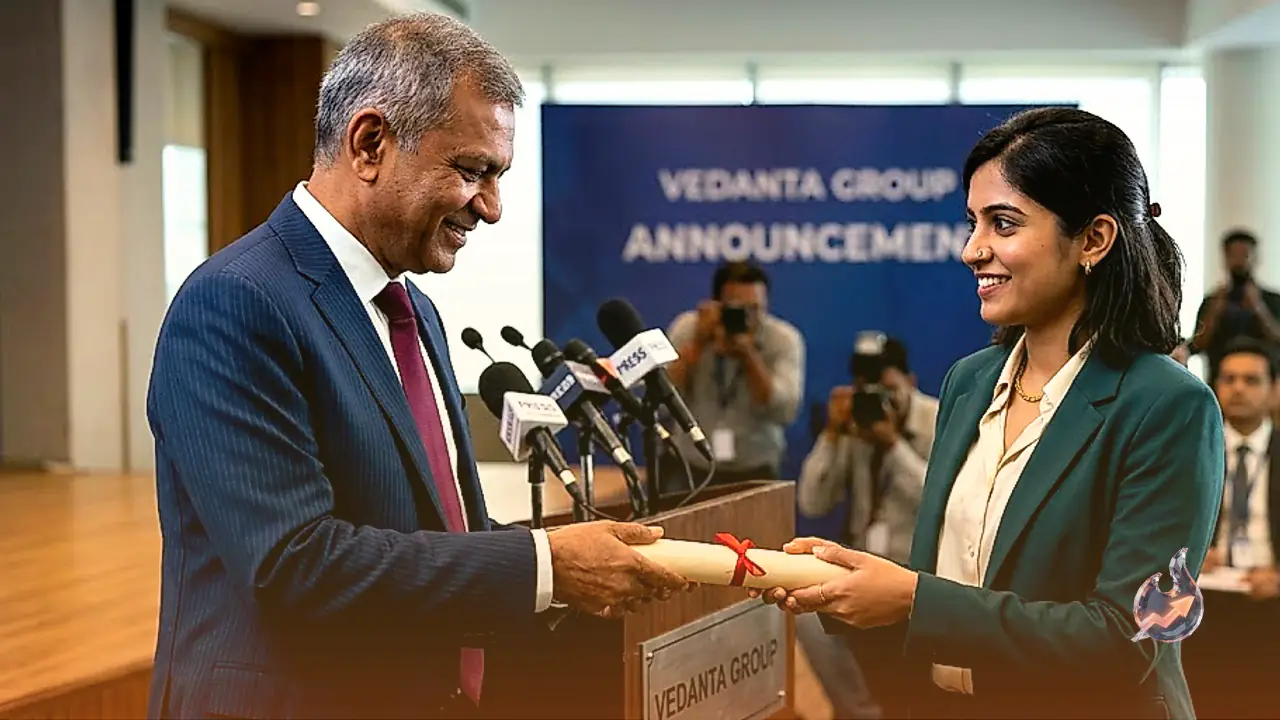
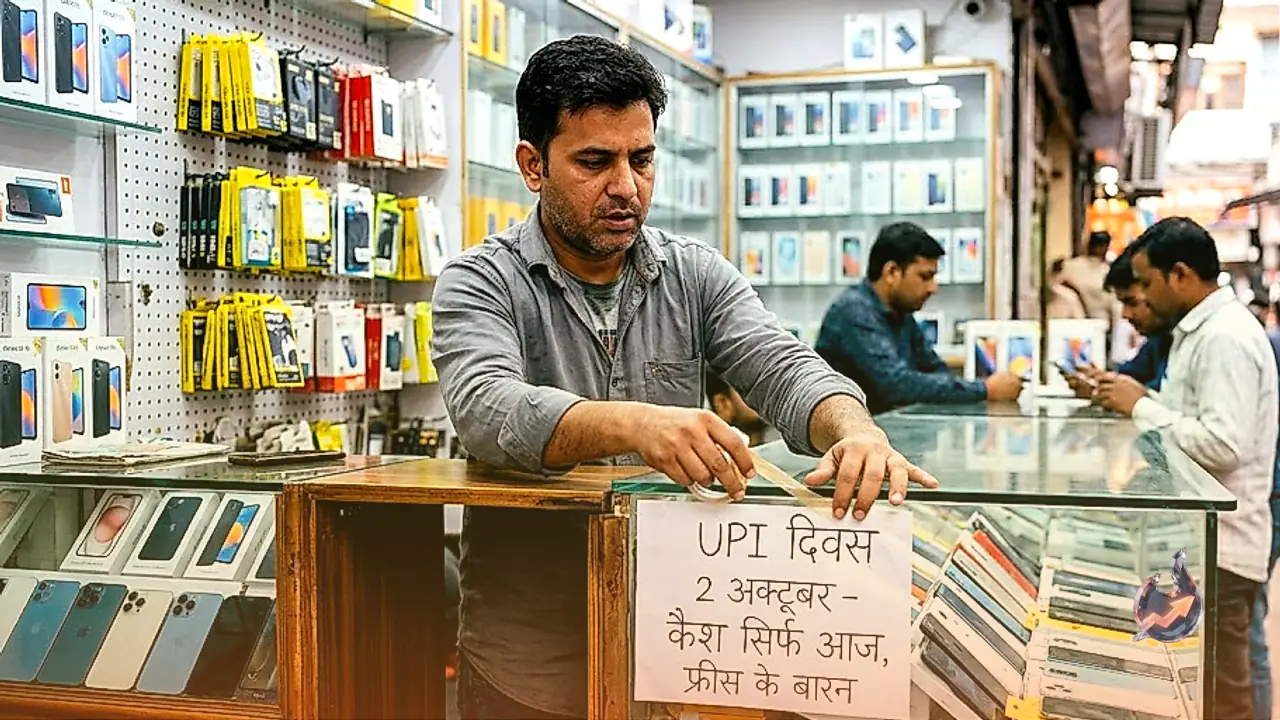


















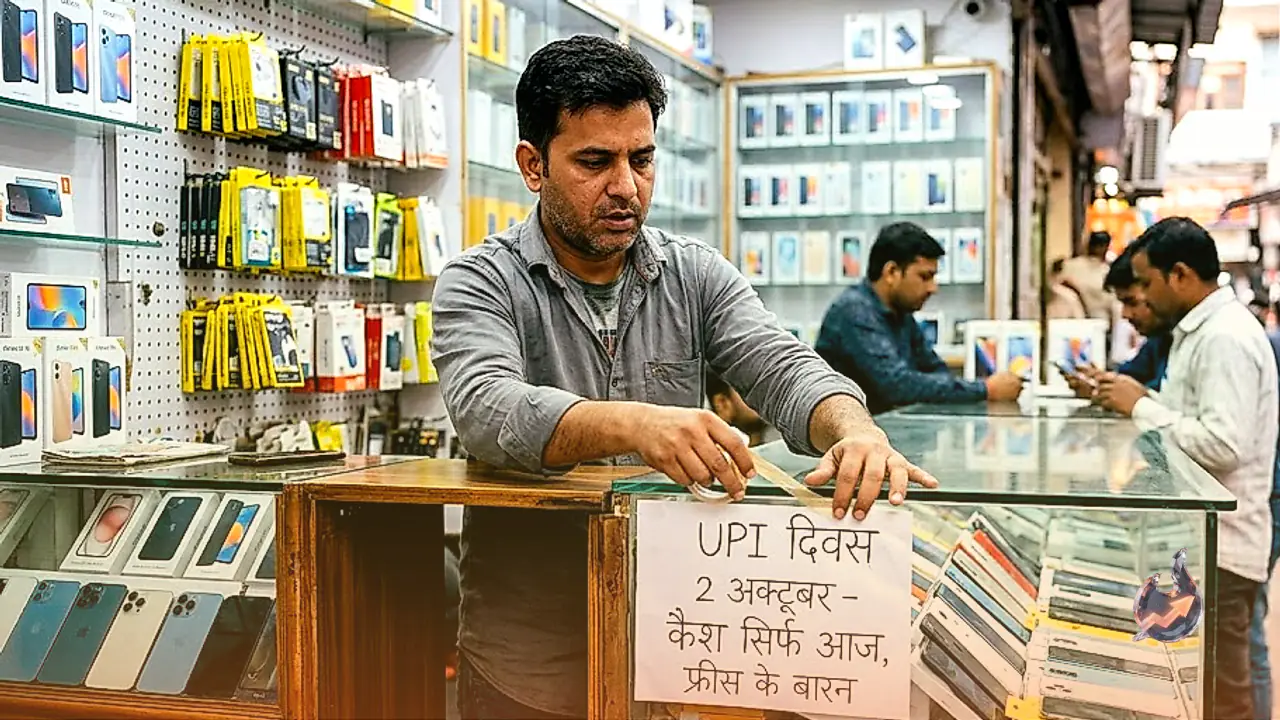

Mobile phone retailers across India are gearing up to halt Unified Payments Interface transactions on October 2 in protest against a planned financial levy. The trade community has declared the day as No UPI Day, aiming to draw urgent policy attention to the financial strain that new processing fees could impose on small store owners. Retailers fear that the extra expense will directly erode their already slender operational margins.
Black Cloth Over QR Codes On Gandhi Jayanti
The protest initiative was detailed by Tarvinder Singh, the vice president of the All India Mobile Retailers Association and president of its Delhi-NCR unit. Under the planned demonstration, store owners nationwide will symbolically drape black cloth over their payment QR codes on October 2, 2026, coinciding with Gandhi Jayanti. During the symbolic strike, shopkeepers will actively avoid accepting customer payments via the instant digital network, encouraging shoppers to use other payment channels instead.
The Anatomy Of The 0.4 Percent MDR Policy
The primary trigger behind the industry agitation is a proposed 0.4 percent Merchant Discount Rate, scheduled to take effect on October 15. The levy targets commercial transactions where the payment value exceeds Rs 2,000. While peer-to-peer transfers between individuals and small purchases below the Rs 2,000 threshold will continue without any deduction, high-value consumer electronics retailing falls squarely within the chargeable category, exposing handset sellers to significant costs.
Huge Financial Impact On Neighborhood Outlets
In an official memorandum addressed to Finance Minister Nirmala Sitharaman, the association outlined the sheer scale of the looming financial burden. Small vendors registering monthly digital receipts between Rs 5 lakh and Rs 30 lakh stand to lose anywhere from Rs 2,000 to Rs 12,000 in direct net income each month. On an aggregate scale, the association estimates that the 0.4 percent deduction will inflict a monthly blow of around Rs 40 crore on neighborhood mobile sellers, culminating in an annual drag of roughly Rs 500 crore.
Traders Seek Continuation Of Zero MDR Framework
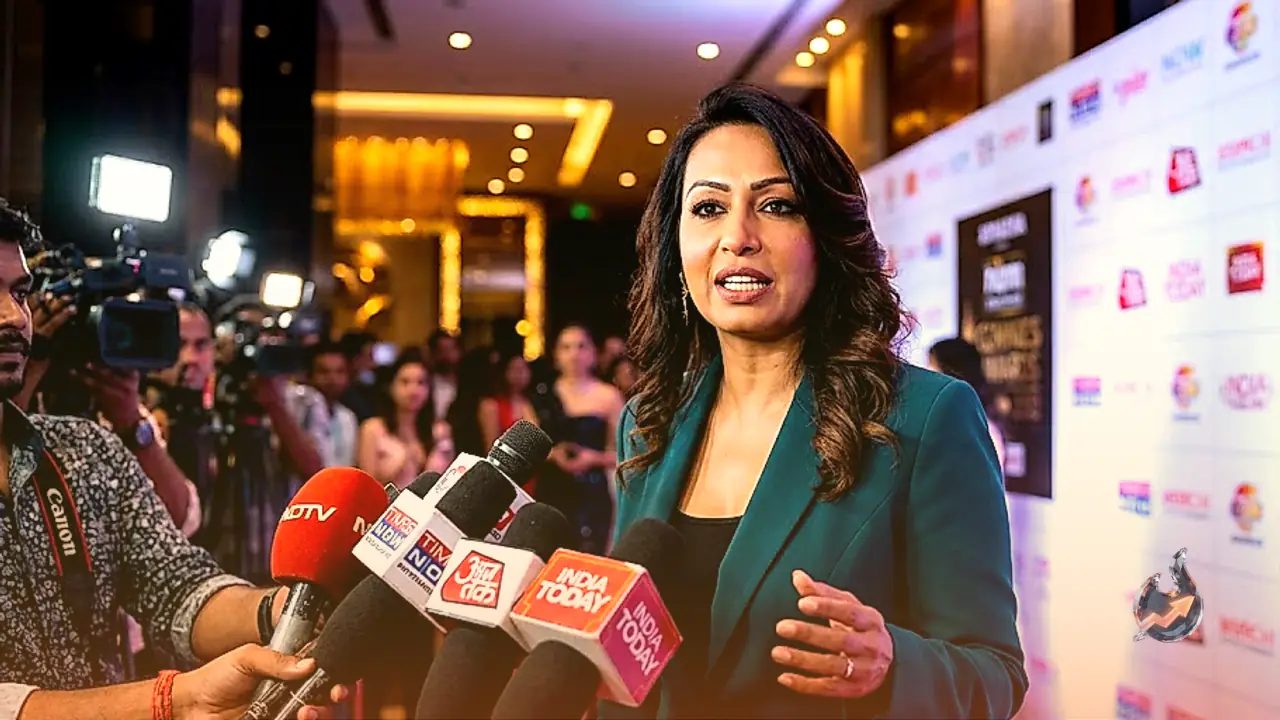
Trade representatives stressed that their protest does not signal resistance against digital modernisation or nationwide cashless adoption. Tarvinder Singh remarked, "If we want Digital India, then MDR on UPI must remain zero." Mobile retail owners maintain that shifting transaction costs onto merchants who supported the cashless transition is unjust, demanding that authorities maintain the zero-fee framework unconditionally to protect retail viability.