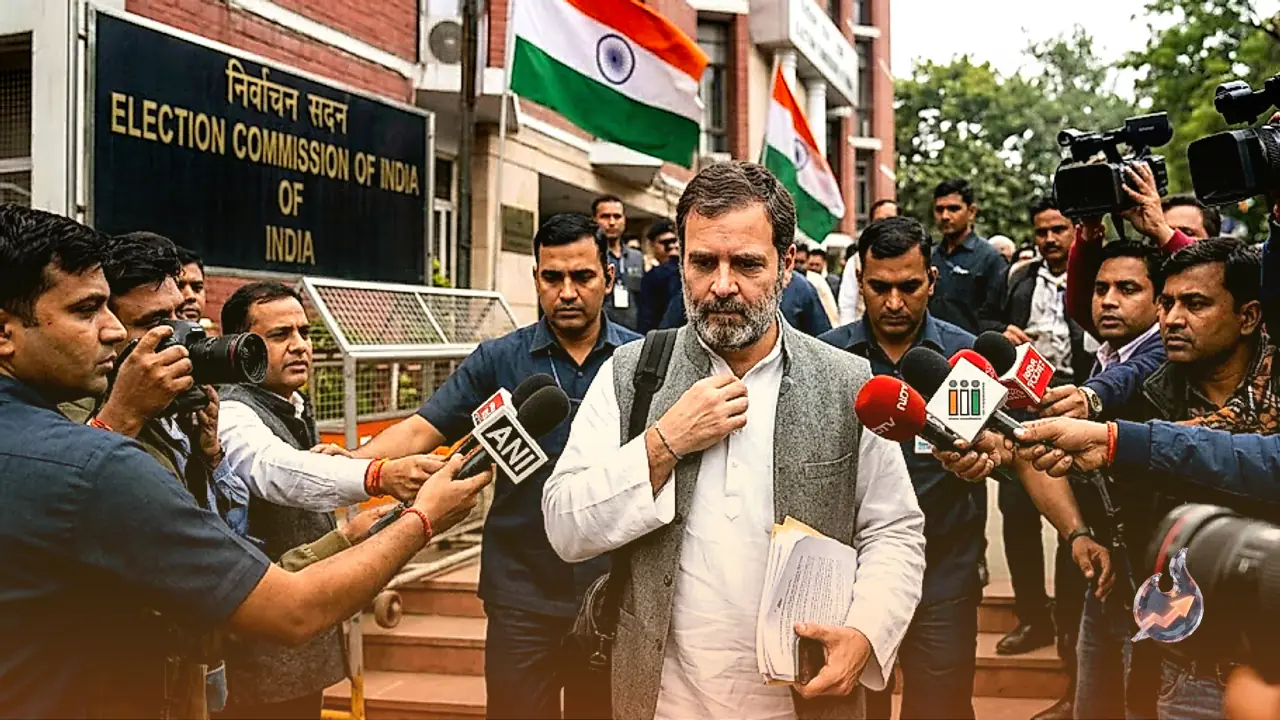























Political circles have witnessed a fresh surge in activity following a social media post by Leader of Opposition in Lok Sabha Rahul Gandhi. In his message, Rahul Gandhi shared that he enjoys swimming in the sea when the waves are rough, noting that turbulence is also a form of tranquility. This statement arrived during a sensitive period when opposition parties intensified their push to impeach Chief Election Commissioner Gyanesh Kumar following media reports regarding internal differences among election commissioners.
Protests and Serious Allegations Raised
The controversy gathered momentum after Kerala Congress highlighted claims made by former Kerala Chief Secretary GG Thomson. According to these assertions, Gyanesh Kumar had approached him with an offer to contest elections on a Bharatiya Janata Party ticket alongside a ministerial position. In response, Congress and several other opposition constituents staged protests across Delhi and nationwide demanding the resignation of the Chief Election Commissioner. Critics questioned the authority behind such alleged political recruitment efforts and why an official would engage in such activities.
Controversy Over Appointments and Electoral Rolls
Weighing in on the matter, Rahul Gandhi alleged that Gyanesh Kumar was utilized for recruitment purposes back when he was a serving bureaucrat before being entrusted with conducting national elections. He asserted that top leadership placed him in a neutral role while assigning responsibilities related to electoral processes. Opposition parties have consistently accused the poll panel of acting at the behest of the ruling establishment, pointing to the Special Intensive Revision process as a mechanism to remove names from voter lists.
Election Commission Clarification and Press Release
In the wake of these persistent allegations, the Election Commission convened an important meeting and released a detailed statement clarifying its position. The panel emphasized that all recent decisions across the country, including the Special Intensive Revision, were adopted with unanimous approval. According to the official release, instructions for the revision were issued on June 24, 2025, starting with Bihar and subsequently expanding to West Bengal and other states and union territories under collective agreement.
Phased Schedule and Final Publication Details
The commission further detailed that the schedule for the revision across 12 states and union territories was issued on August 27, 2025. Meanwhile, the schedule for another 19 states and union territories received unanimous approval and was released on May 14, 2026. The panel also clarified that the total count of voters across the remaining 12 states in the third phase can only be determined after the final publication of rolls is completed.
Ruling Party Counterattack
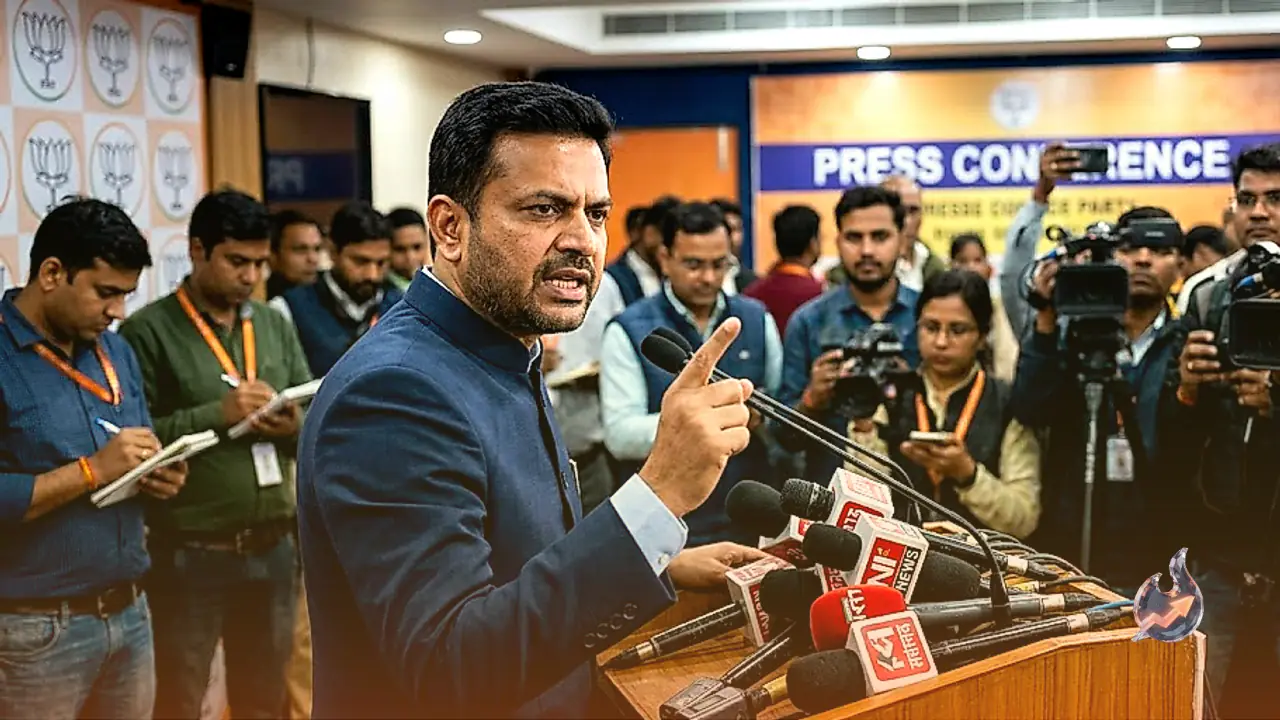
Following the release of the official clarification by the poll body, the Bharatiya Janata Party launched a counteroffensive against the opposition. The ruling party argued that since all decisions within the commission were arrived at through complete consensus, claims of dissent among commissioners held no ground. The political debate continues to center around the functioning of constitutional institutions and the integrity of the election machinery.