






















The arrival of the monsoon season presents both unique opportunities and significant operational challenges for fish farmers in Gonda. While rainfall naturally elevates water levels in ponds, which initially seems beneficial for aquaculture, it simultaneously compromises overall water quality if proper maintenance is neglected. Failure to implement timely protective measures can trigger widespread fish illnesses or sudden mortality, ultimately leading to heavy financial losses for aquaculturists. Consequently, maintaining a rigorous daily monitoring schedule for both pond hygiene and fish behavior becomes indispensable throughout the rainy months.
Managing Depleted Oxygen Levels and Water Quality
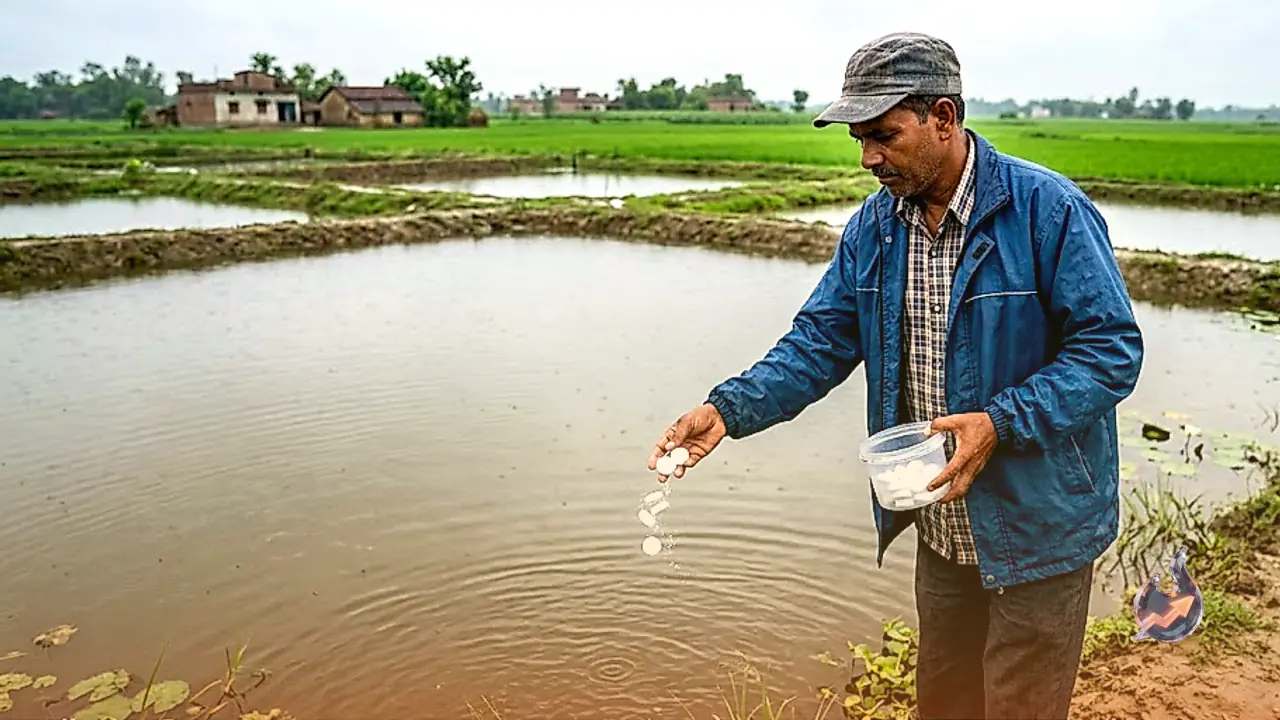
Continuous heavy rainfall frequently alters the chemical balance of pond ecosystems, leading to a sharp decline in dissolved oxygen levels. When oxygen becomes scarce in the water column, fish are forced to rise repeatedly to the surface to gulp air. According to fish farmer Gurucharan Nishad, ignoring these early indicators of respiratory distress can result in mass fish casualties within a short frame of time. To remedy this oxygen deficit, farmers can strategically deploy oxygen tablets across the water body while simultaneously managing water inflow and drainage to sustain optimal aquatic conditions.
Controlling Ammonia Spikes Through Lime Application
Another major issue arising during prolonged rains is the rapid accumulation of toxic ammonia within the pond environment. Elevated ammonia concentrations severely impair the immune system and physiological growth of fish, causing stunted development. To mitigate ammonia toxicity, aquaculturists are advised to apply appropriate quantities of agricultural lime based on expert recommendations. Lime application stabilizes the pH level of the water, neutralizes harmful compounds, improves overall water purity, and fosters a healthy habitat for fish growth.
Why Feeding Fish During Heavy Rains Is Detrimental
Aquaculturists strongly advise against distributing fish feed during heavy downpours. During rainy weather, the natural metabolic rate and feeding appetite of fish decrease noticeably compared to normal sunny days. Any supplementary feed thrown into the pond during rain remains unconsumed and gradually settles at the bottom of the water body. As this organic matter decomposes, it releases elevated levels of carbon dioxide and other toxic gases into the water, creating a dangerous environmental hazard for the aquatic stock.
Consistent Vigilance Guarantees Better Yield and Profitability
Sustaining regular checks on pond cleanliness, parameters of water quality, and the movement pattern of fish remains essential throughout the monsoon season. Gurucharan Nishad emphasizes that adopting simple proactive measures and staying attentive to water conditions enables fish farmers to safeguard their stock against avoidable loss. By maintaining systematic care, farmers can secure a robust harvest and maximize their financial returns at the market.