























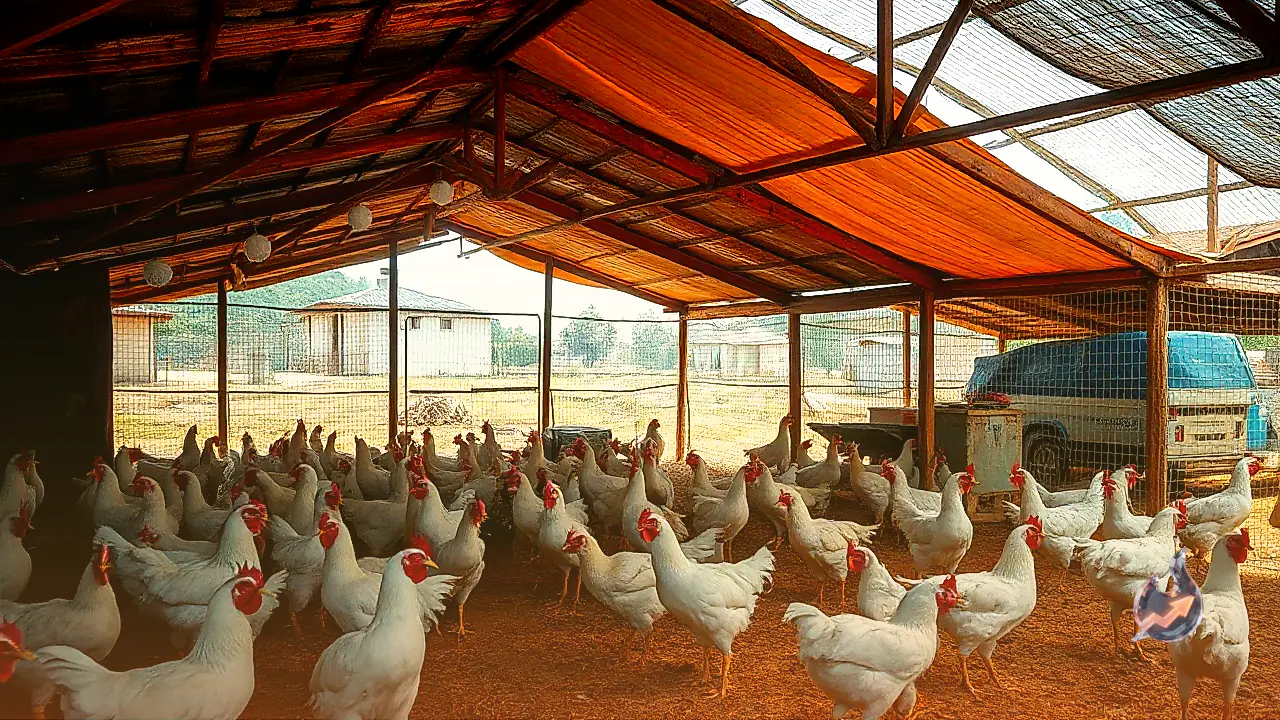

In various rural belts including the Gonda district of Uttar Pradesh, farmers and livestock keepers are increasingly adopting poultry farming as an effective source of supplementary income. Operating with relatively low setup costs, modest space requirements, and minimal resources, this agricultural enterprise offers strong financial returns. However, even minor oversights in flock management can trigger severe disease outbreaks, leaving poultry keepers with substantial economic losses. To safeguard birds against infections and ensure optimal growth, maintaining strict hygiene, constructing proper shed infrastructure, supplying balanced nutrition, and providing clean drinking water are paramount. Highlighting these operational standards, Deputy Chief Veterinary Officer Dr. Rakesh Kumar Tiwari from Gonda outlined five fundamental practices essential for keeping poultry healthy and maximizing farm profitability.
Proper Orientation and Elevation of the Poultry Shed
The structural design and positioning of a chicken coop play a foundational role in the overall success of poultry farming. Persistent humidity, accumulated waste, or inadequate air circulation inside the shed create an environment ripe for bacterial and viral infections. According to Deputy Chief Veterinary Officer Dr. Rakesh Kumar Tiwari, poultry sheds should ideally be constructed roughly 2 feet above ground level. Elevating the facility prevents ground moisture and surface dirt from coming into direct contact with the flock. Furthermore, orienting the shed in an East-to-West direction ensures continuous natural airflow across the building. This orientation helps stabilize internal temperatures while efficiently dispersing harmful gases and excess humidity.
Daily Sanitation Protocols and Litter Management
Maintaining daily hygiene standards is critical to stopping the spread of contagious pathogens within poultry facilities. Farm operators must regularly remove droppings, shed feathers, and organic debris from the coop floor every single day. Special attention must also be paid to the bedding material, or litter, laid out for the birds. Whenever moisture or dampness accumulates in the litter, it should be removed instantly and replaced with fresh, dry bedding. Prolonged exposure to damp floors significantly elevates the risk of leg deformities, skin lesions, and respiratory tract infections among poultry. Consistent sanitation bolsters the birds' immunity and preserves flock health.
Balanced Feed Storage and Clean Water Access
Providing birds with fresh and nutritionally balanced feed is vital for their physical development and immune function. Feeding poultry stale, spoiled, or mold-contaminated grain can severely damage their digestive systems and spread toxic infections throughout the entire flock. All feed supplies must be stored in dry, clean, and moisture-free environments. Additionally, nutritional rations should be tailored to the specific age group and physiological requirements of the birds, ensuring all members of the flock receive equal access to nourishment. Regarding hydration, clean and fresh drinking water must remain accessible to the birds at all times. Water troughs and dispensing containers require routine washing and disinfection. During intense summer heat, ensuring an uninterrupted supply of cool water is particularly crucial to prevent thermal stress.
Seasonal Climate Adaptation and Flock Monitoring
Poultry nutritional and environmental requirements vary across seasons, necessitating prompt adjustments to farm management as weather conditions change. During the summer months, coops require maximum ventilation to maintain adequate airflow and lower indoor temperatures. Conversely, during winter, protective curtains or barriers must be installed to shield the flock from freezing wind drafts. When sudden weather shifts occur, farmers must closely monitor their birds for changes in behavior or physical condition.
Symptom Recognition and Veterinary Intervention
If an individual bird becomes lethargic, reduces its feed and water intake, or displays visible signs of illness, it must be isolated immediately from the healthy flock. Promptly separating sick birds prevents contagious pathogens from spreading to the rest of the unit. In cases where multiple birds fall ill simultaneously or sudden mortalities are observed, farmers should seek immediate professional assistance from a qualified veterinarian rather than attempting unverified treatments. Dr. Rakesh Kumar Tiwari emphasizes that combining sound housing design, rigid hygiene, balanced feed, clean water, and seasonal care effectively protects poultry units against preventable economic losses.