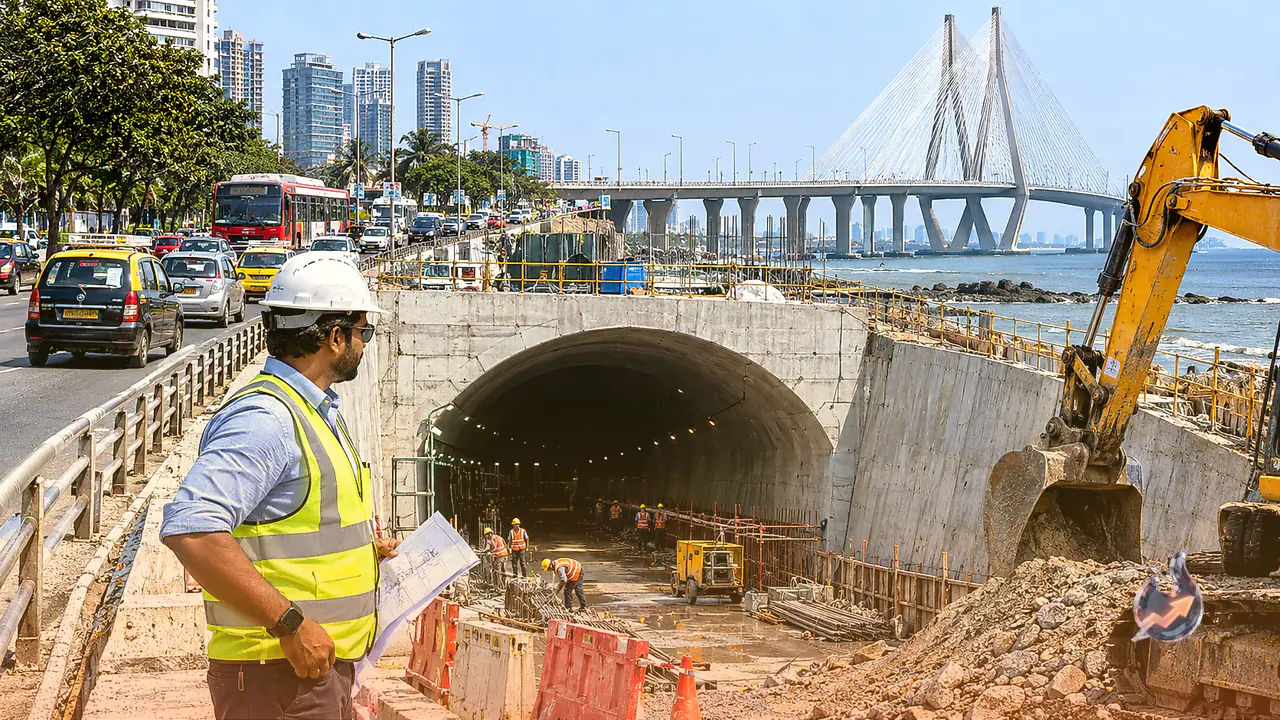

To combat the severe traffic congestion plaguing the country financial capital, the Maharashtra government has cleared a massive infrastructure undertaking. The proposed underground road network project, carrying an estimated cost of 53,928.2 crore rupees, has received in-principle approval. This extensive initiative involves building a 31-kilometer underground corridor designed to link the western and central parts of the city while extending connectivity to the eastern suburbs.
Extensive 31-Kilometer Tunnel Network
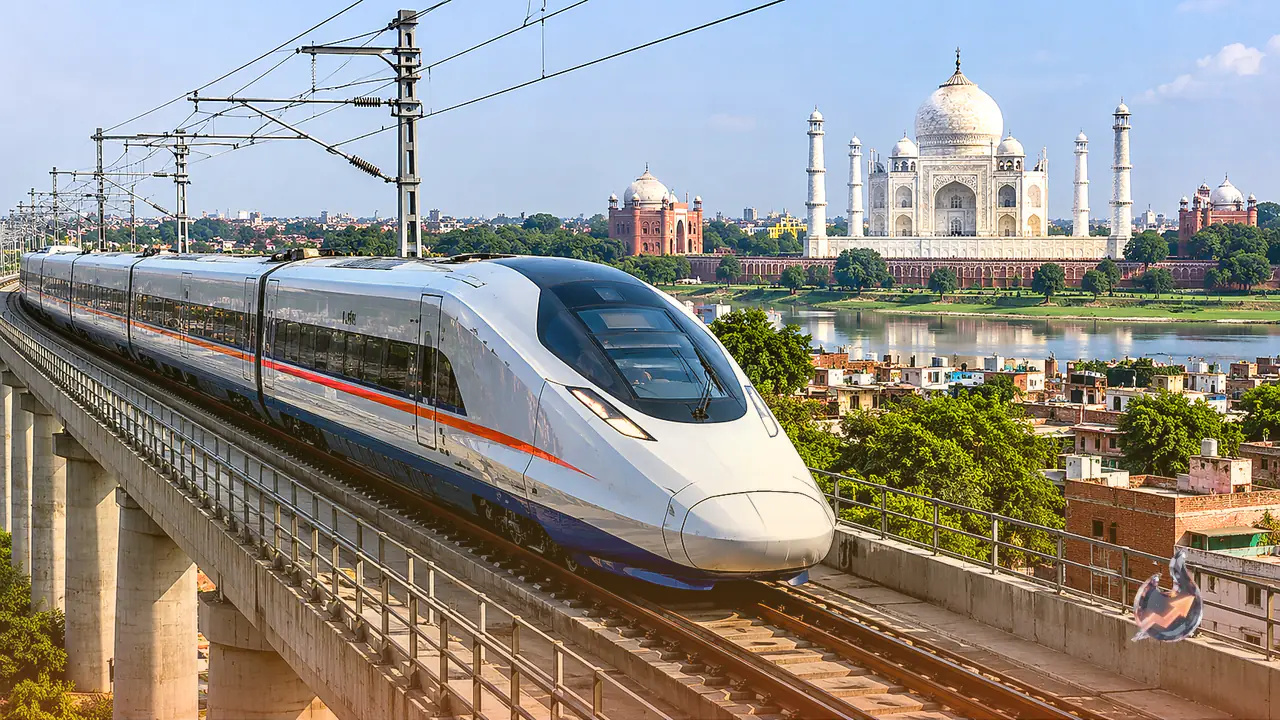
The planned underground roadway will interconnect major transportation arteries including the Bandra-Worli Sea Link, Bandra-Kurla Complex, Dharavi, Mumbai International Airport, Western Express Highway, and Eastern Express Highway. Additionally, plans include providing direct connectivity to the bullet train station located at the Bandra-Kurla Complex. The entire undertaking is scheduled for completion in two phases, where the first phase will integrate the western and central regions, and the second phase will extend the network toward Ghatkopar.
Routing Beneath Mithi River
A central section of the project will run beneath the Mithi River between the Bandra-Kurla Complex and Dharavi. Emerging from the riverbed, the underground passage will branch out in four distinct directions. One route will link to the Bandra-Worli Sea Link offering access to the coastal road network, the second will head toward Dharavi, the third will connect to G Block in the Bandra-Kurla Complex, and the fourth will proceed northward to Mumbai International Airport. Exits and connecting tunnels will also be established near Chunabhatti and Vile Parle.
High Speed Commuting Up To 80 Kmh
Presently, average vehicle speeds on several key Mumbai thoroughfares drop down to 15 to 20 kilometers per hour due to heavy congestion. Once operational, vehicles traveling through the proposed underground corridors will be able to maintain speeds of up to 80 kilometers per hour. Following the initial announcement of the project, subsequent approvals now allow the Mumbai Metropolitan Region Development Authority to advance toward the next operational stages, which involve appointing general consultants, securing funding, and obtaining statutory clearances.
Technical Challenges and Environmental Approvals
Excavating tunnels beneath a densely populated urban environment brings numerous technical and administrative hurdles. Planners must navigate existing metro corridors, underground utility lines for water and electricity, and other foundational infrastructure. Approximately 20 no-objection certificates may be required from various government agencies. Sections passing near the Mithi River and mangrove patches will necessitate coastal regulation zone clearances and other environmental permits, alongside possible approvals from the Bombay High Court where mandated.
Tunnel construction will primarily utilize advanced tunnel boring machines, while entry and exit ramps will employ cut-and-cover and U-trough techniques. Due to pre-existing subterranean infrastructure, certain stretches of the tunnel must be engineered at considerable depths. Financing the 53,928.2 crore rupee project involves evaluating domestic resources alongside potential loans from international financial institutions, ultimately aiming to transform regional connectivity across Mumbai and Thane.