























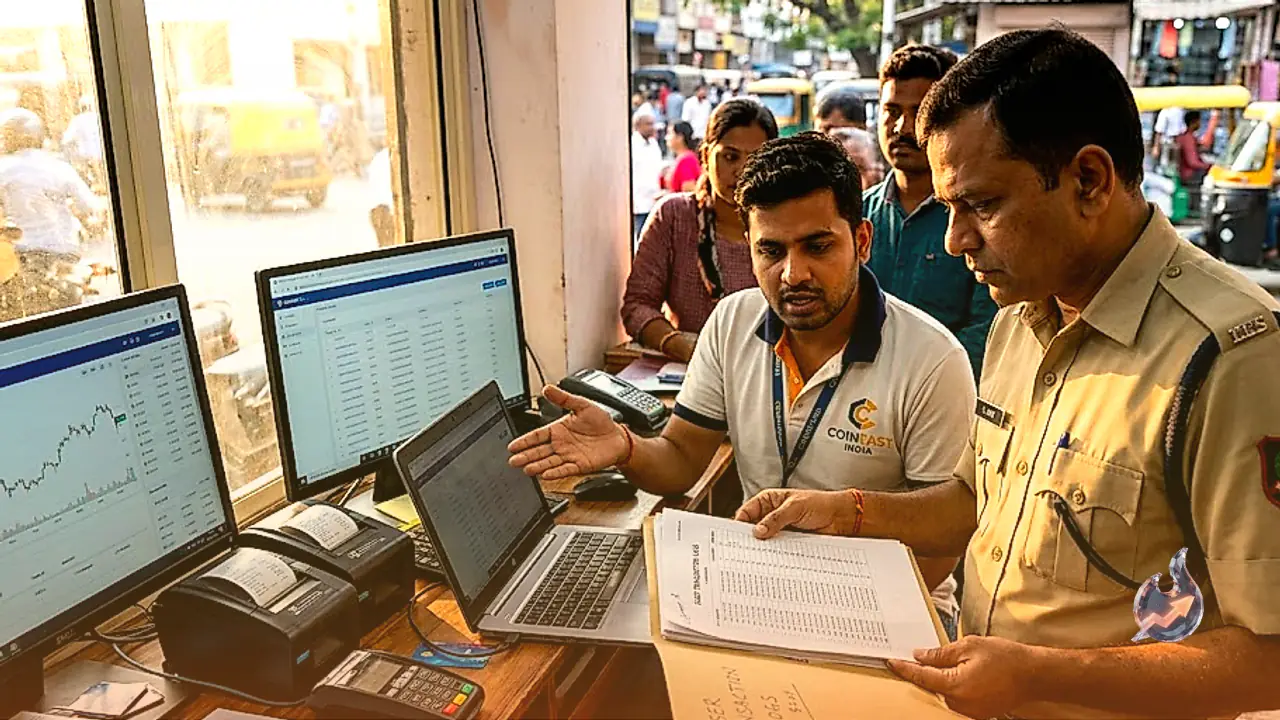

If you invest in Bitcoin, Ethereum, or any other digital asset, you now need to exercise far greater caution. The government has taken a major step toward tightening oversight on virtual currency transactions. The Central Board of Direct Taxes (CBDT) has issued a comprehensive new guidance note under which crypto exchanges and related platforms will now submit investor transaction data directly to the Income Tax Department. The primary objective of this move is to bring greater transparency to digital asset investments and effectively curb tax evasion.
How the New Framework and Reporting Obligations Work
According to the directives issued by the CBDT, all crypto exchanges and designated Reporting Crypto-Asset Service Providers (RCASP) must maintain meticulous records of customer transactions and furnish this information directly to tax authorities. This system is being implemented under the Organisation for Economic Co-operation and Development (OECD) Crypto-Asset Reporting Framework (CARF), which aims to facilitate the seamless sharing of digital asset transaction data across participating nations.
What Responsibilities Are Placed on Crypto Exchanges
Under these updated regulations, exchanges are required to conduct thorough verifications of customer identity and tax residency. Additionally, they must securely store KYC details, complete transaction logs, and other essential documentation. Each year, platforms must share this compiled data with the Income Tax Department using a designated reporting format. In simple terms, crypto exchanges are now transitioning into reporting institutions akin to traditional commercial banks, directly accountable to tax administrators.
What Impact This Will Have on Regular Investors
While the implementation of these rules does not require average retail investors to fill out any entirely new forms, it significantly increases their personal responsibility. Investors must now maintain precise and orderly records of all their crypto holdings and transfers. Documents concerning purchases, sales, token transfers, and wallet movements must be safely archived so that the information declared in annual income tax returns perfectly matches the data held on exchange servers.
Why Government Concerns and Global Standards Led to This Step
Digital assets traditionally operate outside legacy banking and financial systems, making regulatory monitoring inherently difficult. The government believes that this structural gap has allowed numerous transactions to slip past tax authorities unnoticed. To tackle this challenge head-on, India has adopted the CARF framework in collaboration with the G20 and the OECD. Under this global arrangement, automatic exchange of information regarding digital asset transactions between participating countries is expected to commence starting in 2027.
Concealing Digital Asset Transactions Becomes Nearly Impossible
Following the enforcement of these stringent rules, it will become exceptionally difficult for crypto market participants to conceal their trading activities. Consequently, individuals active in the digital currency space are strongly advised to file their income tax returns accurately and on time while preserving all transaction histories. Maintaining meticulous financial logs is now essential to ensure complete compliance with evolving tax mandates.