
























Pigeon pea, commonly known as Arhar, serves as a crucial cash crop for farmers across Palamu. The region is widely recognized for producing high-quality Arhar known for its unique flavor, which makes it a major source of income for local agriculturists. However, the cultivation process often faces a severe threat that can transform a profitable harvest into a financial disaster: the wilt disease, locally known as Ukhtha. Failing to manage this disease in time can lead to catastrophic losses in crop production, directly impacting the livelihood of farmers.
Increased Vulnerability During Flowering
Agricultural scientist Dr. Dilip Pandey explains that the prevalence of wilt disease becomes most critical during the flowering stage of the Arhar crop. During this phase, plants suddenly begin to wilt and gradually dry up completely, ultimately dying. This condition is primarily triggered by a fungal infection dwelling in the soil. Once the infection takes hold, it attacks the roots of the plants, effectively cutting off the supply of nutrients and causing the plants to collapse.
Seed Treatment as a Protective Shield
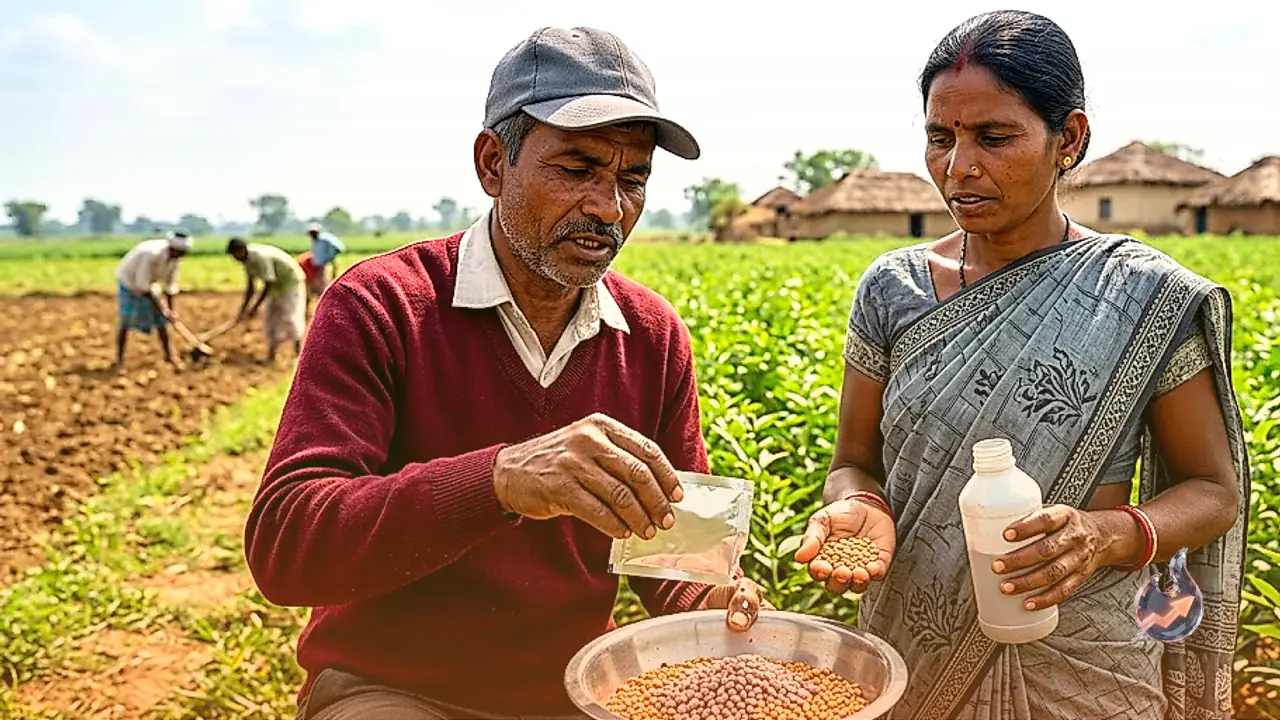
The most effective strategy to mitigate the impact of wilt disease is ensuring that seeds are treated before sowing. Experts recommend that farmers mix two grams of Bavistin, chemically known as Carbendazim, per kilogram of seeds before planting. This simple seed treatment significantly suppresses fungal activity, allowing the plants to grow healthily from the very beginning. This low-cost intervention can save farmers from substantial losses, making it an essential practice for those involved in Arhar farming.
The Necessity of Crop Rotation
Dr. Pandey emphasizes that relying solely on chemical treatments is not sufficient if a field has been continuously affected by wilt disease for several years. In such cases, adopting a systematic crop rotation practice is considered more beneficial. Instead of planting Arhar in the same plot repeatedly, farmers should rotate to crops like maize, pearl millet (bajra), oilseeds, or other coarse cereals for at least three consecutive years. This natural strategy gradually reduces the concentration of pathogenic fungi in the soil, significantly lowering the risk of infection when Arhar is planted again in the future.
Boosting Yields Through Scientific Techniques
Integrating scientific methods like seed treatment, consistent crop rotation, and regular monitoring of fields allows farmers to exert effective control over wilt disease. This approach not only ensures the survival and safety of the crop but also leads to improvements in both production quantity and grain quality. In regions like Palamu, where Arhar holds a significant market reputation, adopting these expert-recommended techniques can empower farmers to achieve higher yields and substantially increase their annual profits.