




















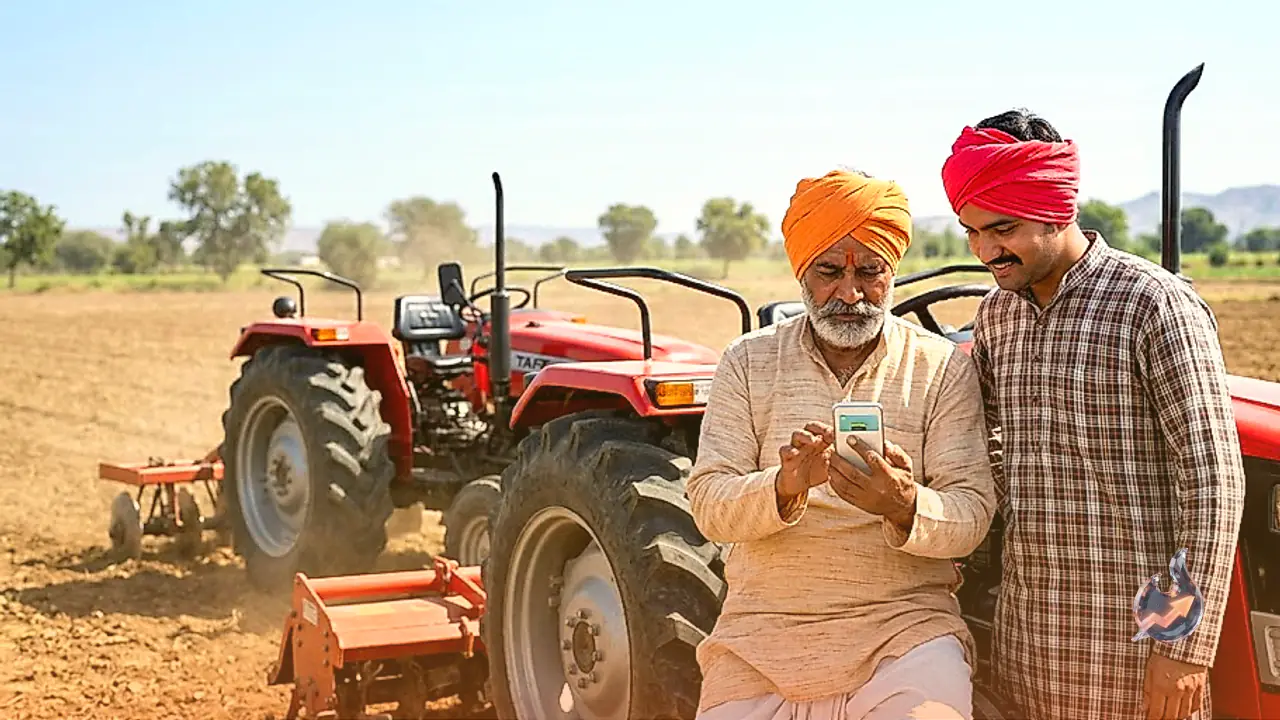

Small and marginal farmers across Rajasthan are on the verge of experiencing a significant transformation in how they access critical agricultural machinery. Recognizing that the steep purchasing costs of modern farming tools often trap cultivators in cycles of low productivity, the state government has pioneered a highly accessible mobile-based rental ecosystem. This digital leap means that farmers no longer need to exhaust their savings or take on heavy debt to buy expensive equipment. Instead, they can seamlessly book tractors, harvesters, and other essential implements directly from their mobile phones. This shift from ownership to access is designed to guarantee that even the most economically vulnerable farmers have the right tools exactly when they need them, eliminating massive upfront capital investments while modernizing traditional farming practices across the state.
Strategic Partnership with TAFE JFarm Services
The operational backbone of this sweeping initiative is a newly signed Memorandum of Understanding between the Rajasthan Agriculture Department and TAFE JFarm Services. Through this strategic agreement, the robust digital platform currently operated by JFarm will be comprehensively integrated into the state's existing official farmer interface, the Raj Kisan Sathi portal. This seamless technological integration is specifically structured to eliminate administrative friction. Farmers will be entirely spared the hassle of creating multiple accounts, remembering different passwords, or navigating fragmented websites. By consolidating these services, a single, unified digital portal will serve as the ultimate destination for everything related to agricultural machinery, offering real-time data on equipment availability, detailed specifications, and instant booking capabilities.
The scope of the machinery available through this integrated system covers the entire agricultural lifecycle. Whether a farmer is preparing the land for initial ploughing, executing precise seed sowing, managing mid-season weeding and hoeing, or handling the demanding tasks of final harvesting and post-harvest processing, the appropriate heavy machinery will be just a few screen taps away. In a crucial policy decision aimed at maximizing adoption, the state government has firmly mandated that absolutely no additional service charges or hidden convenience fees will be levied on the farmers for utilizing this digital booking gateway. This zero-fee structure is instrumental in ensuring that cutting-edge agricultural technology remains within the financial grasp of smallholders who might otherwise be priced out of mechanization.
Establishing a Transparent and Efficient Network
The systemic improvements brought about by this digitization are profound. Shivjiram Kataria, Joint Director of the Agriculture Department, elaborated that once the JFarm platform achieves full linkage with the Raj Kisan Sathi portal, the mandatory registration of all agricultural machinery will also migrate to this centralized system. This regulatory shift will populate the platform with a verified, geographically accurate database, granting farmers an unprecedented, clear view of all the available tractors and modern implements physically located within their immediate vicinity. This technological enhancement is also expected to significantly curb issues related to arbitrary rental pricing and local equipment monopolies.
By rendering the availability and booking process entirely transparent, this digital overhaul is projected to save the farming community a massive amount of valuable time. The traditional, ad-hoc methods of physically traveling from village to village to secure rental machinery will be rendered obsolete. Instead, farmers will gain the ability to strategically plan their crucial seasonal activities well in advance, securing their tools exactly when the weather and soil conditions are optimal. This overarching digital network will effectively interconnect existing Custom Hiring Centers, independent private tractor owners, and formalized Farmer Producer Organizations into one cohesive, state-wide agricultural grid, ensuring maximum utilization of available resources.
Driving Rural Income and Expanding Local Infrastructure
This shared economic infrastructure is deliberately engineered to generate a mutually beneficial environment for the entire rural economy. Cultivators who lack the capital to purchase their own heavy machinery can effortlessly rent what they need from nearby sources, drastically cutting their operational overhead. Conversely, private equipment owners and local cooperatives gain a highly visible, structured channel to monetize their idle assets, thereby creating a reliable stream of supplementary income through organized rentals. This dynamic will simultaneously generate new indirect employment opportunities within the rural landscape.
To guarantee that the benefits of this service permeate every remote corner of Rajasthan, the Agriculture Department has formulated a targeted expansion strategy for underserved regions. Gram Seva Sahakari Samitis that presently operate without dedicated Custom Hiring Centers will become the focus of a new infrastructure push. Through dynamic collaborations involving cooperative institutions and various private sector firms, new rental hubs will be rapidly established in these localized areas. These village-level centers will be comprehensively stocked with vital machinery, including powerful tractors, precision seed drills, heavy-duty rotavators, crop reapers, and large-scale harvesters. This localized availability completely neutralizes the logistical nightmare of farmers having to transport heavy equipment from distant urban centers.
Underscoring the urgency of this transformation, Manju Rajpal, Commissioner of Agriculture and Horticulture, has officially directed department officials to swiftly finalize the detailed operational guidelines and push the project into its active implementation phase. This decisive administrative momentum is widely anticipated to drastically accelerate the pace of agricultural mechanization across Rajasthan. By simplifying machinery access, optimizing farming schedules, and driving down the cost of technological adoption, the state aims to structurally boost crop yields and sustainably elevate the net income of its small and marginal farming communities.