



















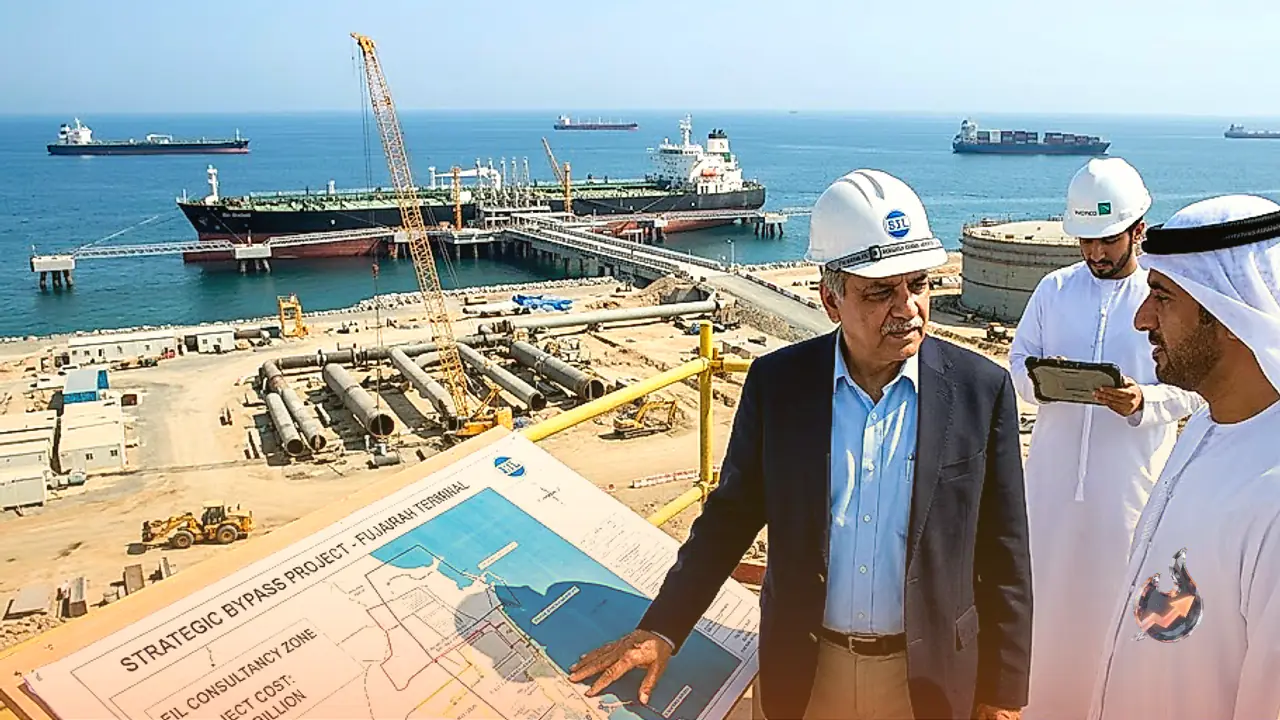

In an effort to shield global petroleum supply chains from regional turmoil, Saudi Arabia and the United Arab Emirates are pursuing alternative export routes to bypass the volatile Strait of Hormuz. The two Gulf energy heavyweights are laying the groundwork for approximately $1 billion in oil and gas infrastructure to minimize operational bottlenecks. India's state-owned engineering consultancy firm, Engineers India Limited, has entered early-stage discussions with both nations to secure project consultancy and feasibility study contracts for these upcoming developments.
Shipping Disruptions Drive Search for Alternative Transit
The strategic Strait of Hormuz, universally recognized as one of the world's most critical maritime corridors for oil transit, has seen significant commercial disruption due to ongoing hostilities between Iran and the United States. Confronted with the prospect of extended transit volatility, Gulf producers are reevaluating their logistics networks. Rather than staying exposed to a single maritime chokepoint, regional authorities are prioritizing diversified transit corridors to ensure crude oil and refined petroleum products can reach international buyers uninterrupted.
$1 Billion Outlay for Pipelines and Storage Facilities
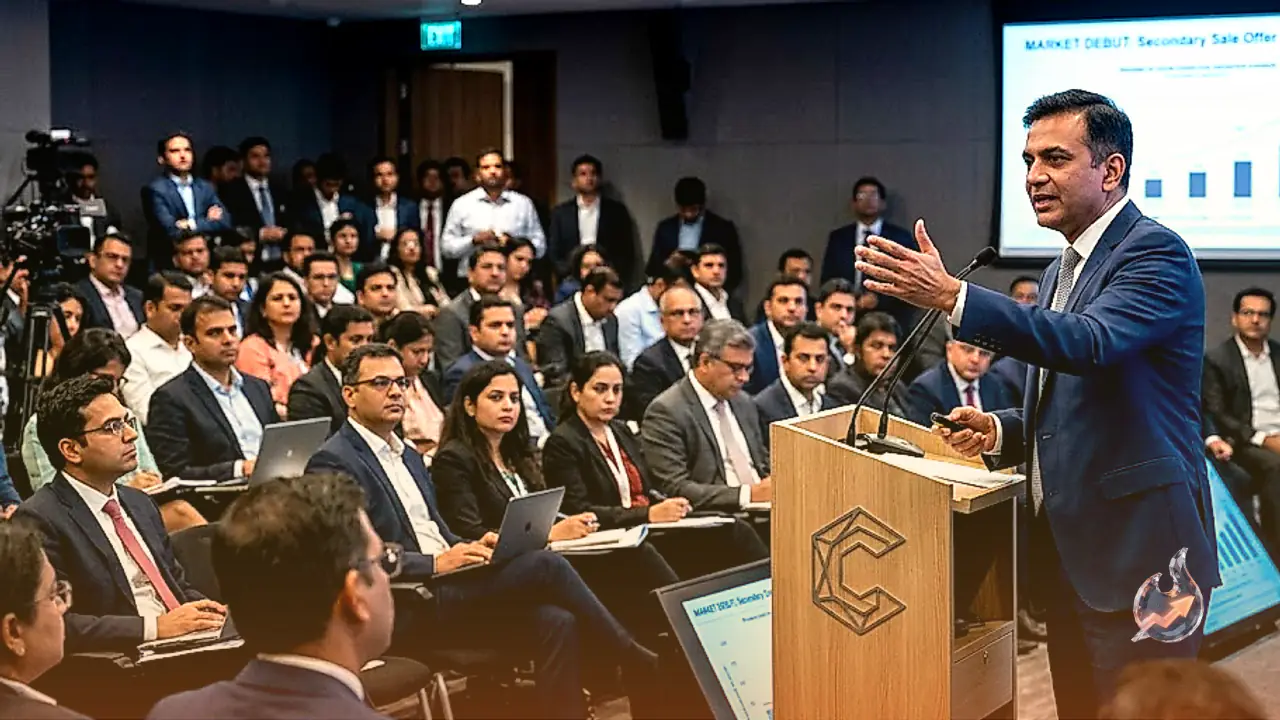
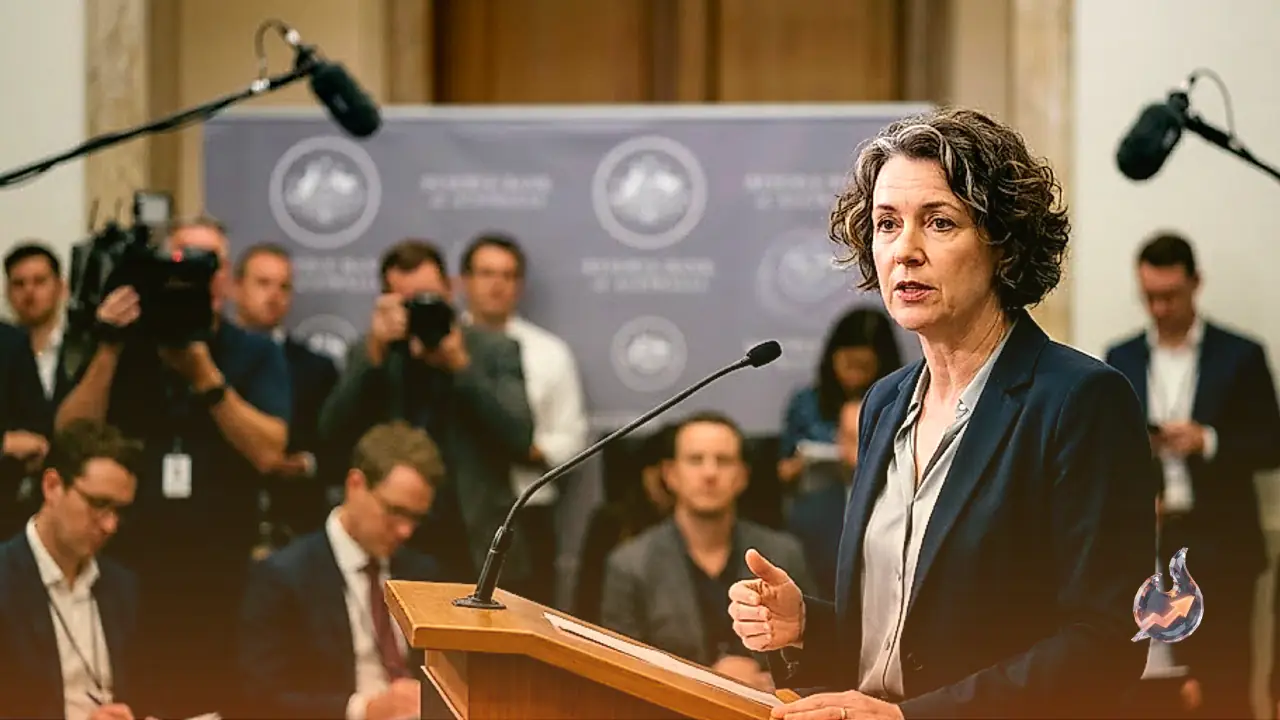
Providing details following the company's annual general meeting, Engineers India Limited Chairman and Managing Director Atul Gupta noted that the planned investment of roughly $1 billion by Saudi Arabia and the UAE will target key midstream assets. The capital expenditure aims to fund extensive pipeline corridors, modern storage facilities, crude loading terminals, and supporting industrial installations. Gupta explained that the Gulf partners are currently in the project conceptualization phase, with EIL actively holding dialogue at this formative stage to capture feasibility assessments and technical advisory assignments.
Contract Momentum and Shifting Geopolitical Dynamics
The geopolitical friction across the Middle East has temporarily dampened the flow of fresh commercial engineering awards. While Gupta acknowledged that the intake pace of regional contracts has moderated recently, he projected a marked acceleration in contract awards during the third and fourth quarters. He pointed out that the current security climate also creates counterbalancing industrial demand, as Gulf energy exporters are compelled to build redundant logistical systems to protect their core export revenues.
International Projects Expand EIL Portfolio
Global contracts have emerged as an indispensable growth driver for Engineers India Limited, with overseas work currently accounting for roughly 43 percent of the company's total order book. During the 2025-26 fiscal year, overseas consultancy mandates contributed approximately 62 percent of all newly secured business, translating to an intake value of roughly Rs 4,929 crore. EIL maintains a deep commercial footprint across the Middle East, executing major initiatives across Saudi Arabia, the UAE, Bahrain, and Kuwait, bolstered by a dedicated operational office in Saudi Arabia.