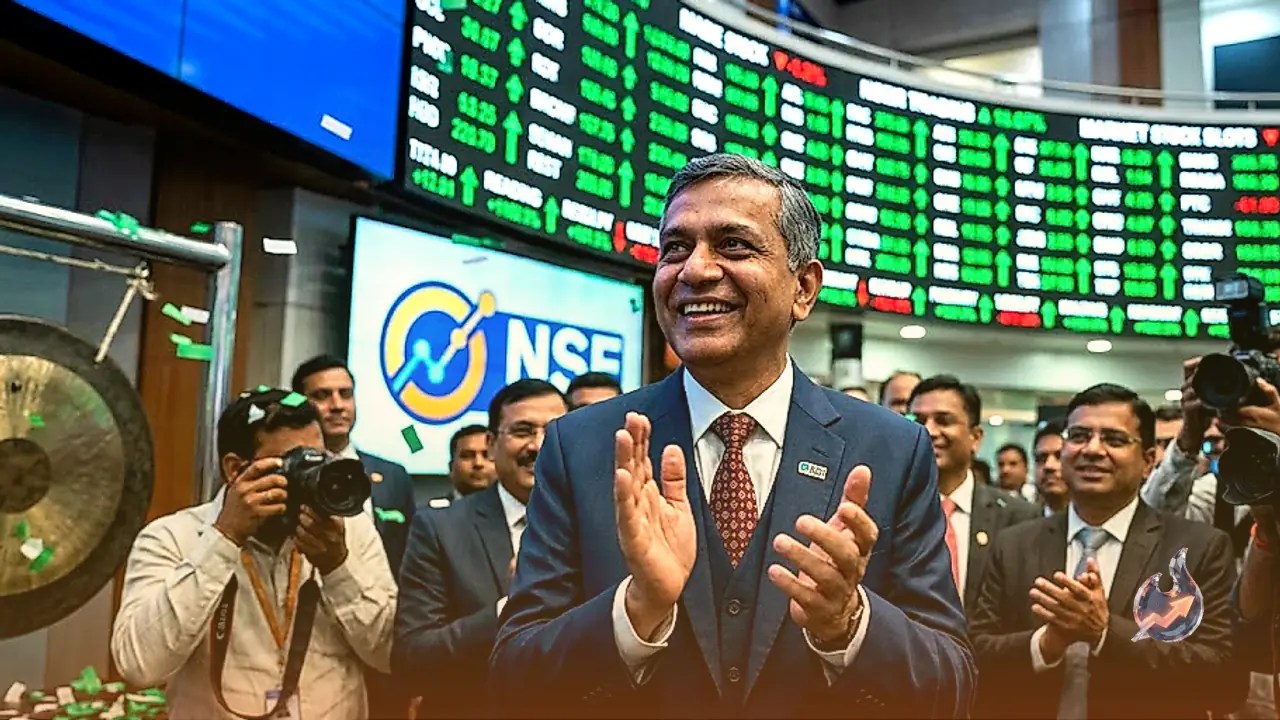
























Digital insurance platform Turtlemint Fintech Solutions witnessed a bleak opening on the domestic stock exchanges, delivering immediate losses to investors who secured allotment in the initial share sale. The company's equity shares commenced trading on Monday at a steep discount of more than 11% against the issue price of Rs 152. Selling pressure emerged right from the opening bell, dealing a sharp blow to market participants who had anticipated listing gains.
Share Price Slips Further Following Discounted Exchange Openings
On the BSE, equity shares of Turtlemint Fintech Solutions debuted at Rs 136.20 apiece, representing a drop of 10.39% from the issue price of Rs 152. The downside did not stop at the opening bell, as persistent selling dragged the counter down by 13% to touch an intraday low of Rs 132.15. Trading on the NSE mirrored this weakness, where the stock opened at Rs 134.90, translating to a steep decline of 11.25% below the allotment price. At these listing valuation levels, the overall market capitalization of the firm stood at Rs 4,069.70 crore.
Public Issue Mobilised Rs 883 Crore in June
The public issue opened for bidding on June 19 and closed on June 23. Turtlemint Fintech had set a price band of Rs 144 to Rs 152 per equity share with a face value of Rs 1 each, ultimately executing share allotments at the upper ceiling of Rs 152. Through this capital raising exercise, the enterprise mobilized a total of Rs 883 crore from institutional, non-institutional, and retail investors.
Weak Subscription Demand Weighed on Debut Sentiments
Under the offering, a total of 5,80,70,398 equity shares were offloaded. This comprised a fresh issue component of 4,34,68,552 equity shares worth Rs 661 crore, alongside an offer for sale totaling 1,46,01,846 shares valued at Rs 222 crore tendered by company promoters. Market reception during the bidding phase was lukewarm, which culminated in the weak listing day showing. Cumulative subscription data showed the offering scraped through with an overall subscription rate of just 1.20 times. Tepid institutional and retail appetite during the bidding window left the stock vulnerable to immediate offloading once trading commenced.