






















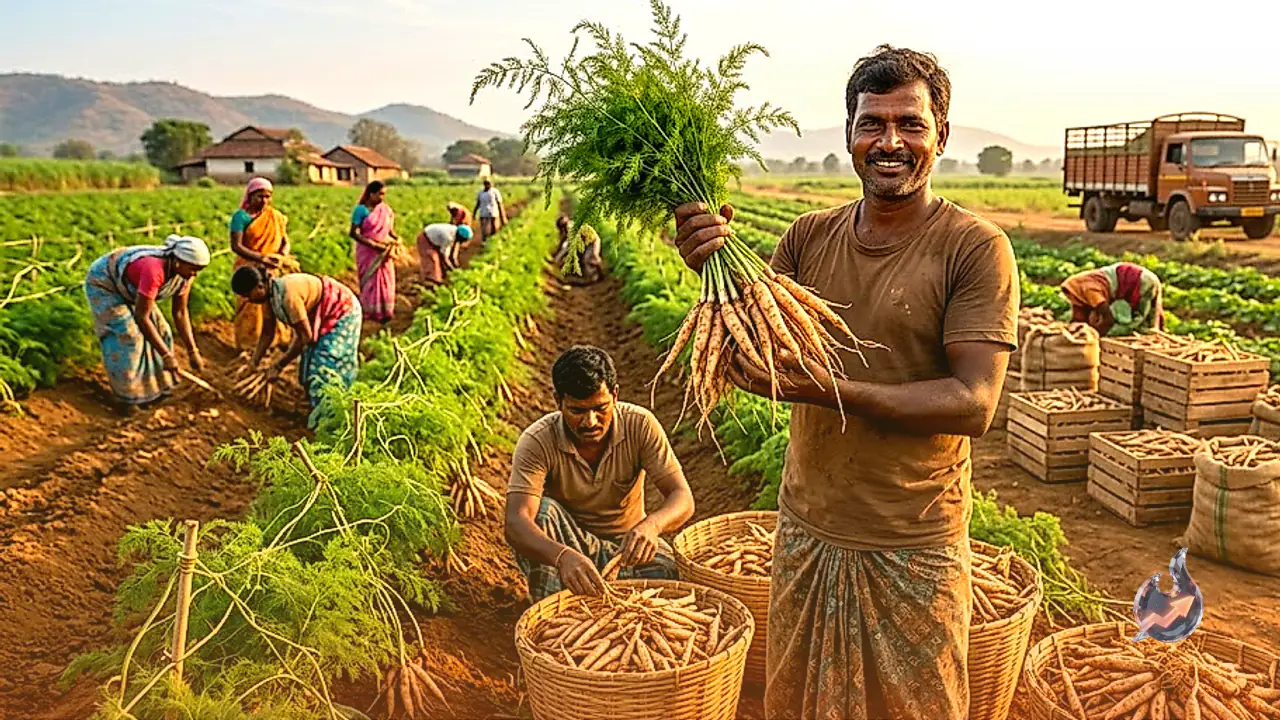

With the onset of the rainy season, farmers across the country are planning their upcoming crop cycles. While many tend to stick to conventional agricultural practices, those looking for higher returns with lower investments should consider the cultivation of Shatavari, also known as wild asparagus. This crop is gaining rapid popularity among farmers for its ability to deliver substantial profits. The demand for this medicinal plant now spans far beyond local markets, reaching international buyers who value its health benefits.
High Demand for Medicinal Use
Shatavari is an essential medicinal plant used extensively in the pharmaceutical industry. Whether it is traditional Ayurvedic medicines or modern medical formulations, the roots of this plant are highly sought after. It is particularly valued in the production of health tonics and immunity-boosting medications for women. Consequently, major pharmaceutical companies are actively purchasing this crop at premium prices, ensuring a stable market for growers.
Optimal Planting and Soil Conditions
According to agricultural advisor Navneet Revapati, the period between July and September is ideal for planting Shatavari. One of the primary advantages of this crop is its low-maintenance nature. It thrives well in sandy or loamy soils. However, farmers must ensure that their fields have adequate drainage, as waterlogging is detrimental to the plant and can lead to crop failure.
Ease of Maintenance and Protection
Compared to other commercial crops, Shatavari is relatively easy to manage. The requirement for expensive pesticides is minimal, and the risk of disease is significantly lower. Because the plant is thorny, it naturally resists damage from wild animals or livestock, saving farmers the extra cost of fencing or constant guarding. Routine activities like light irrigation and regular weeding are generally sufficient to ensure a healthy harvest.
Yields and Financial Returns
The growth cycle of Shatavari is approximately 18 months, requiring a bit of patience. Once the crop reaches maturity, the roots are harvested and dried, which is where the real value lies. An average yield can range between 20 and 25 quintals per acre. With market prices fluctuating between 20,000 and 30,000 rupees per quintal, a farmer can easily earn between 5 and 6 lakh rupees from a single acre of land. While initial costs for seeds, fertilizers, and labor exist, the final profit margin is exponentially higher than the initial investment.
A Long-Term Financial Asset
Many in the agricultural community refer to Shatavari farming as a 'Fixed Deposit' of the soil. The risk factor is remarkably low, and the returns are consistent. As the global demand for high-quality medicinal herbs grows, the future for this crop appears even more promising. By combining proper technical knowledge with a little patience, farmers can use this crop as a powerful tool to increase their income and achieve long-term financial stability.