





















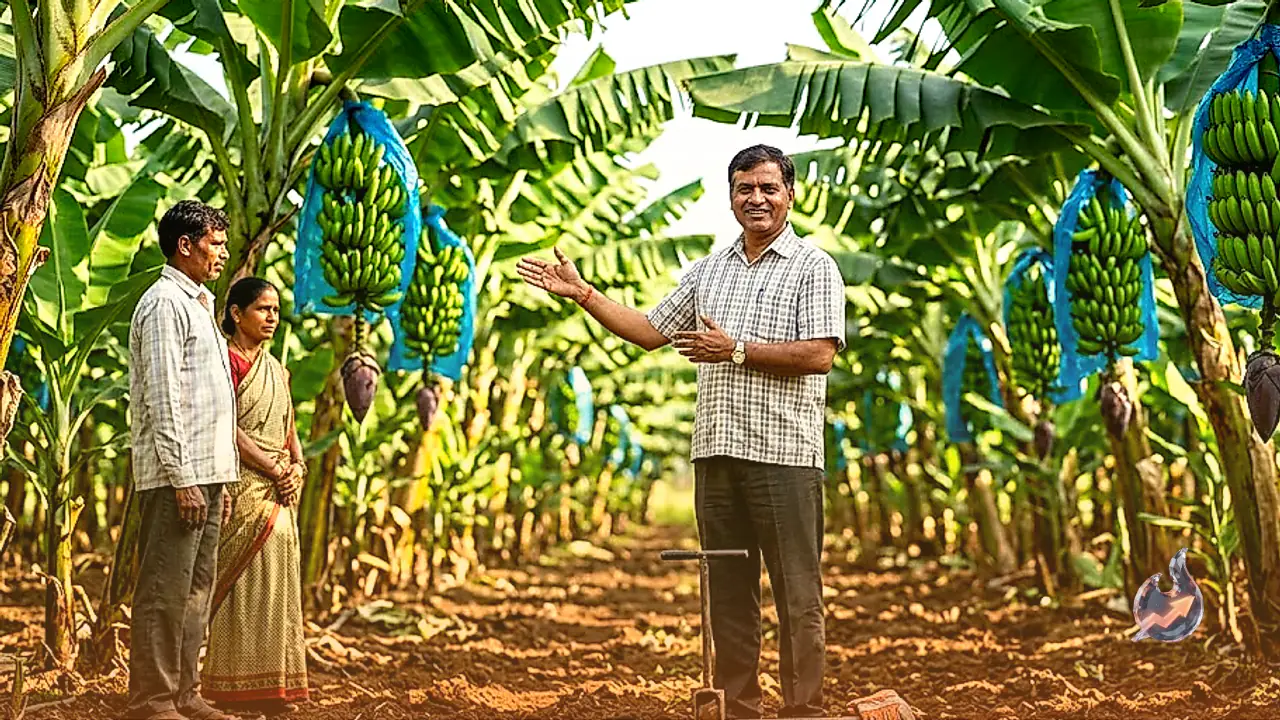

Farmers in Amethi are increasingly diversifying away from conventional crops such as wheat and rice, turning their focus toward cultivation methods that offer higher financial returns in a shorter span of time. Banana farming has emerged as a particularly popular and profitable choice in this agricultural shift. However, many farmers inadvertently make errors during the planting process or pre-cultivation phase, which can lead to significant crop failure and financial losses. According to agricultural experts, adhering to a few essential technical guidelines is the fundamental secret to turning banana cultivation into a highly successful and profitable venture.
Preparation and the Significance of Soil Testing
The journey toward successful banana farming begins with field preparation, which should ideally start at least 6 months before the actual planting. The most crucial component of this phase is conducting a thorough soil test. By testing the soil in a certified laboratory, farmers can ascertain whether their land is suitable for banana production. These tests reveal the concentration of vital nutrients, including nitrogen, phosphorus, carbon, and oxygen, allowing farmers to tailor their fertilization strategies precisely to the soil's needs.
Prioritizing Organic Manure
To sustain long-term soil health, it is strongly advised to minimize the use of harsh synthetic fertilizers. Instead, farmers should prioritize the application of cow dung manure, vermicompost, or other organic fertilizers. Utilizing organic matter keeps the soil fertile and promotes robust plant development, which is essential for yielding high-quality fruit.
The Importance of Scientific Spacing
A common mistake observed in the field is planting banana saplings too close to one another. This restricts the growth of the plants as they mature, causing them to collide and compete for resources, which ultimately stunts their growth and leads to reduced yield. Experts recommend maintaining a distance of approximately 4 to 5 meters between each banana plant. Proper spacing ensures that every plant receives adequate sunlight and ventilation, which are critical factors in boosting overall productivity.
Irrigation Management and Government Support
During the intense summer months, the banana crop requires careful attention to hydration. Regular irrigation, at least once a week, is mandatory to support steady plant growth and ensure a successful harvest. Pramod Kumar Yadav, an Horticulture Inspector and agricultural expert, highlighted that the government provides substantial subsidies to support farmers in banana cultivation. Numerous progressive farmers across various tehsils of the district are already earning better incomes by utilizing these methods. The department regularly provides information to farmers regarding pest control, disease prevention, and scientific farming techniques. By strictly following these expert suggestions, farmers can significantly improve their profitability and ensure the success of their banana farms.