






















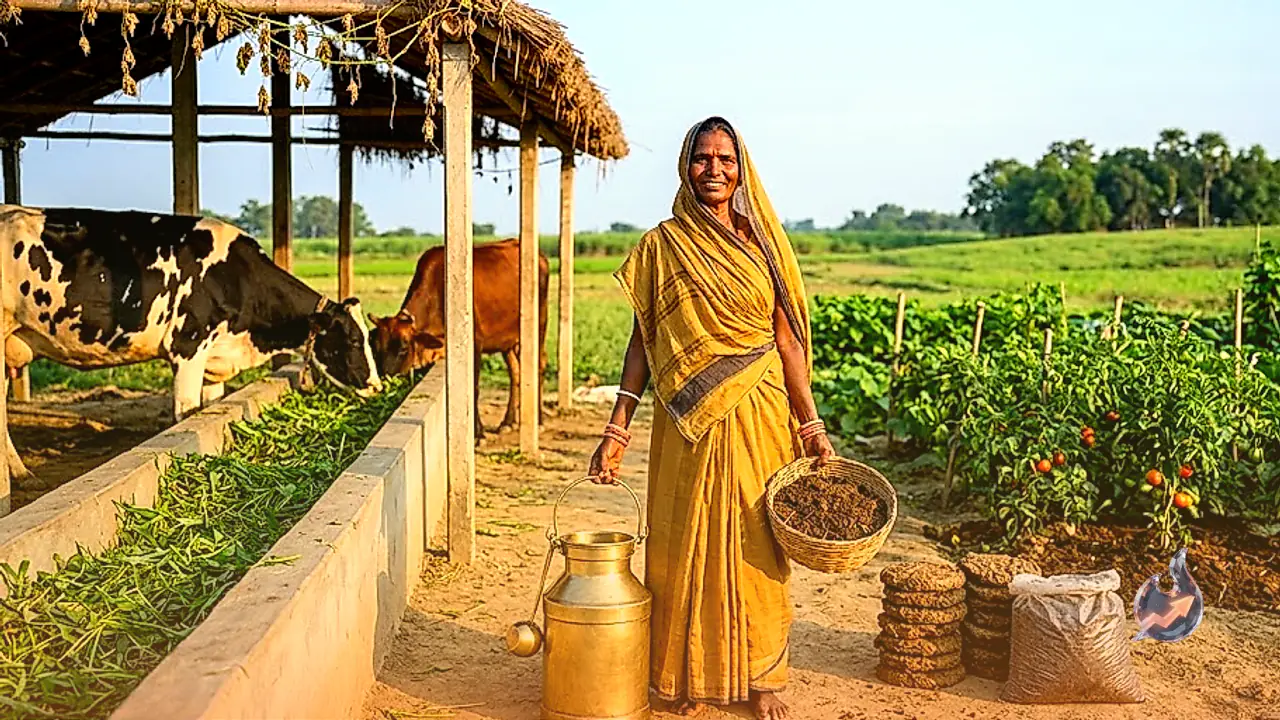

In the Sitamarhi district of Bihar, a rural entrepreneur named Samita Devi has crafted a remarkable success story through sheer dedication and strategic planning. She initiated her foray into animal husbandry with very modest means, successfully scaling it into a thriving dairy enterprise. The journey began in 2020 with the purchase of a single cow. Rather than spending the income generated from milk sales, she exercised strict financial discipline and saved her earnings, which eventually allowed her to acquire more cattle and expand her operations over time.
Scaling the Dairy Venture
Today, Samita Devi manages a total of four head of cattle, including two that are pregnant. She currently harvests milk from three cows, which is then sold directly in the local market. This steady supply of milk has ensured a consistent monthly income ranging between 16,000 and 22,000 rupees. This revenue has proven essential in managing her household expenses and providing a stable financial foundation for her family.
The Zero Waste Model
What sets Samita Devi's business apart is her adoption of a 'zero waste' model. Her income is not solely dependent on the sale of milk; she ensures that every byproduct of her dairy, specifically cow manure, is put to productive use. She processes the manure into organic fertilizer, which she applies to her vegetable farm. This practice has significantly reduced her reliance on chemical fertilizers and effectively lowered the input costs for her farming activities. Through this integrated approach, animal husbandry and agriculture have become mutually beneficial, creating an additional stream of income that continues to strengthen her economic position.
Future Aspirations and Government Support
Looking ahead, Samita Devi is focused on expanding her dairy operations even further. She is keen to associate herself with the Bihar government's Jeevika scheme to secure financial assistance and gain access to technical training. She believes that with the right support, she can increase her herd size and significantly boost milk production capacity. Her journey serves as a powerful testament for other women in rural communities, proving that with careful planning and utilization of local resources, traditional occupations like animal husbandry can be transformed into profitable and sustainable businesses.